There are a number of runestones at Skansen.


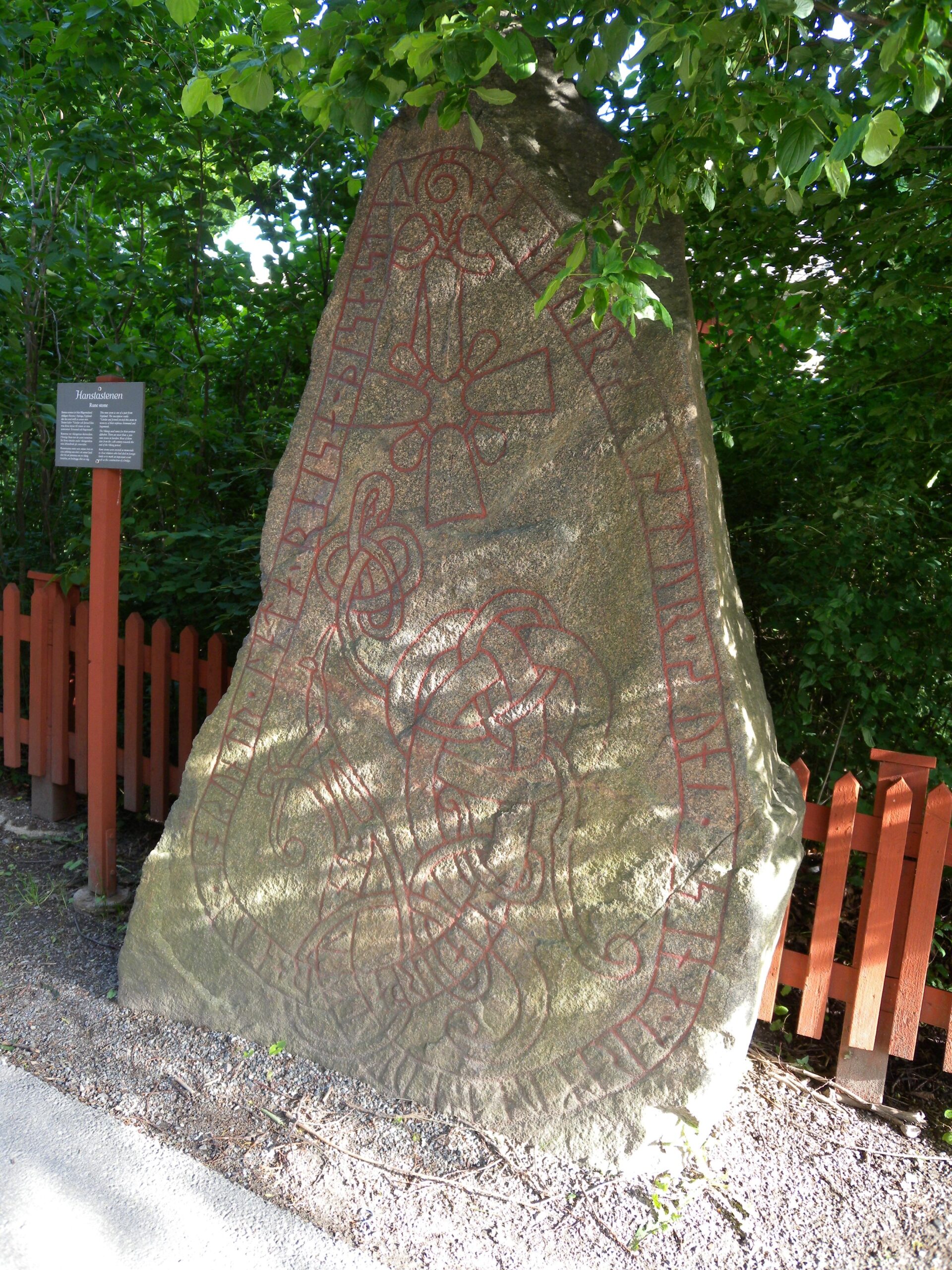

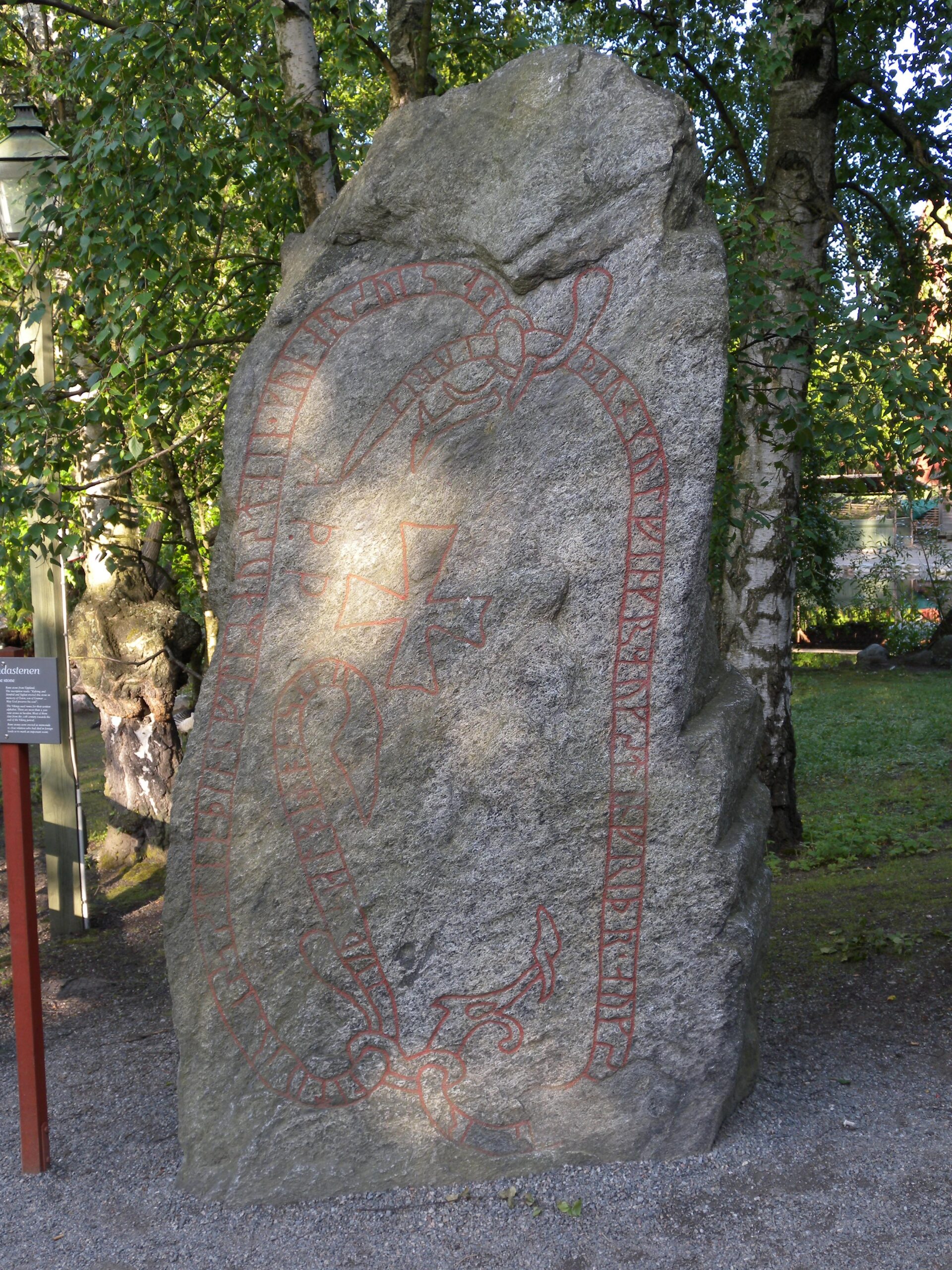

There are a number of runestones at Skansen.
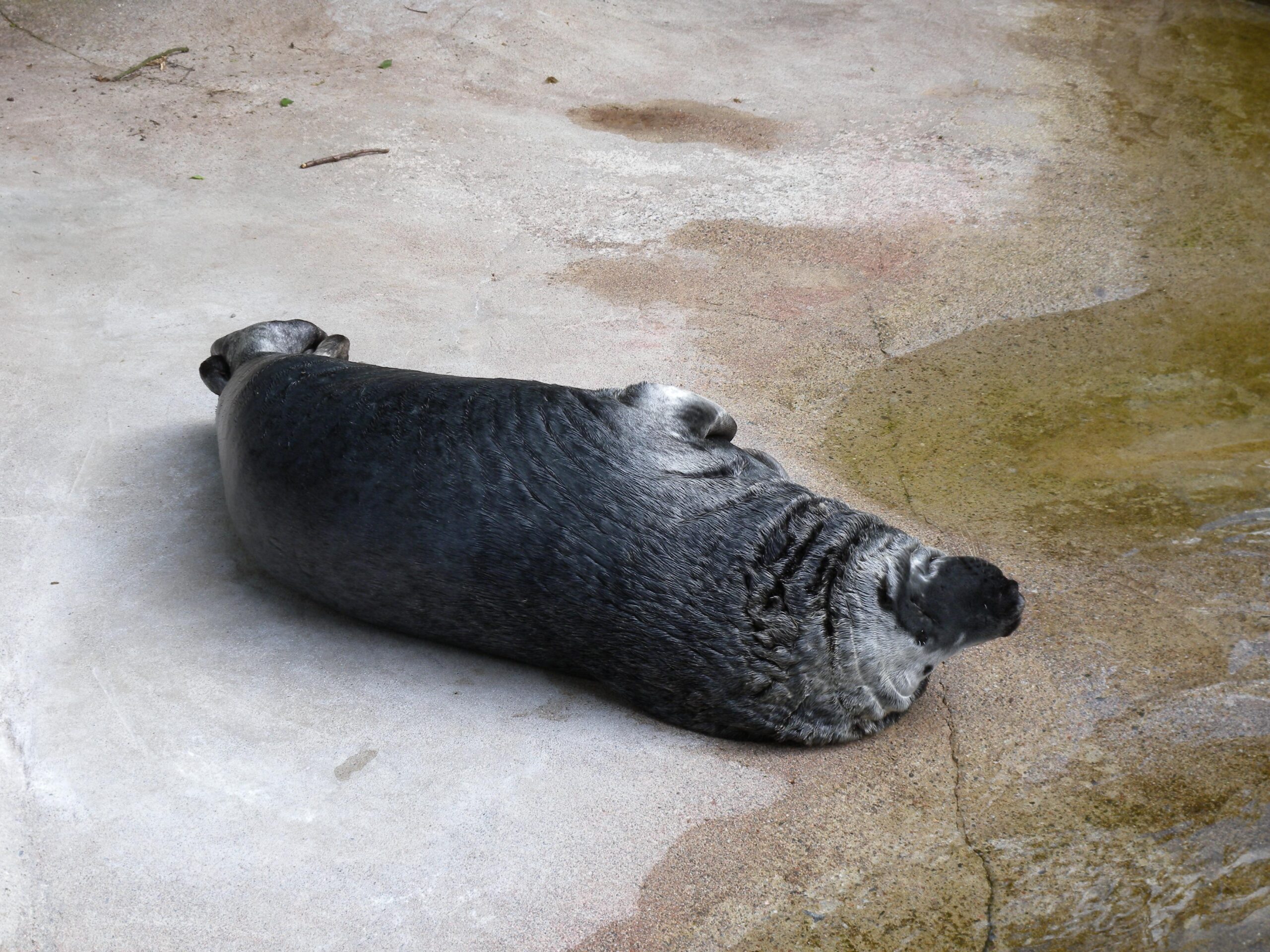
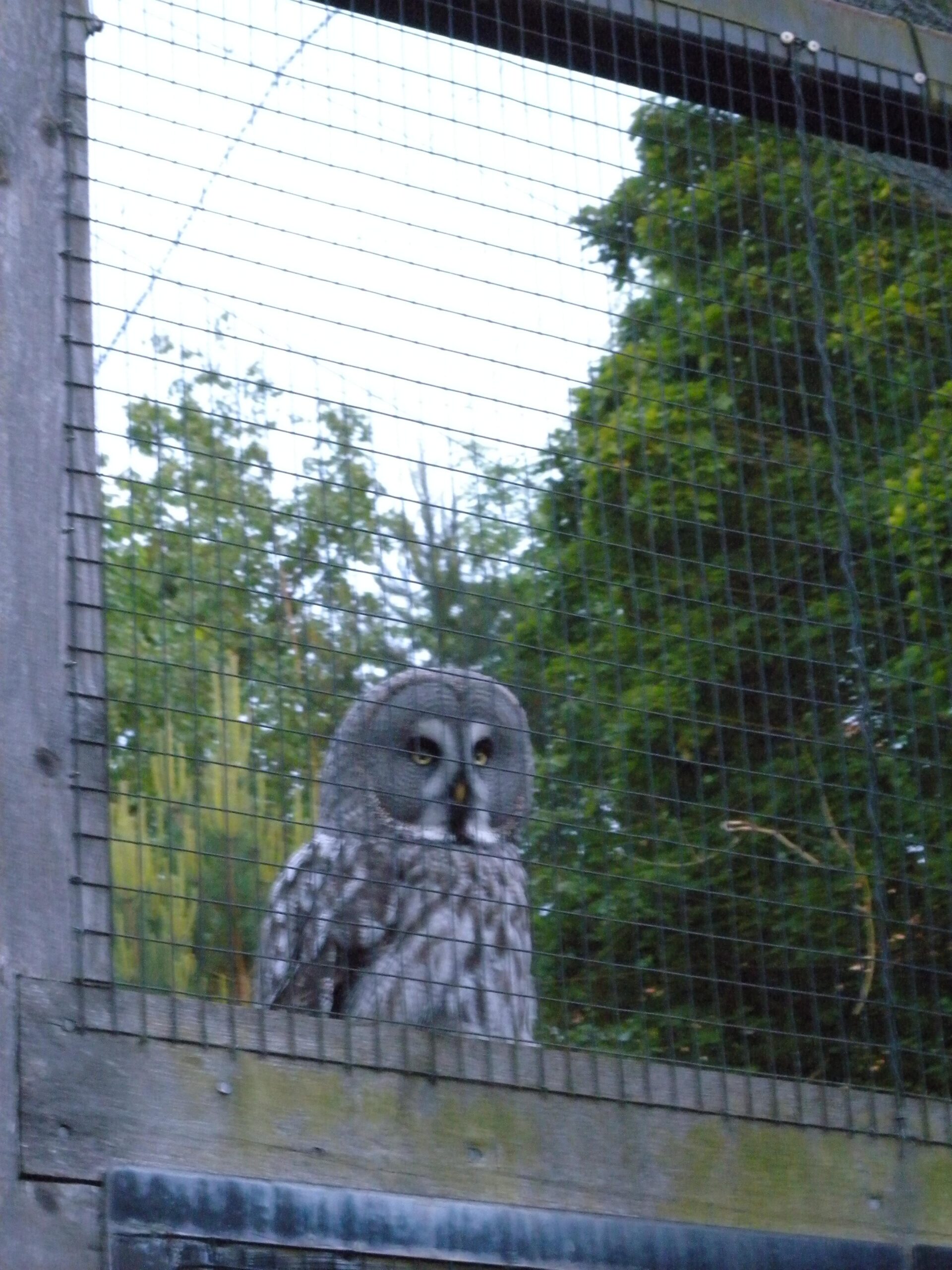
While the people were all off enjoying Midsummer we snuck off to see the animals. Its quite unusual to get to see them at dusk like that (midnight on midsummer isn’t dark in Stockholm).


[Audiobook]
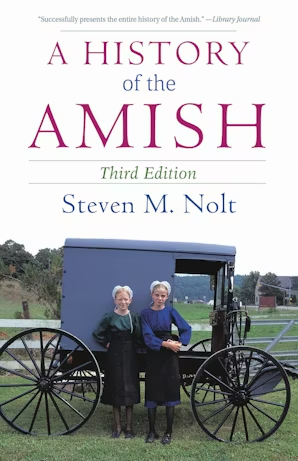
A history of the Amish by Steven M Nolt (available from archive.org)
A colleague told me about an Amish supermarket, which didn’t fit with my understanding of their culture. So wanting to find out some more I listened to this book. It contains a detailed history of the origins and migration of the Amish people. They are anabaptists, who believe strongly that baptism only counts if it is done by choice, so children do not formally join the church until they have chosen to.
From their split with the Mennonites in Switzerland through their punishment and exile from the Swiss hills to settle in southern Germany and the Netherlands, this book describes some of their significant historical moments.
Leaving their European brethren behind they emigrated to north America, where they settled along the east coast and inland somewhat to the mid-West, hoping to start a new, more pure, life.
The nature of their community, non-hierarchical, like terrorist cells, is loosely connected without a single leader, each locality having some elders and their own rules. Their meetings largely happening in the houses of members rather than in dedicated buildings – often followed by sharing food.
More recently, as technology has gripped the rest of the world, they have reconciled with the Mennonites, with whose beliefs they align better. There are still factions within these groups, old-order and new-order among others.
Their rejection of luxury does not imply a rejection of technology wholesale, but it does bring a considered approach and much of the modern world is seen as decadently luxurious.
As a people, they seem like good people, bamboozled by the modern world they may be, but that is not from anger or fear. I feel they embody some of the best of human spirit and have a deep respect for them and their way of life. It is not a way of life for me, I am a technologist, of sorts, and doubt that my mind would thrive in their world. I wish they could share their love with a world full of hate and find ears ready to listen to their message.
The book gives a lot of good details, as far as they are recorded, of the origins and spread of the Amish way of life, it is more than a faith. Given the dispersed nature of the community, it must have been difficult to gather this information, there is no one library to which to turn, you cannot go to Rome and know it all.
Many of the Skansen buildings were open for midsummer.



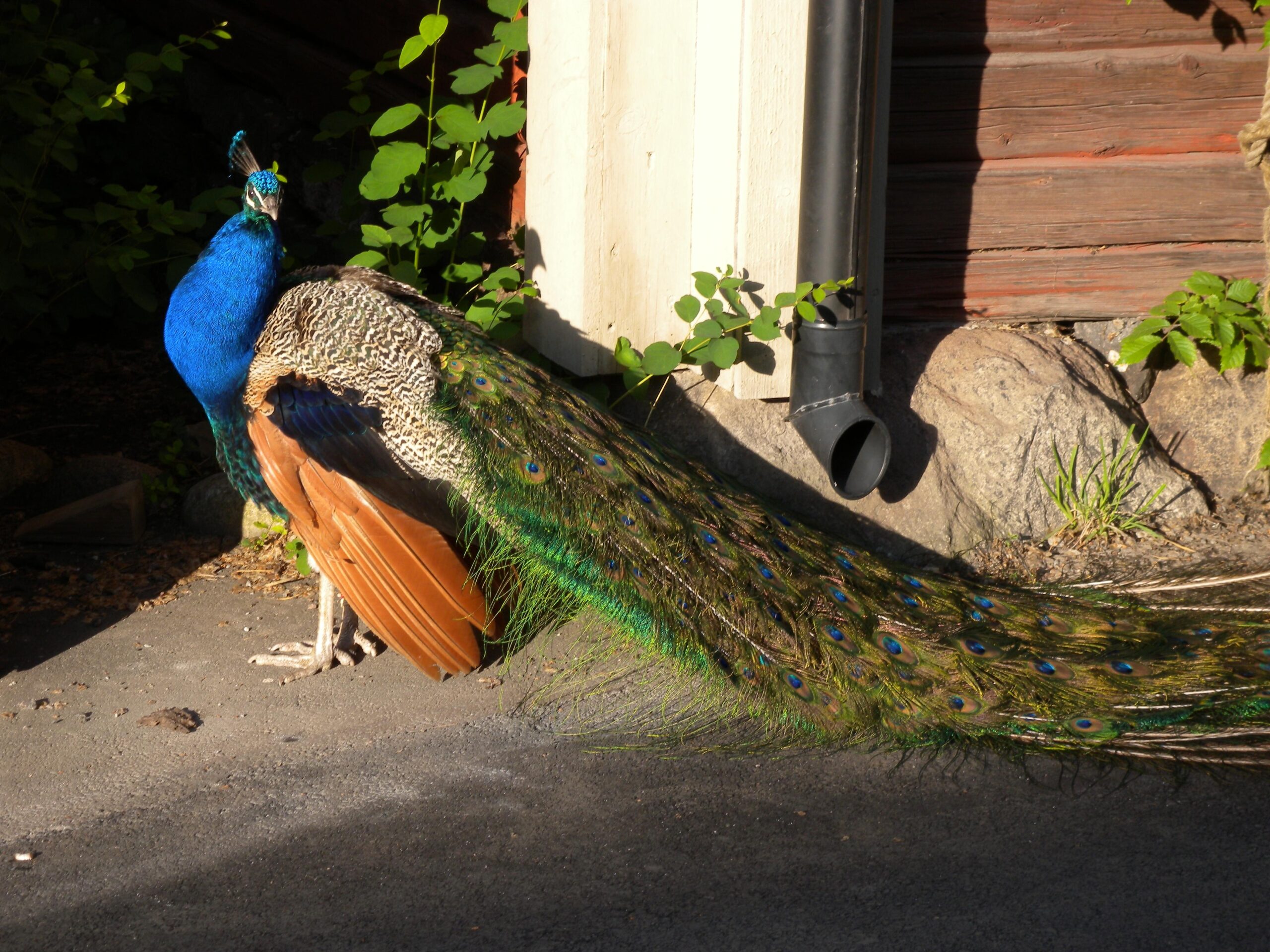
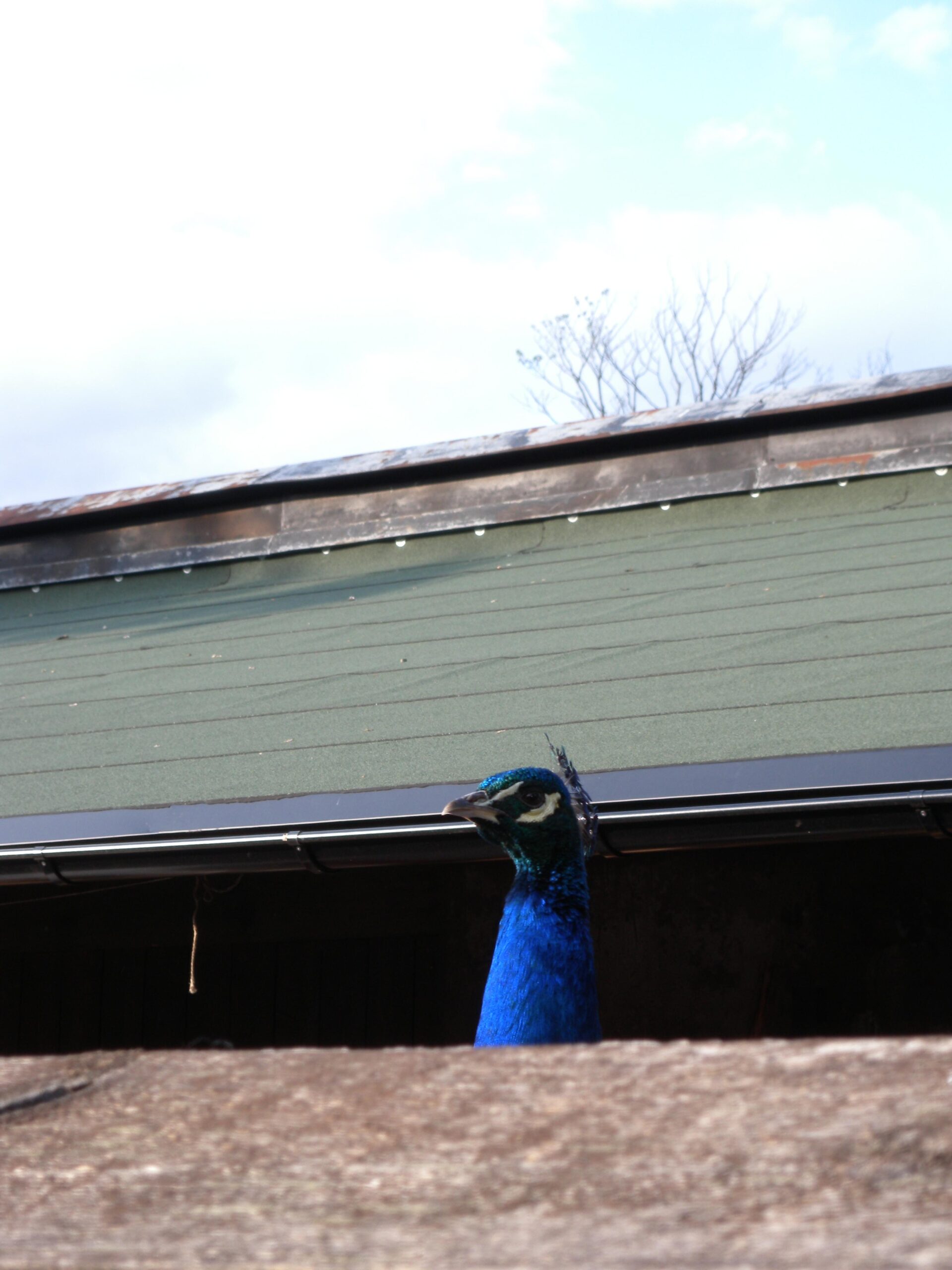
There are a number of peacocks at Skansen. They are such attention seekers.


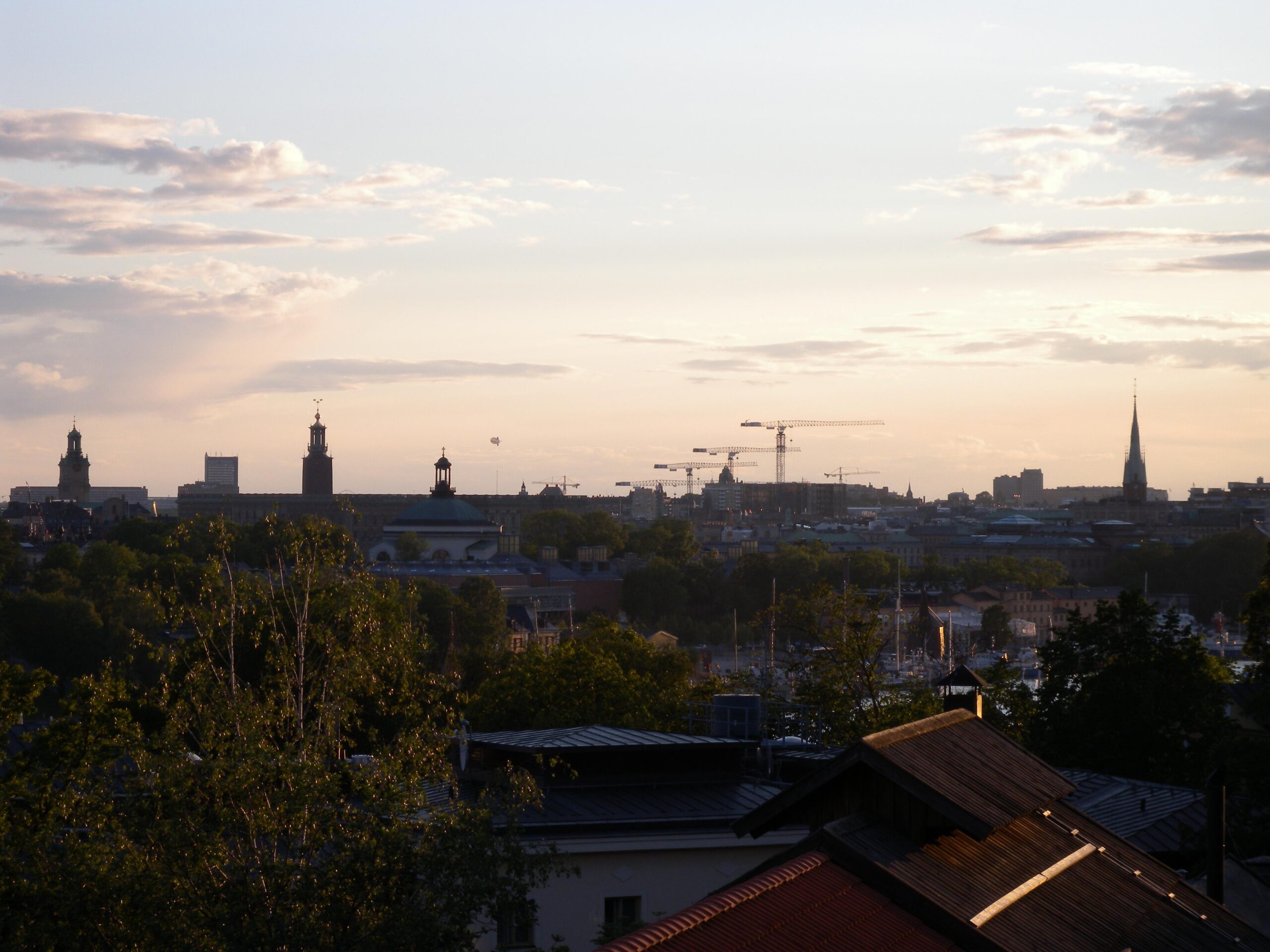
Looking out over the city from Skansen.


Wandering around Skansen at midsummer.


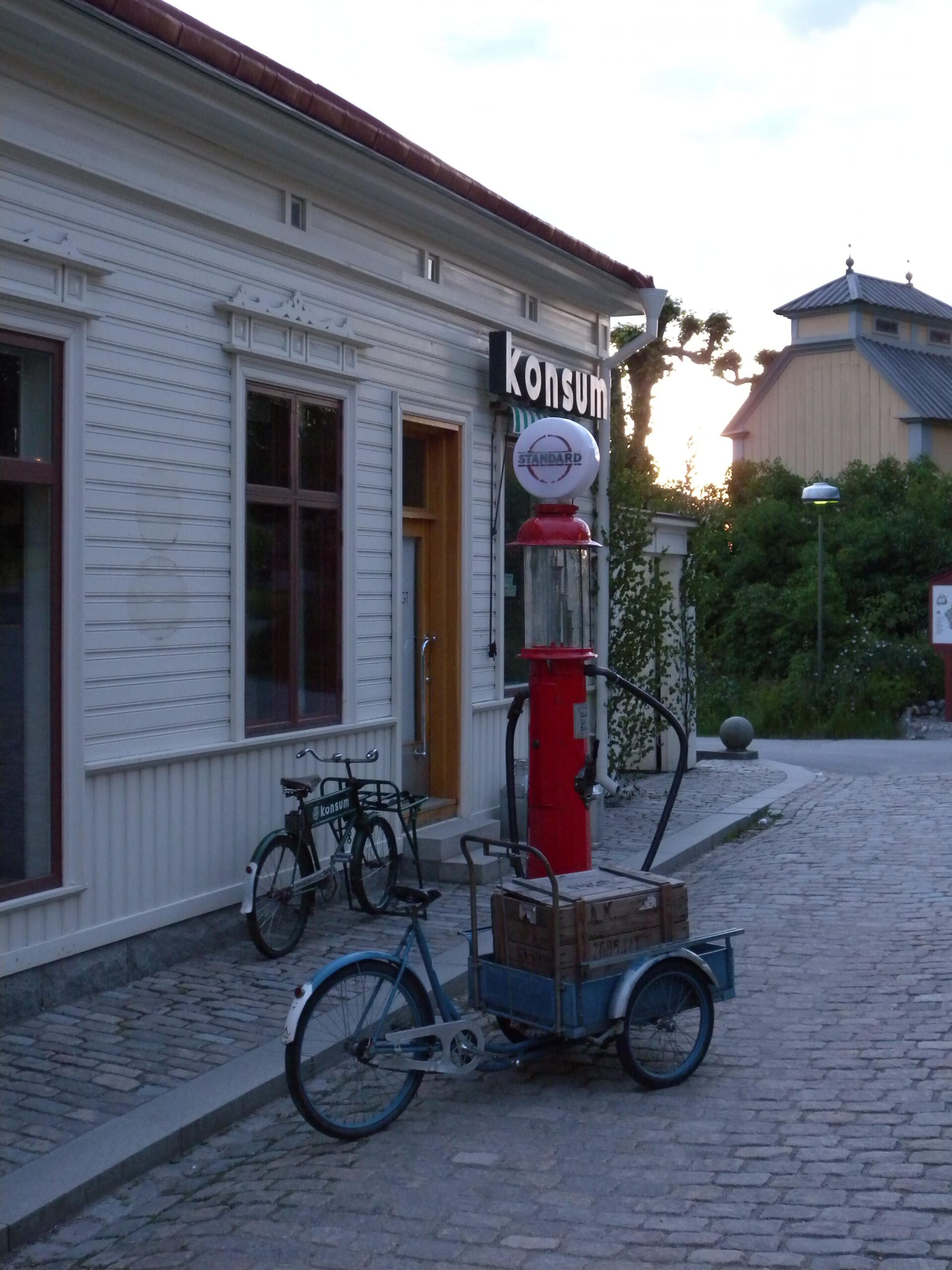
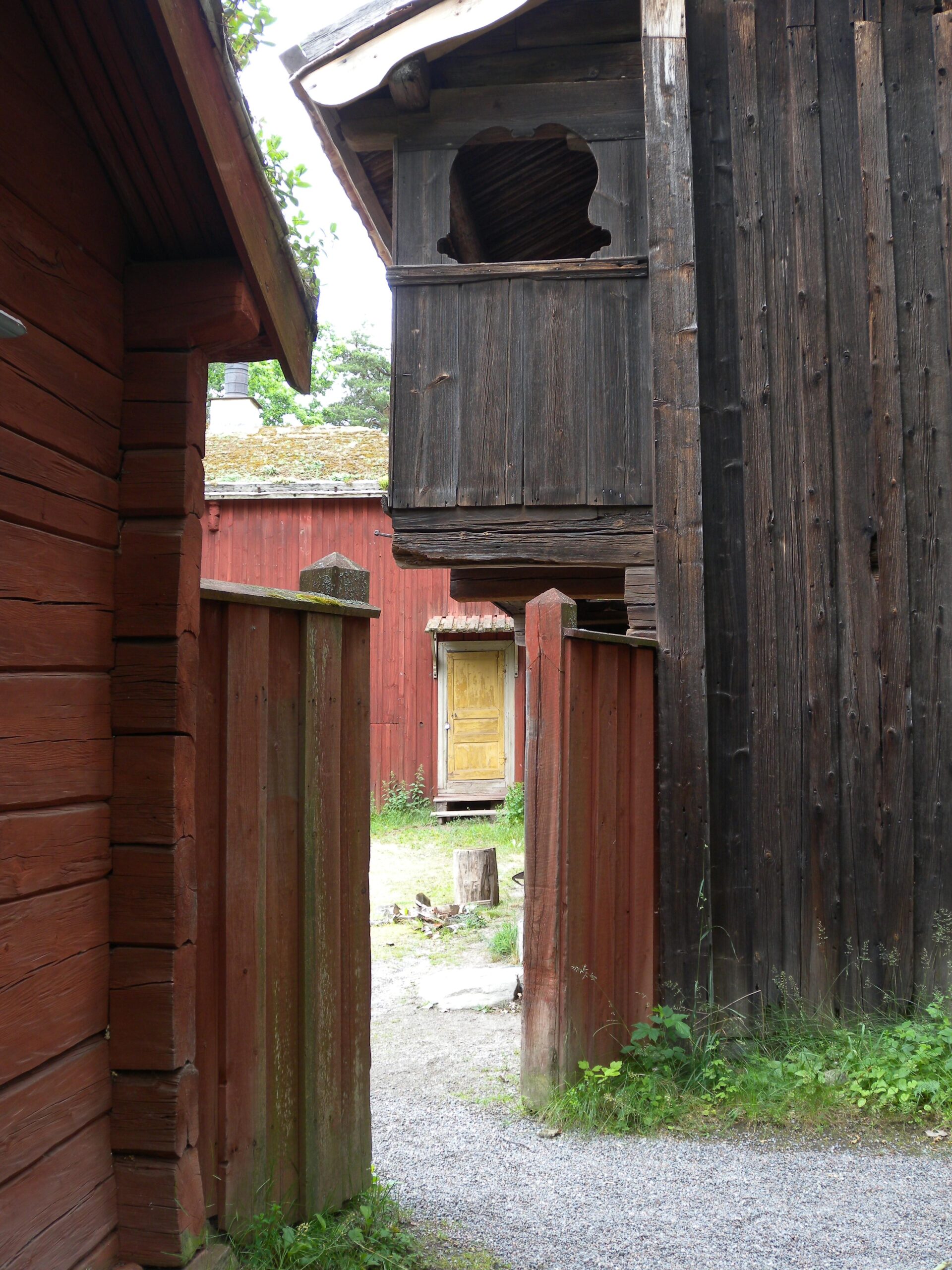
Skansen midsummer provides many opportunities to blend in to the background.


We went to Skansen for midsummer again this year.


[Audiobook, listened with Adelle]
Eagle Dreams, Searching for Legends in Wild Mongolia by Stephen Bodio
Wanting more writing about travels in tundra I chose this book – it recounts a fascination with falconry from childhood and a desire to visit lands where nomads use eagles for hunting.
Once Mongolia started down the path to independence and democracy in the early 1990s it became more open to visitors and Stephen made several journeys to visit the Kazakh eagle hunters.
He records the growth of his friendship with some of the locals, who accept him and are happy to show him their life when he visits. The book itself covers a few such visits, with a very American view on the progress of capitalism in the country, but also with a naïve joy exploring the lands and culture, finding what seems primitive really need not be changed, it just works as is.
The focus is around falconry, the differences between the recreational back home and how it is a survival skill in the steppe, the capture, training, management and ultimately retirement of the birds used for hunting. How they can catch foxes, lynx or wolves, providing a source of pelts for hats and clothes.
There are a few insights into the lives of those settled in cities as well as the nomadic lifestyle of the hunters themselves.
Overall, more birds and less tundra than I wanted, a fascinating glimpse into lives alien to me.