We went to the Smaklust Swedish food festival in Hornstull. The place was full of the wonderful smells of the best food from across the country, with each county being represented in an area of the festival.
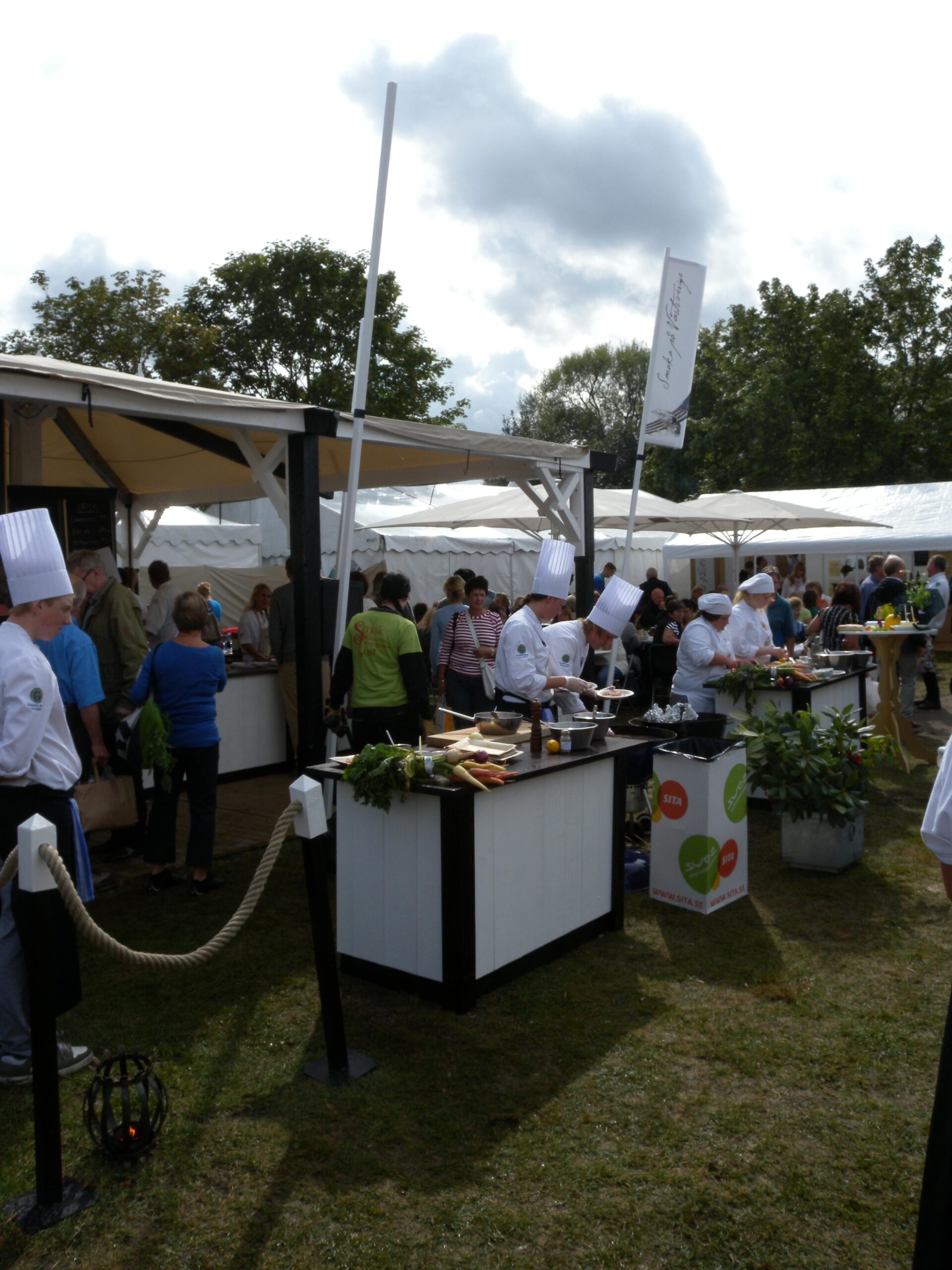
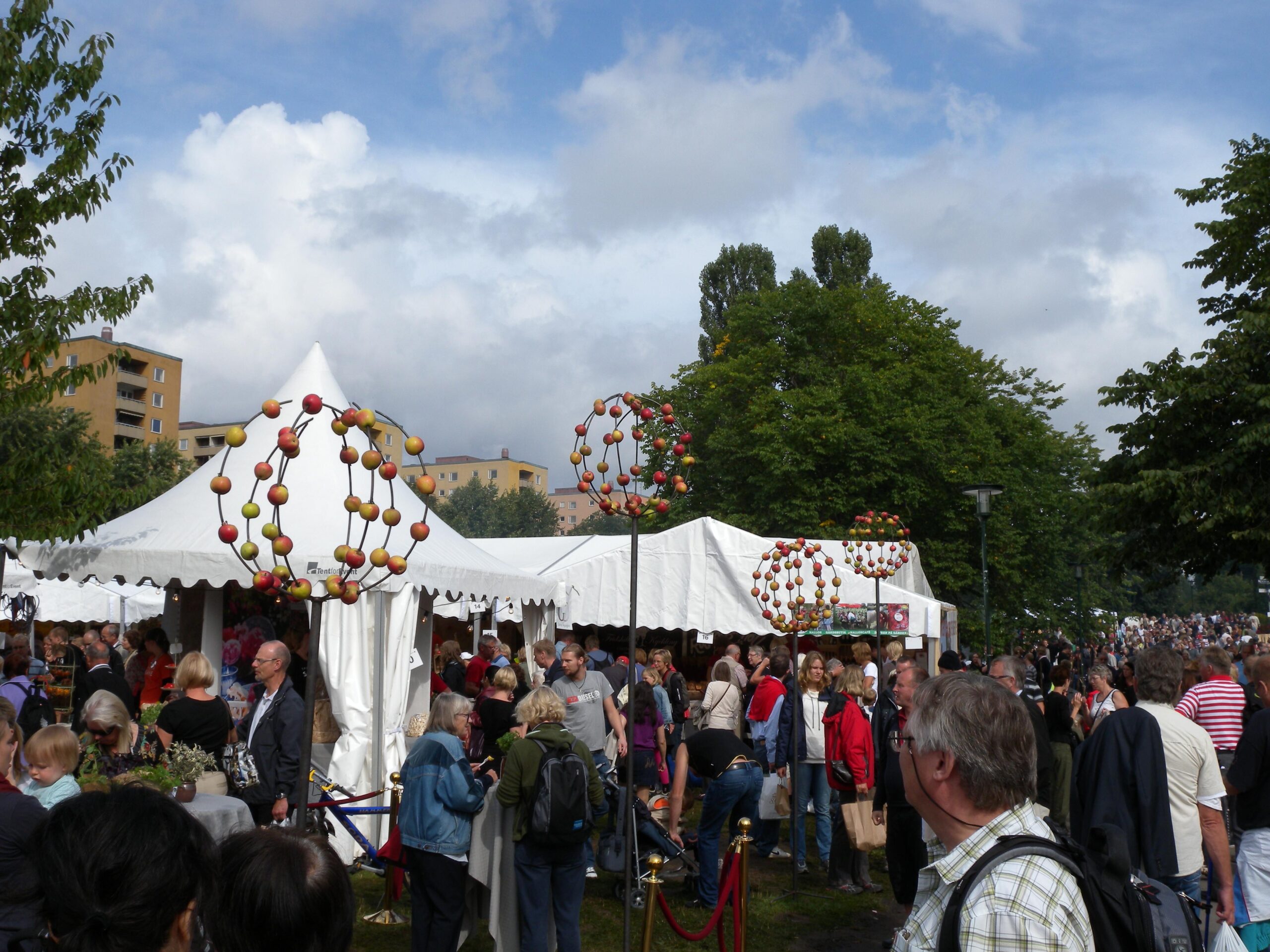
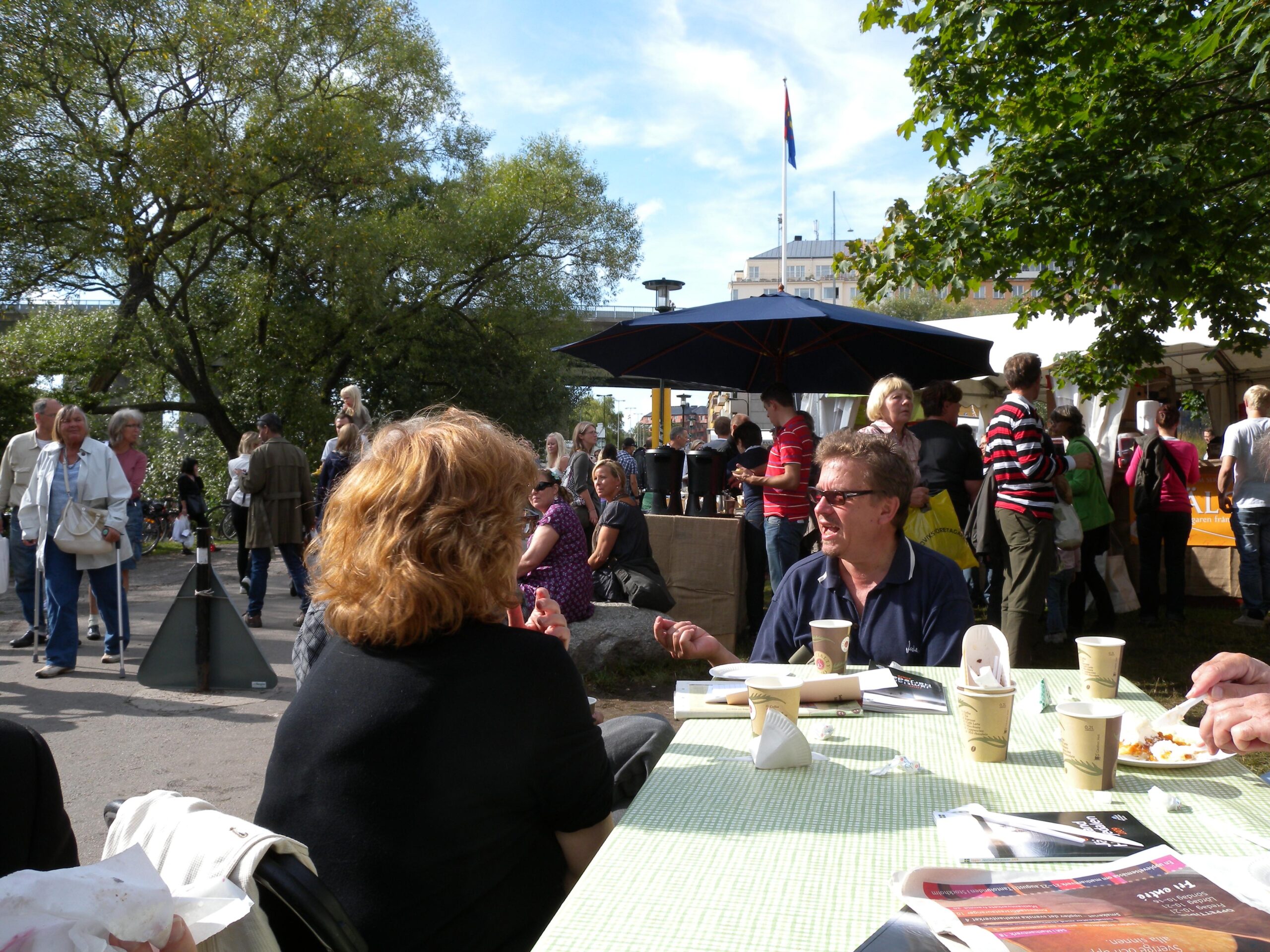
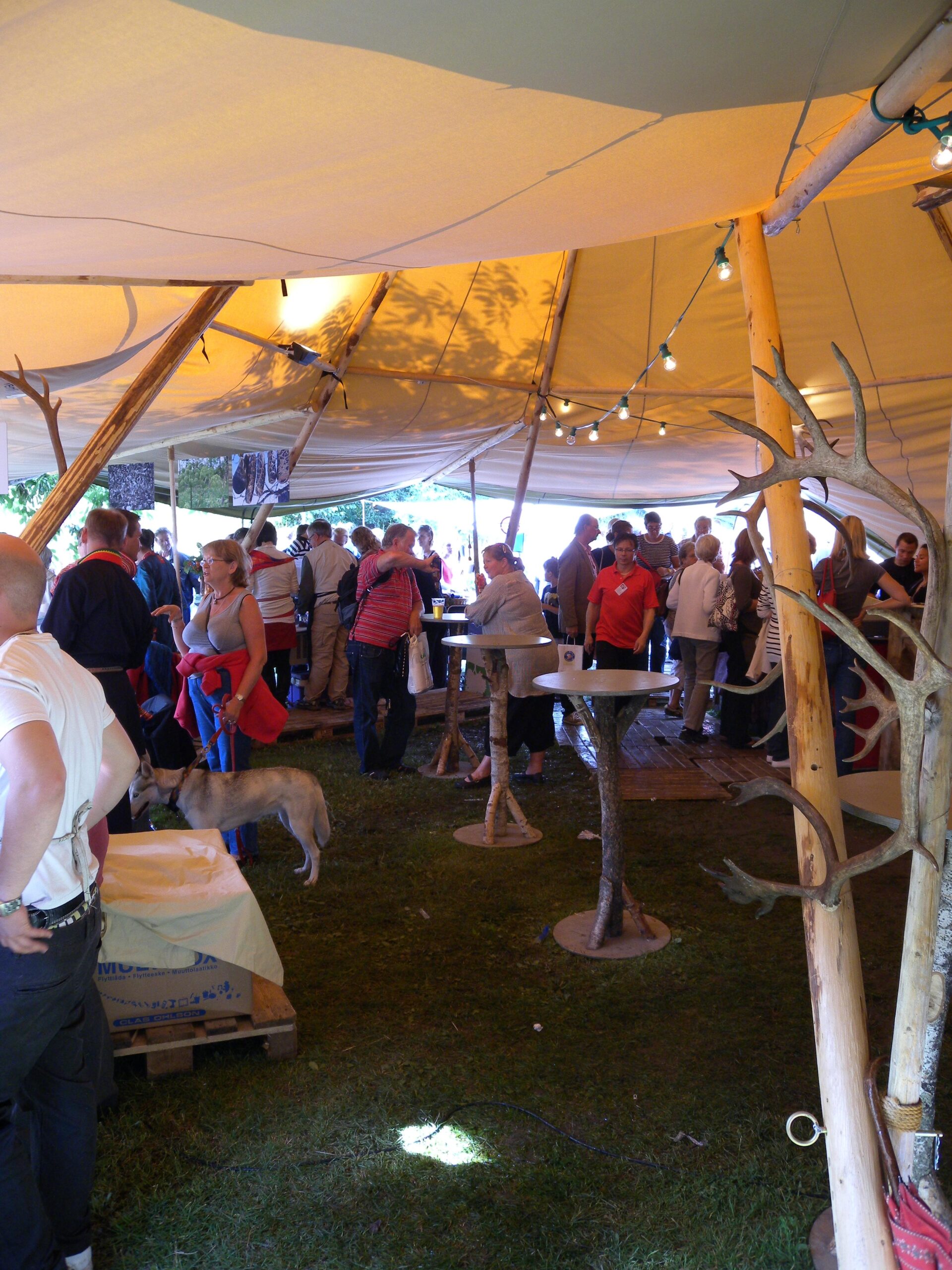
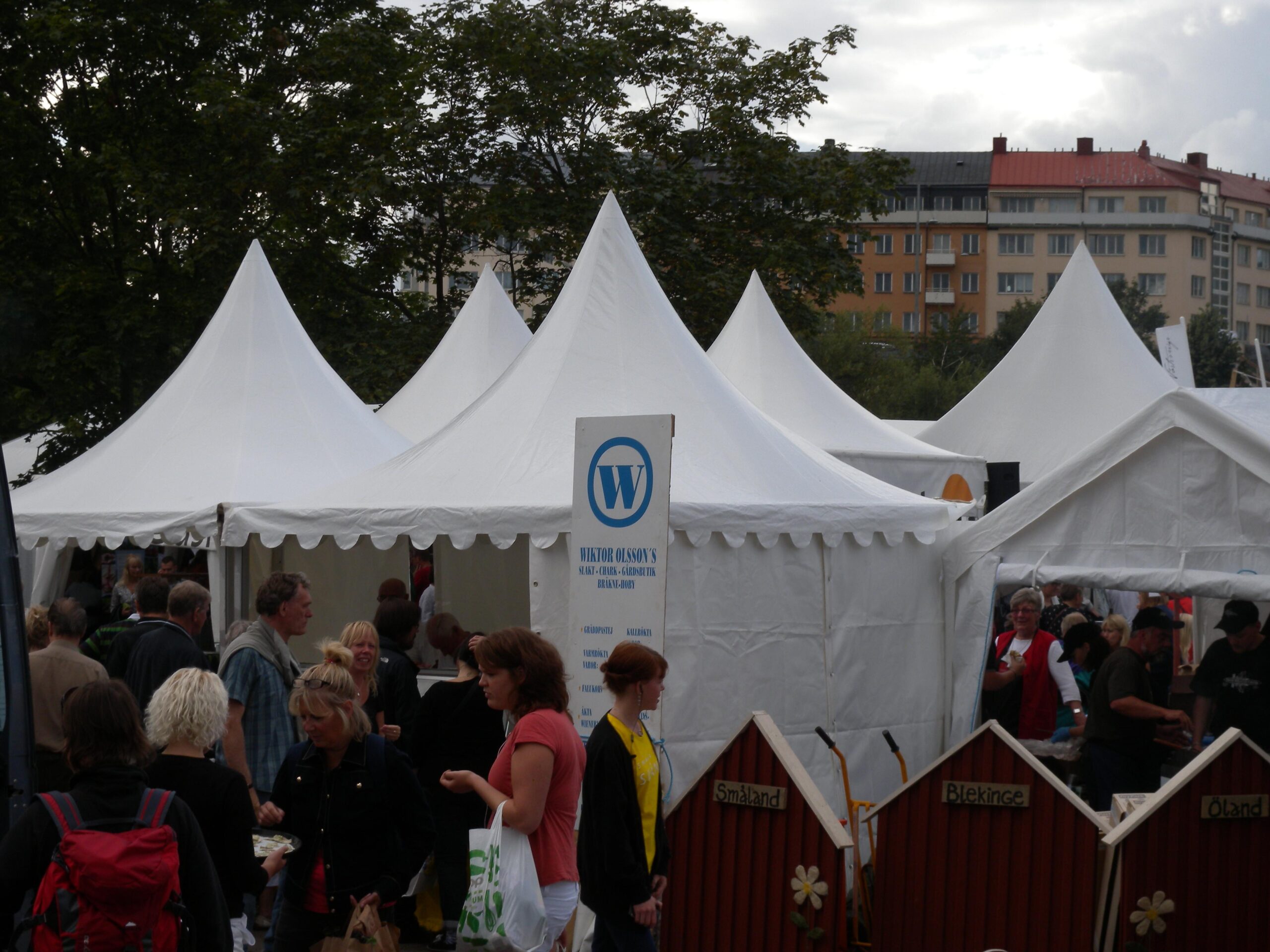
We went to the Smaklust Swedish food festival in Hornstull. The place was full of the wonderful smells of the best food from across the country, with each county being represented in an area of the festival.
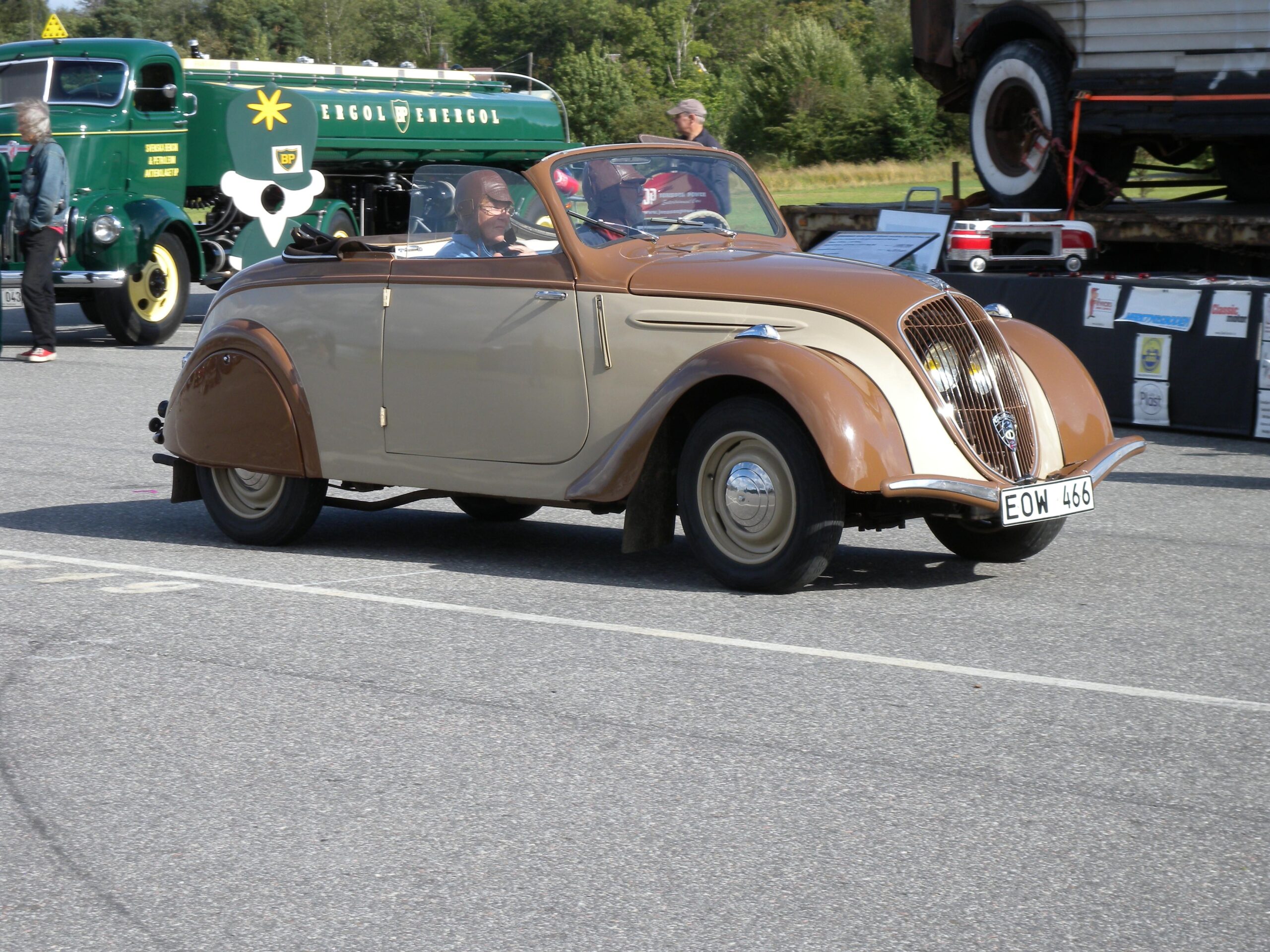
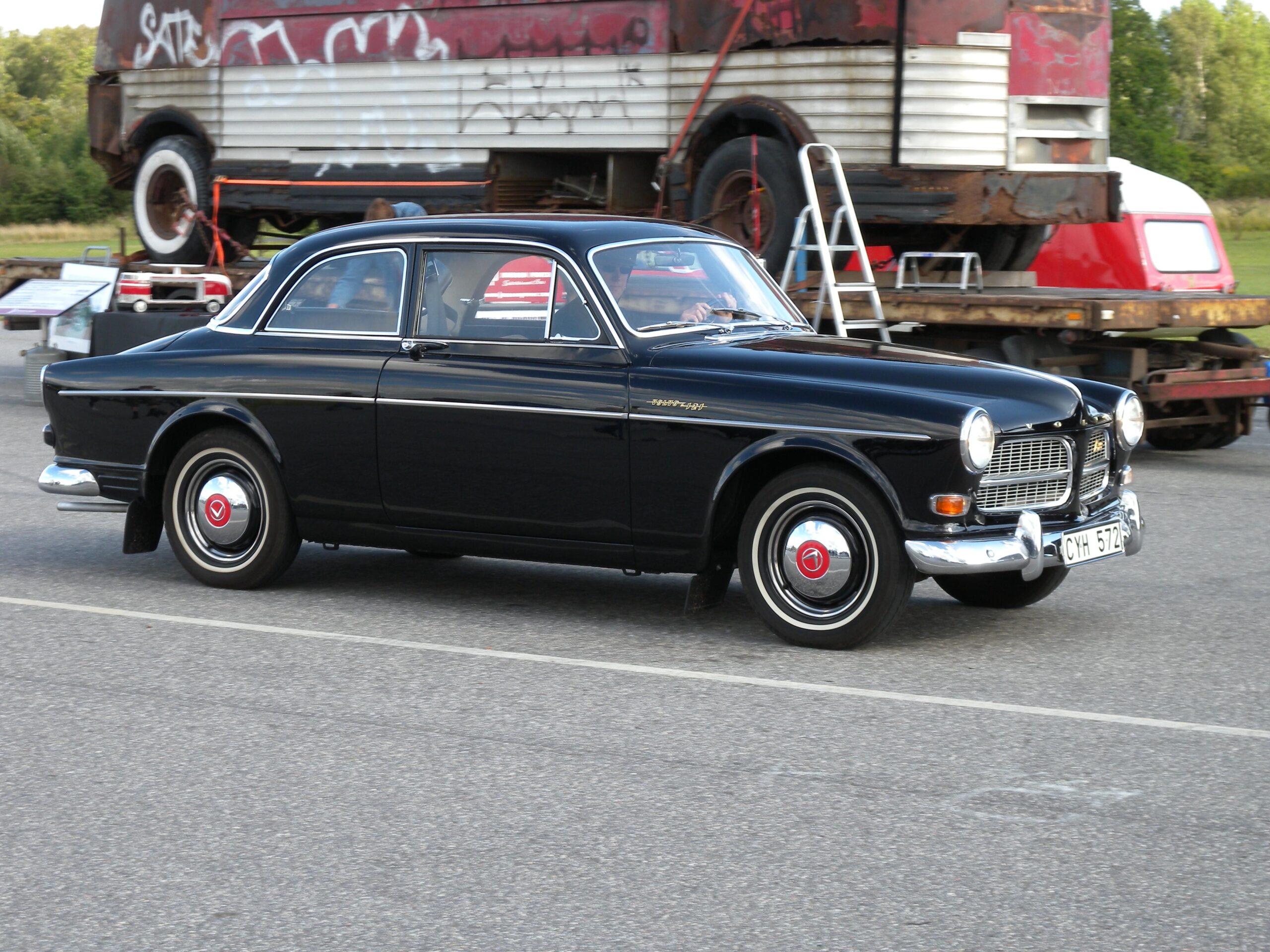
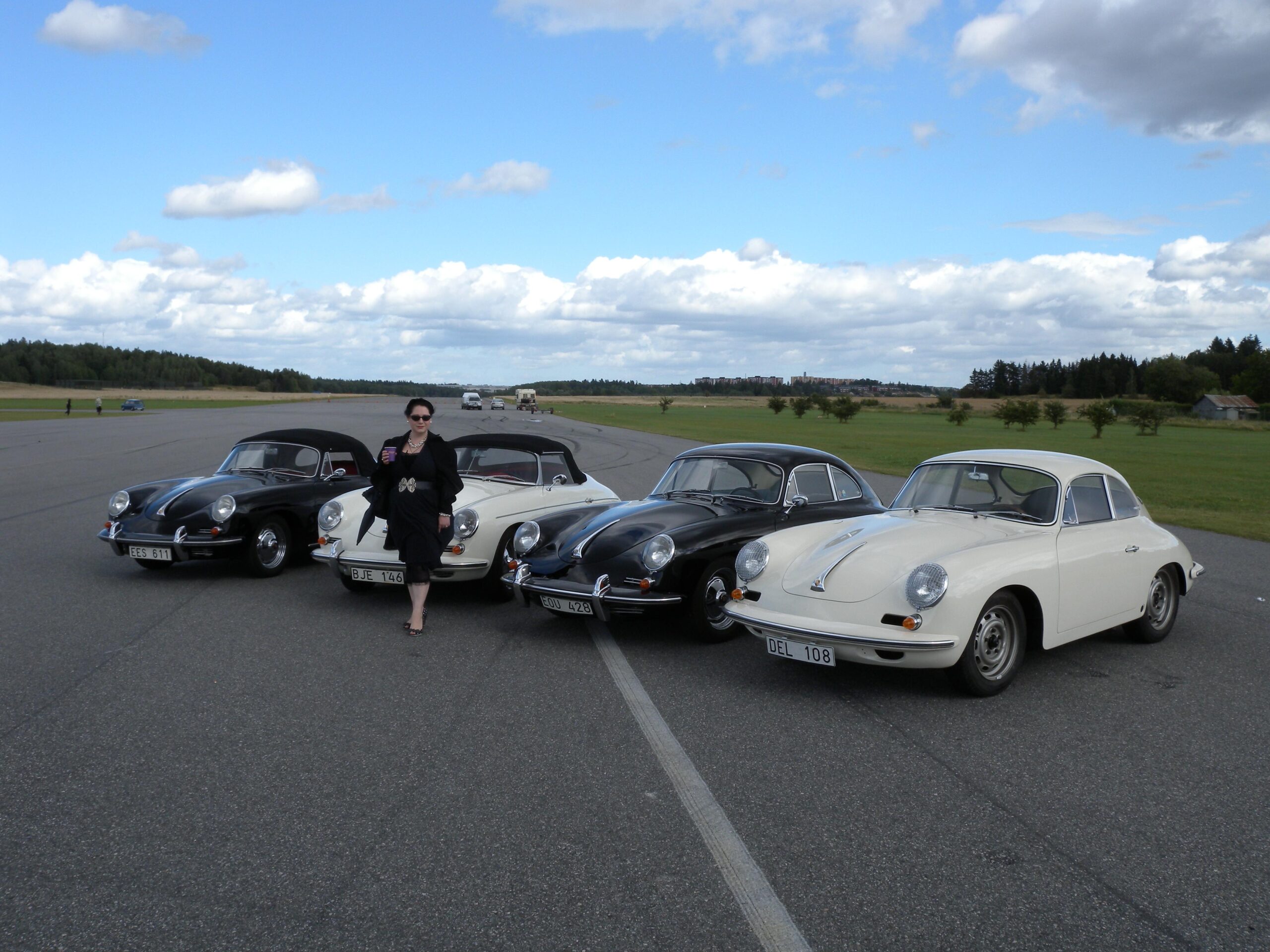
There was a parade of winners at the end of the Barkarby Classic Car Show.

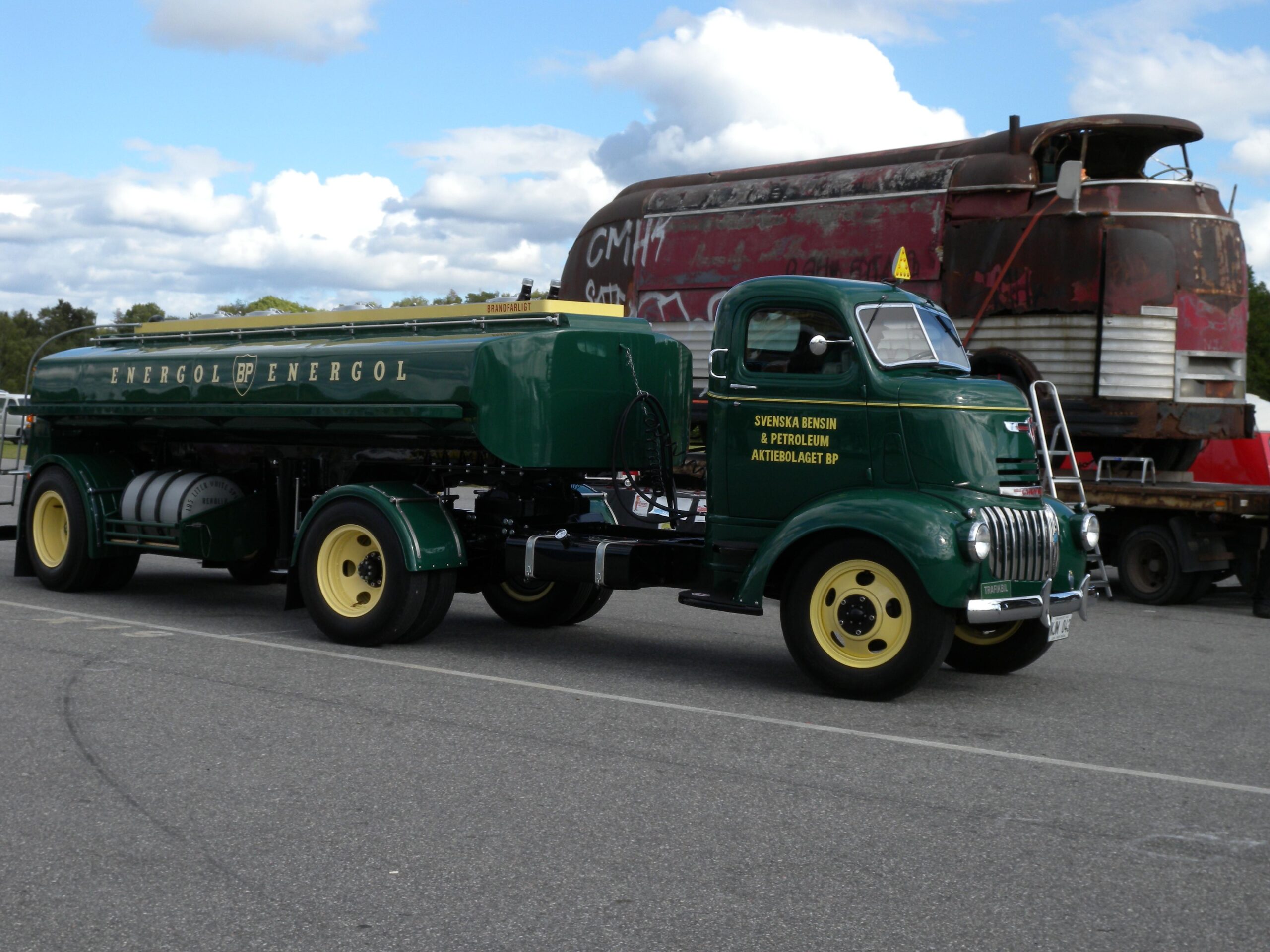
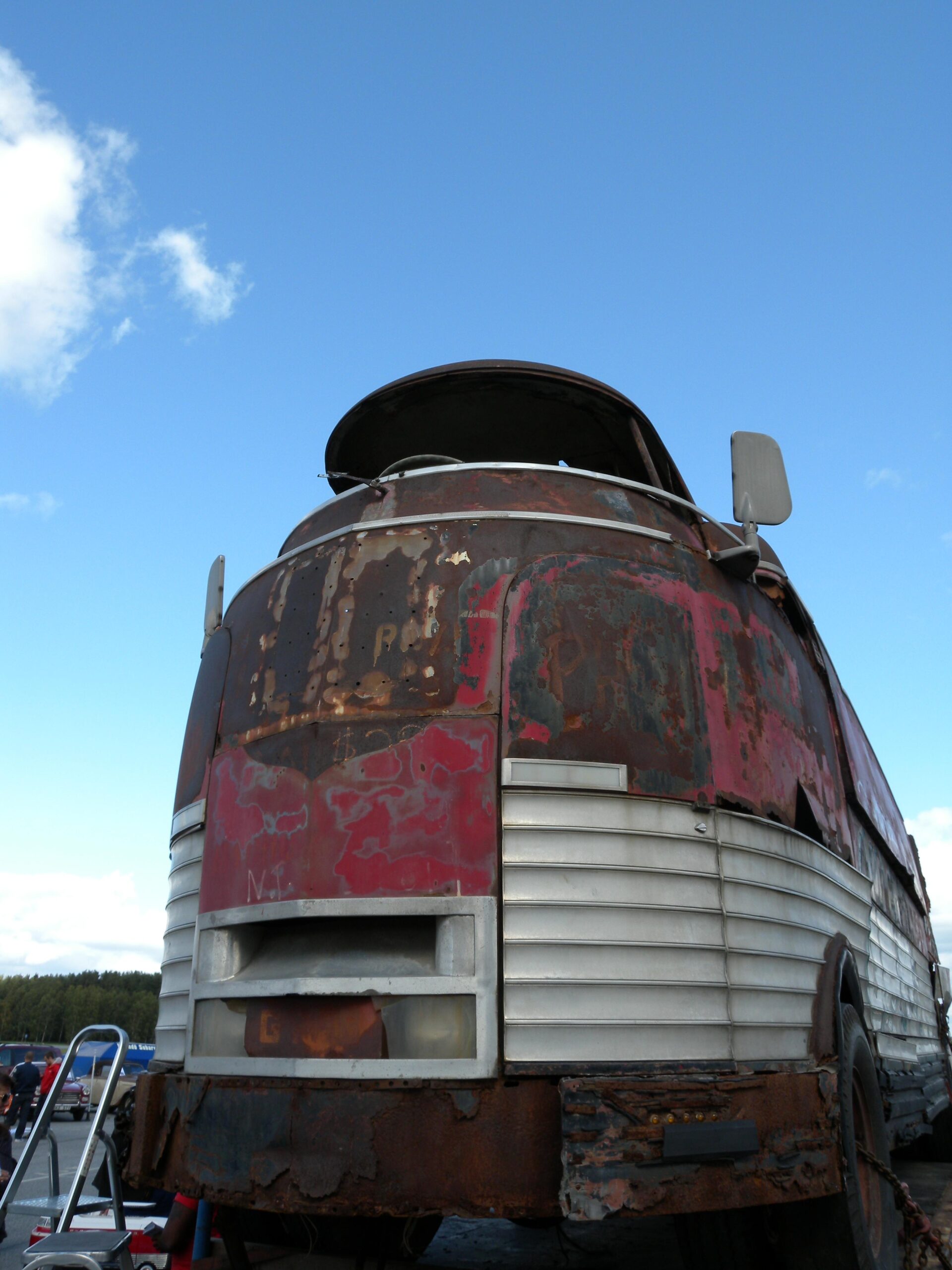
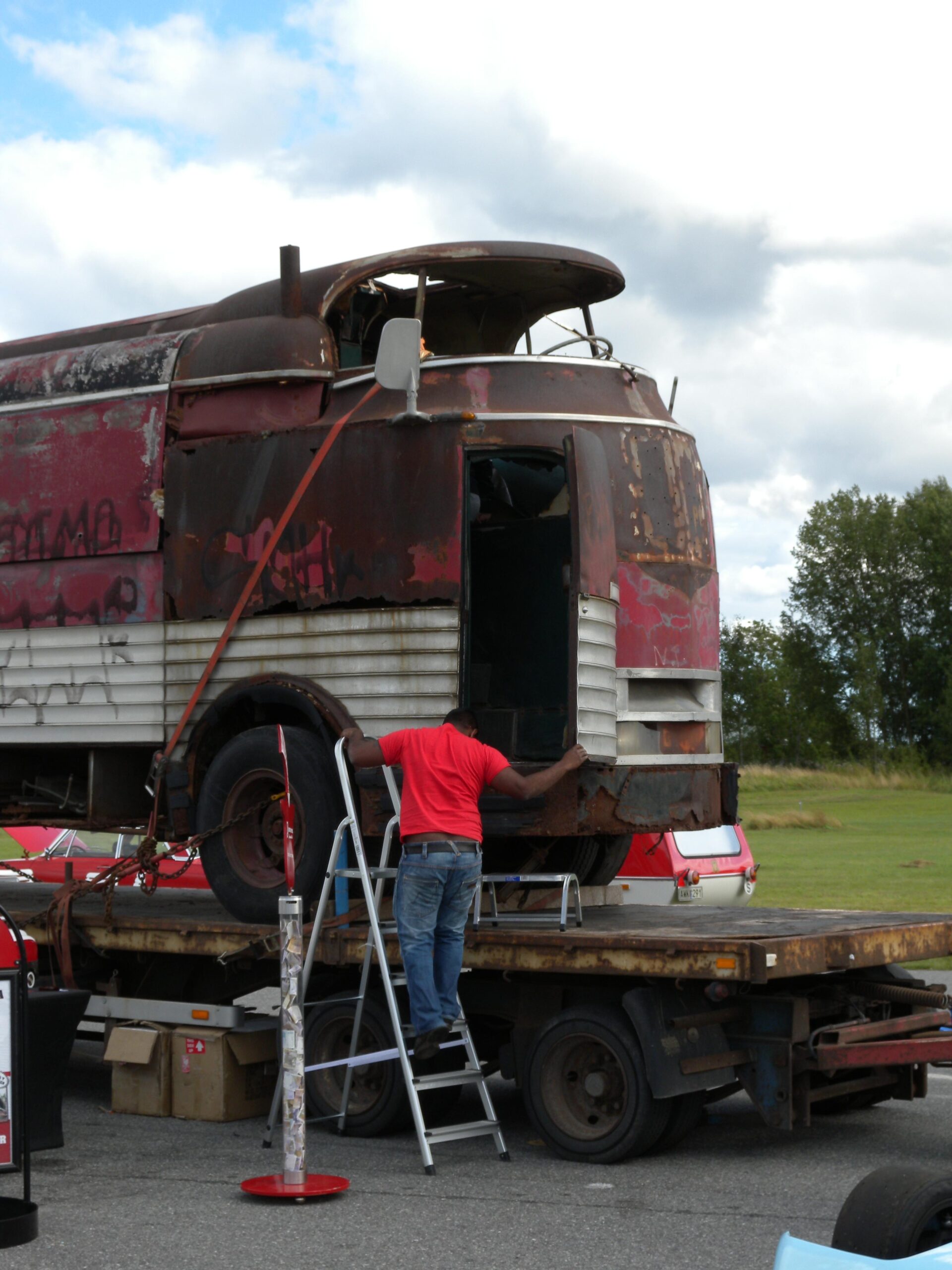
Futurliner #8 was on show, having recently arrived in Sweden for a ten year resoration project. Originally used as part of the Parade of Progress there were 12 of these futuristic buses made and driven across America during the 40s and 50s showing off developments being made in auto engineering.
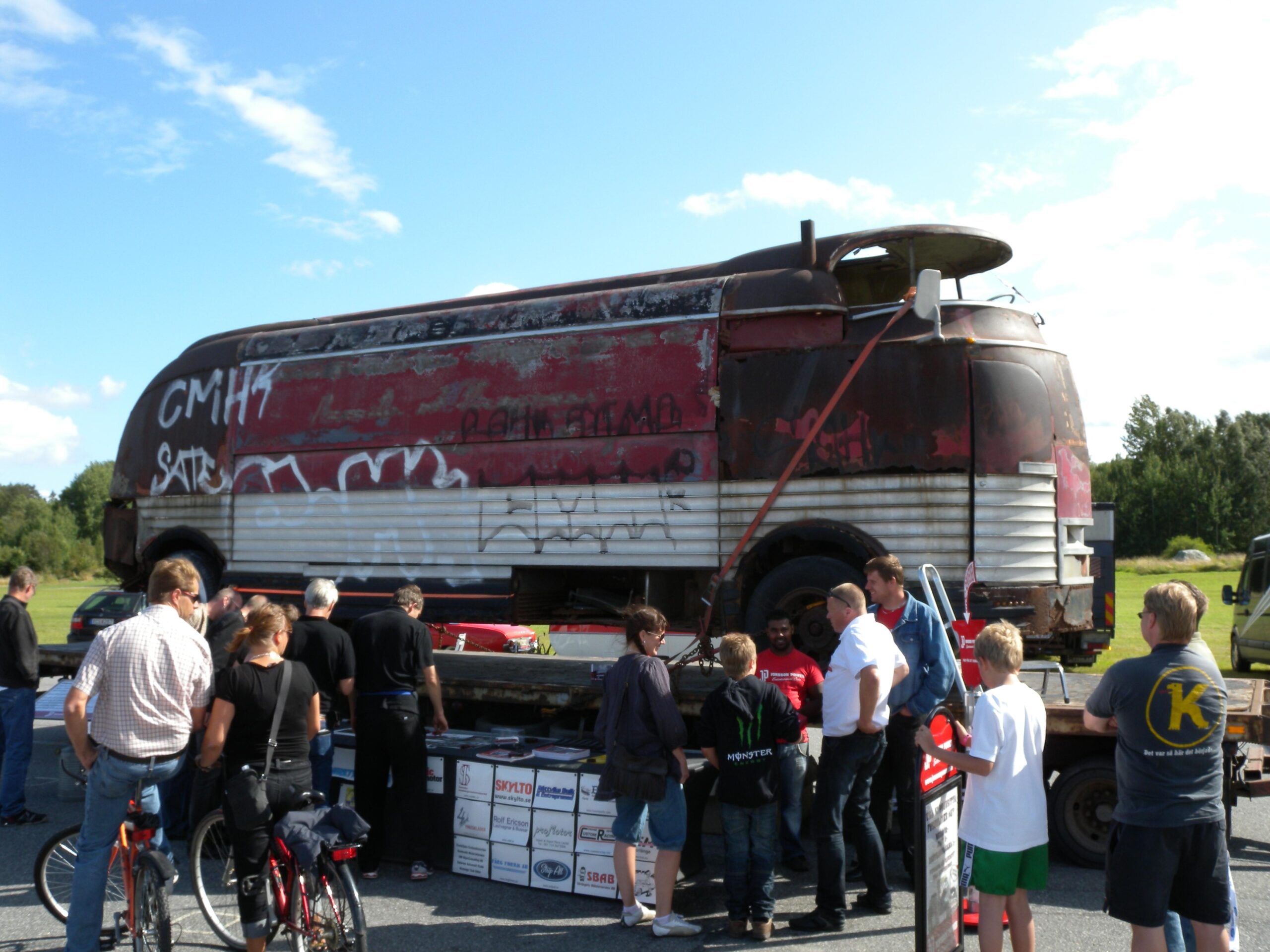
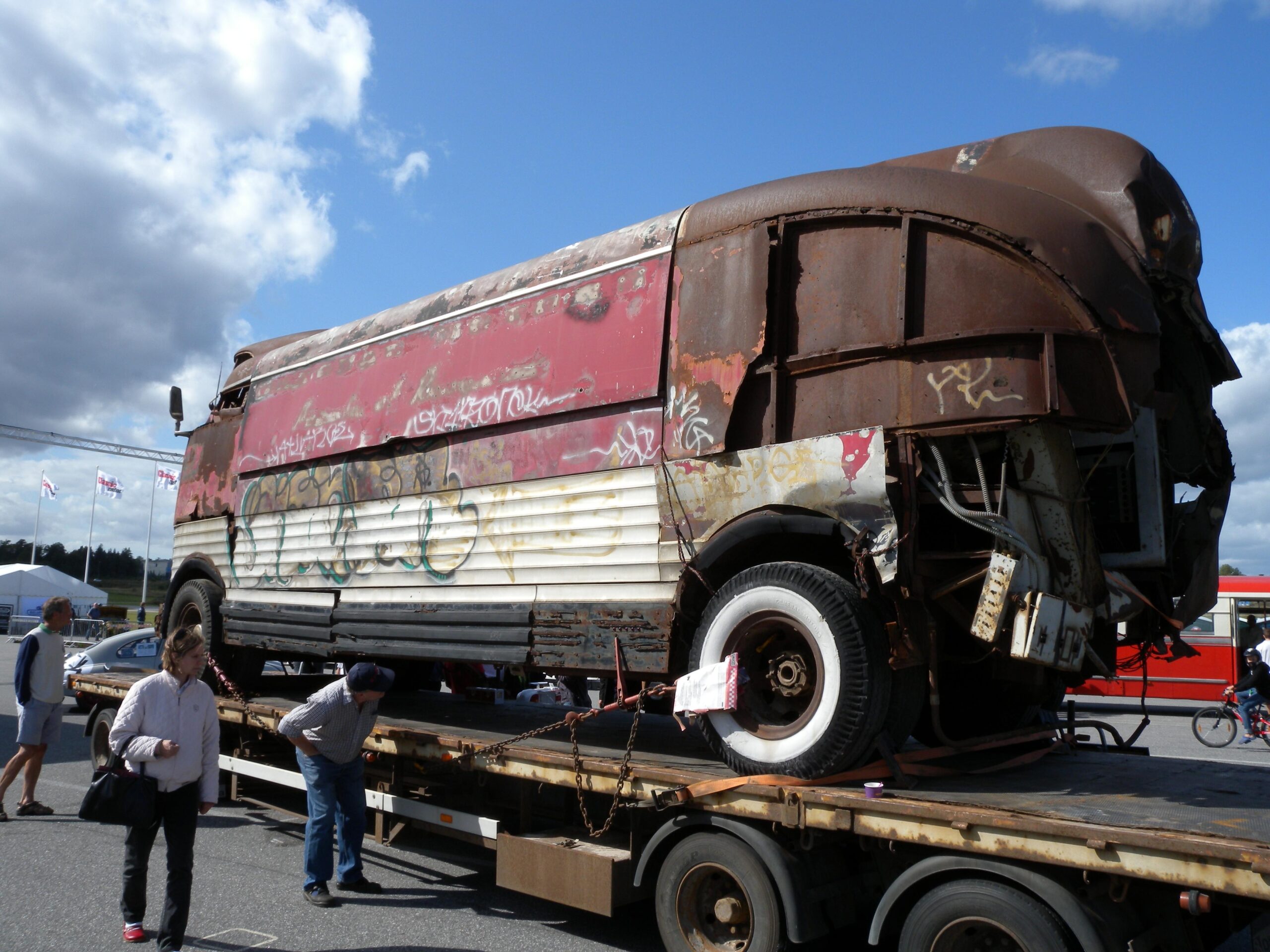
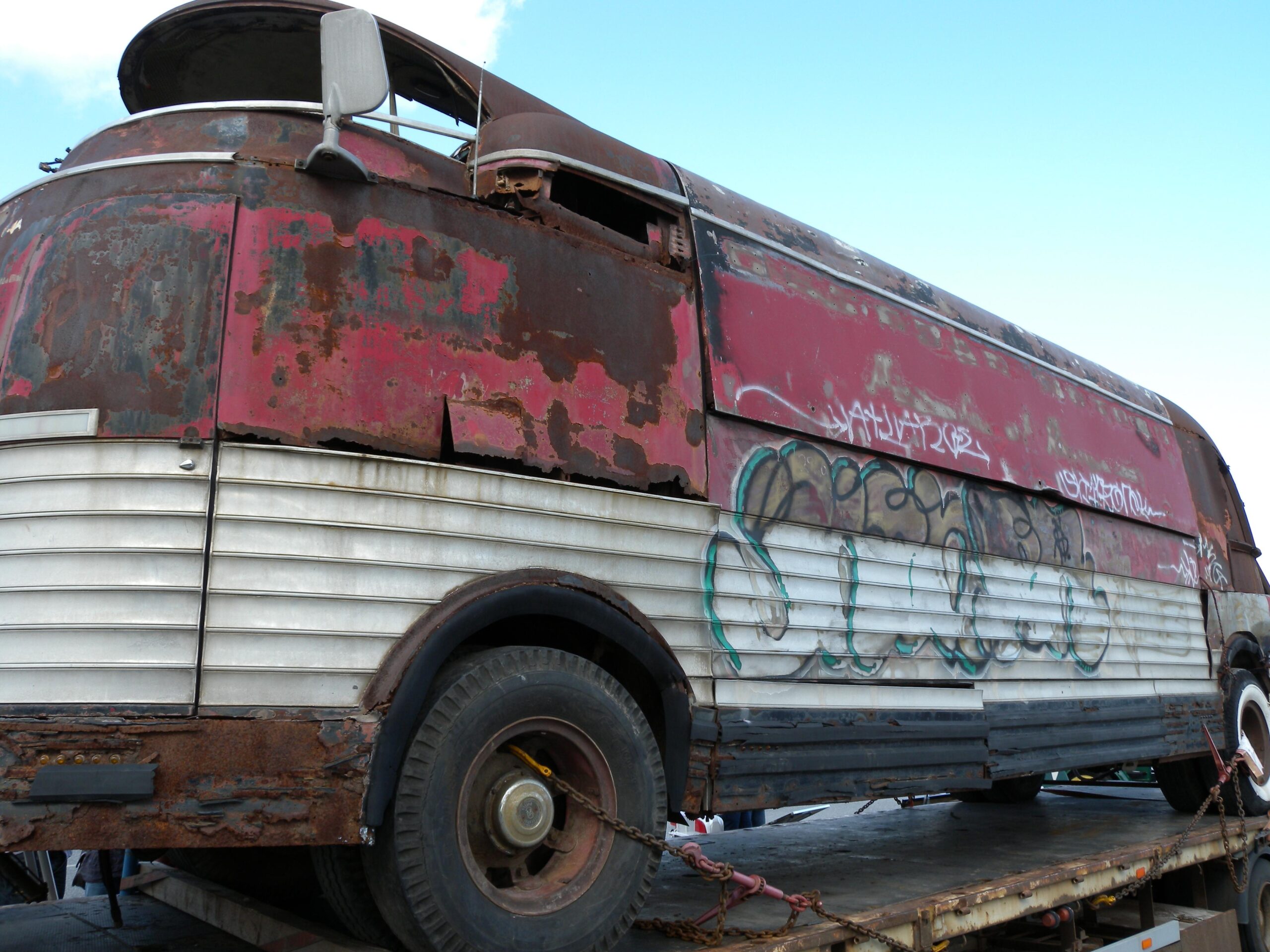
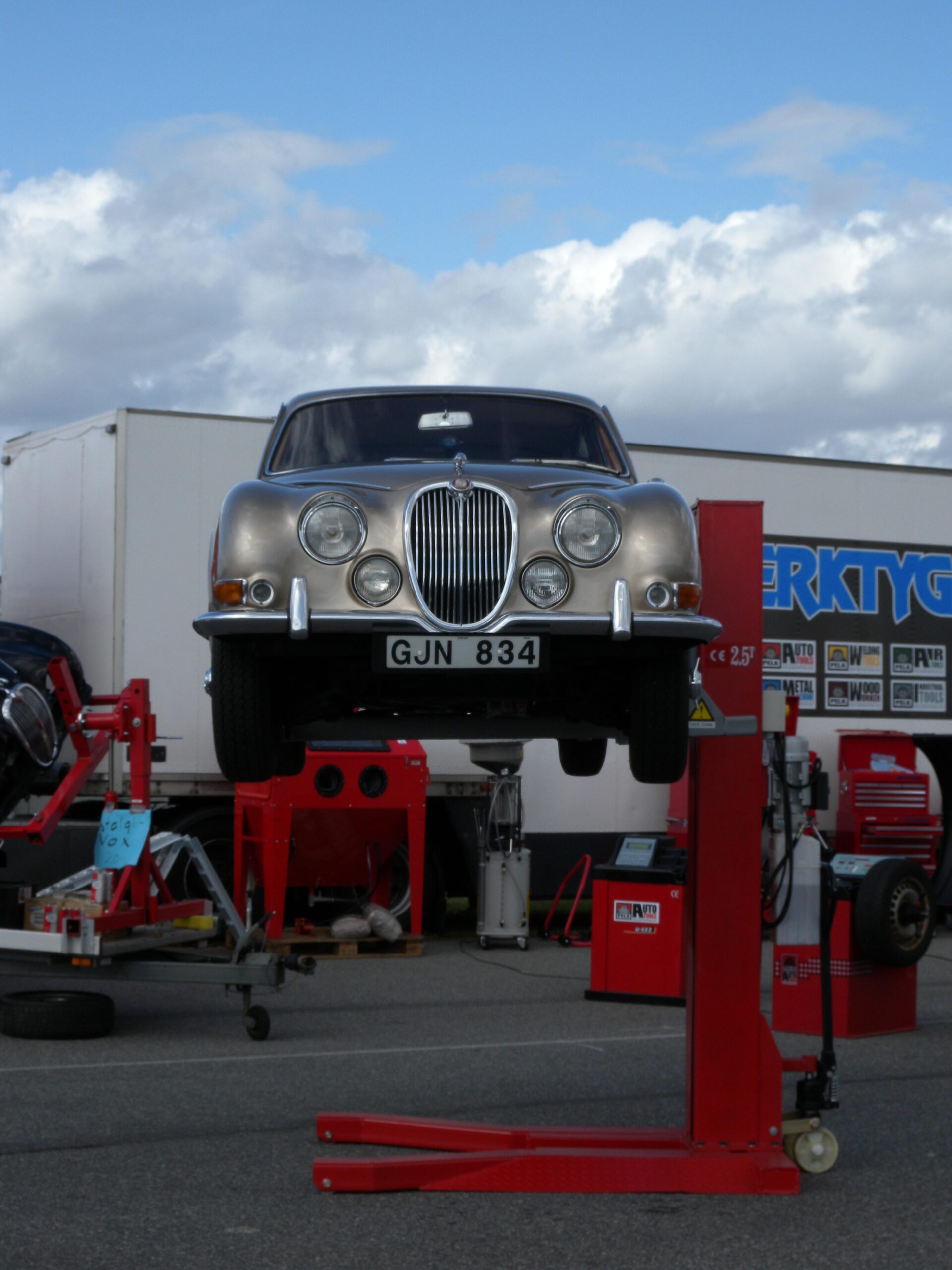
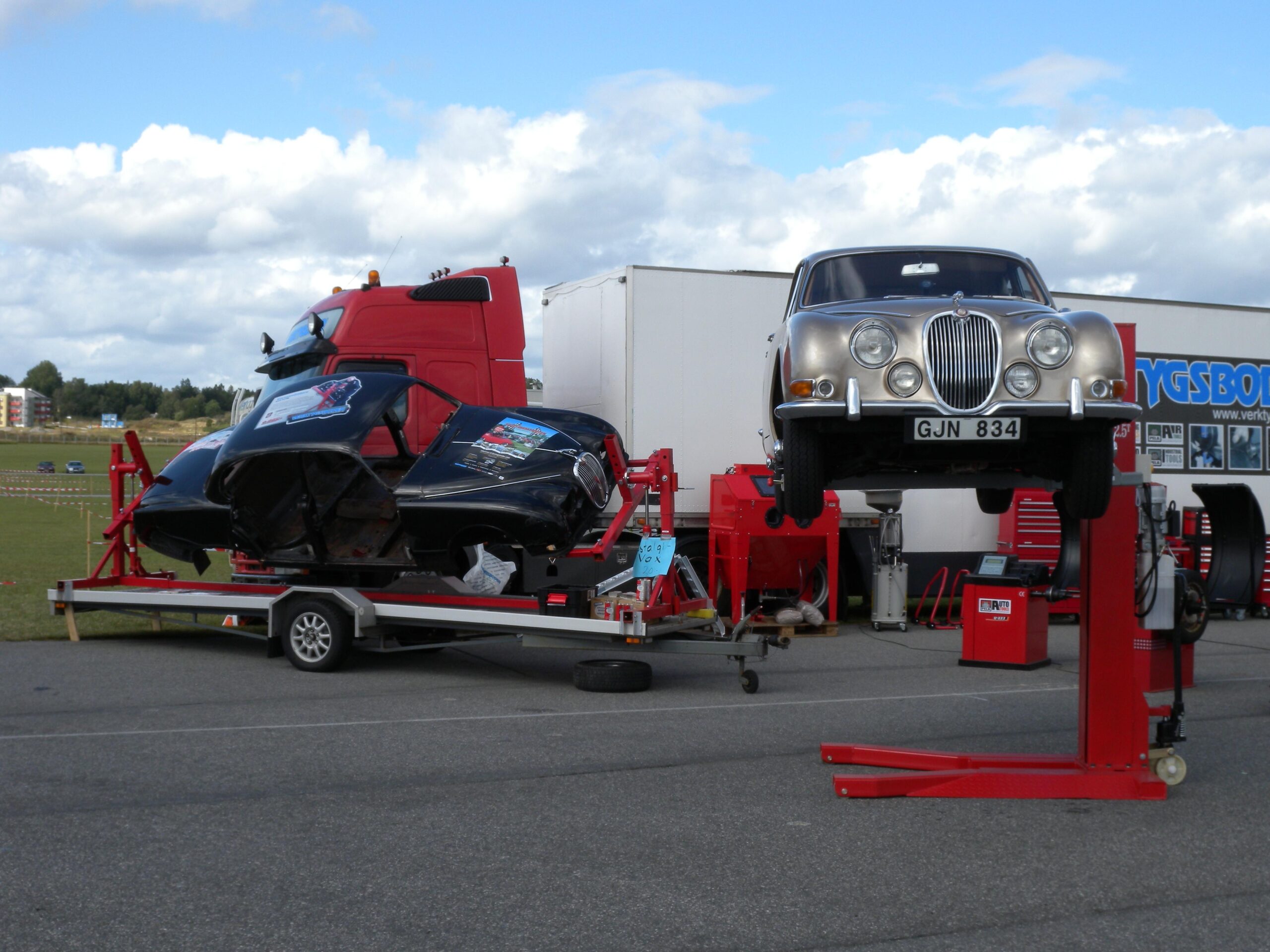
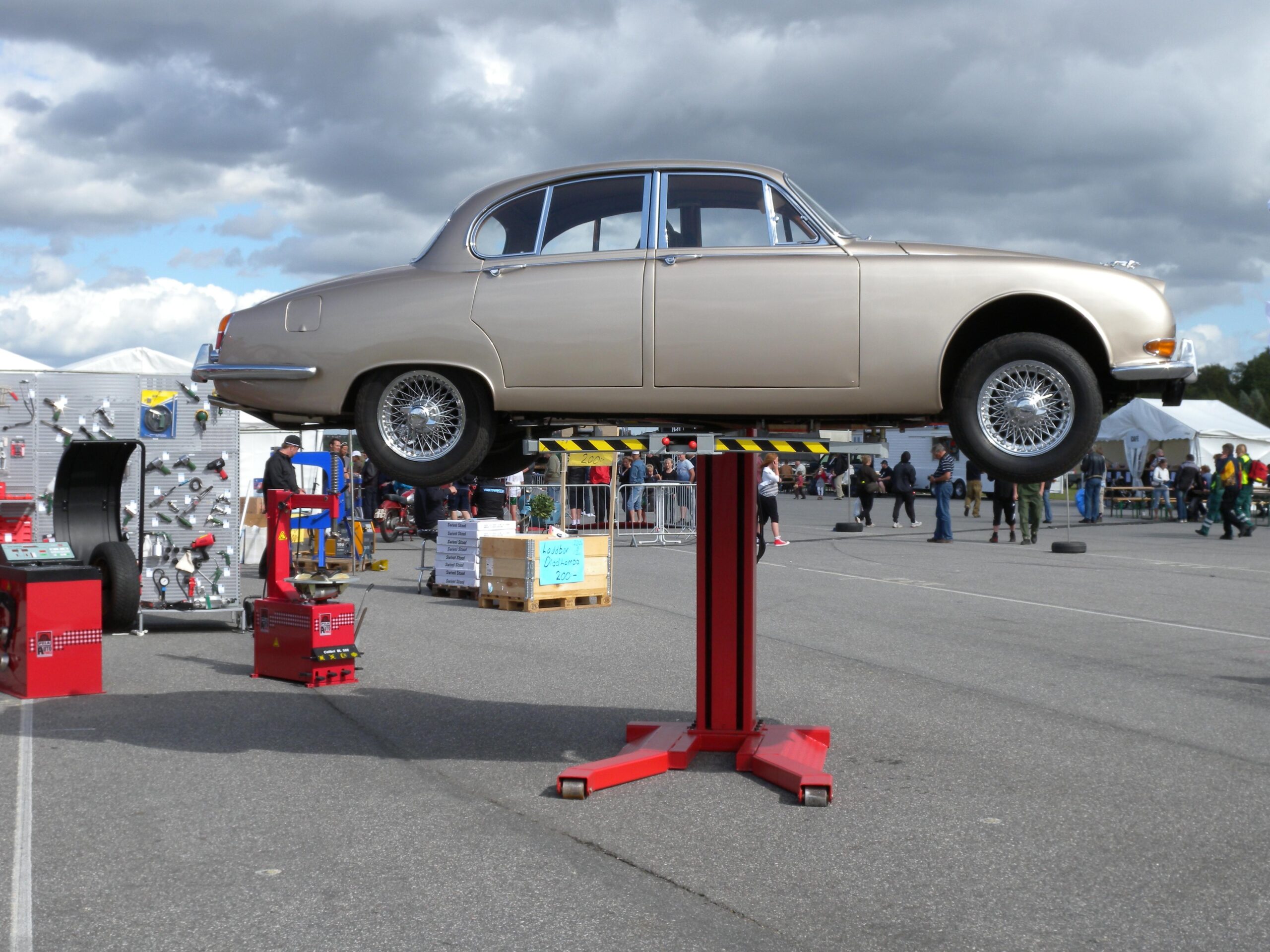
At the Barkarby car show there was a stand showing tools and equipment for looking after classic cars.
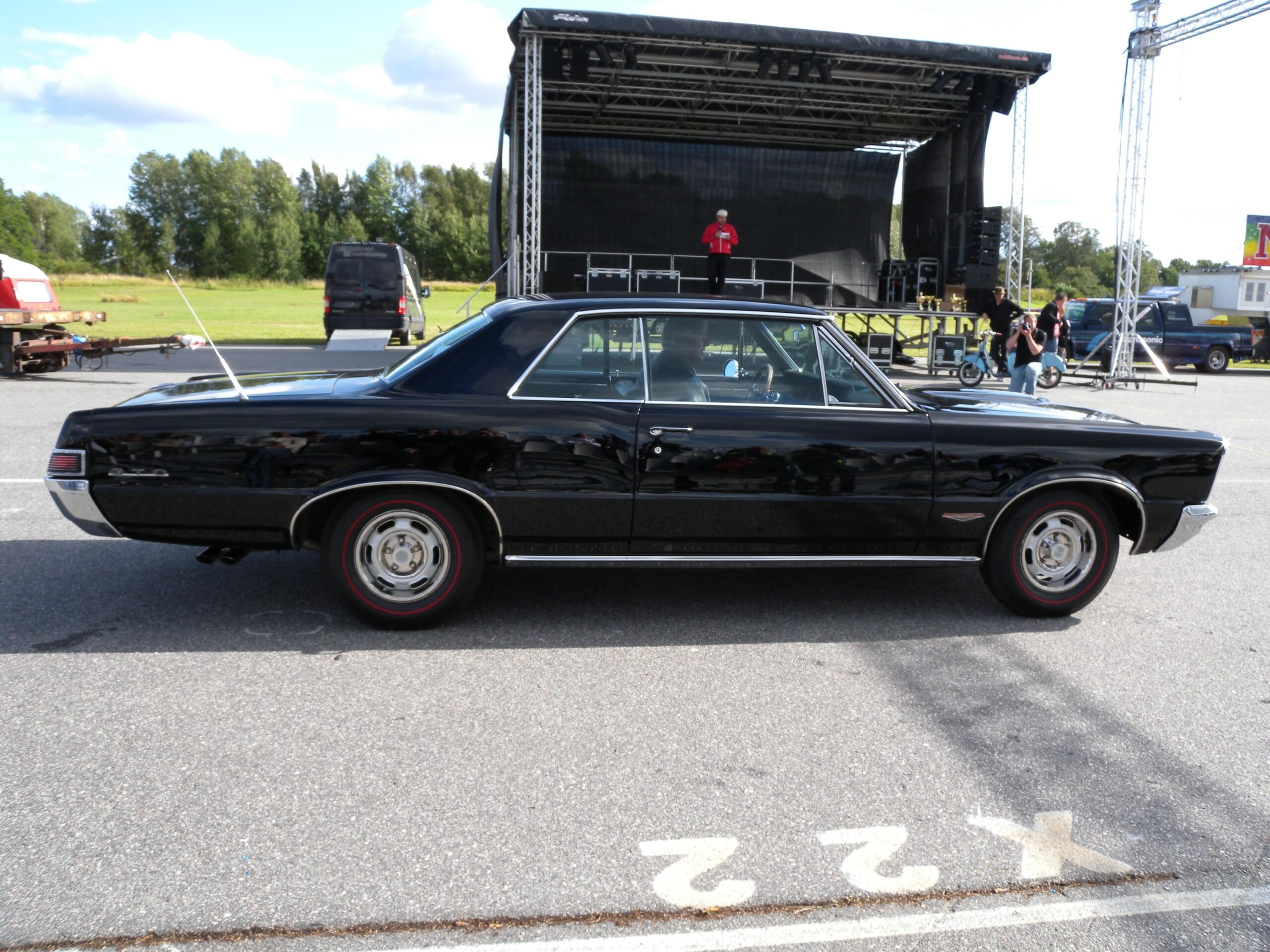
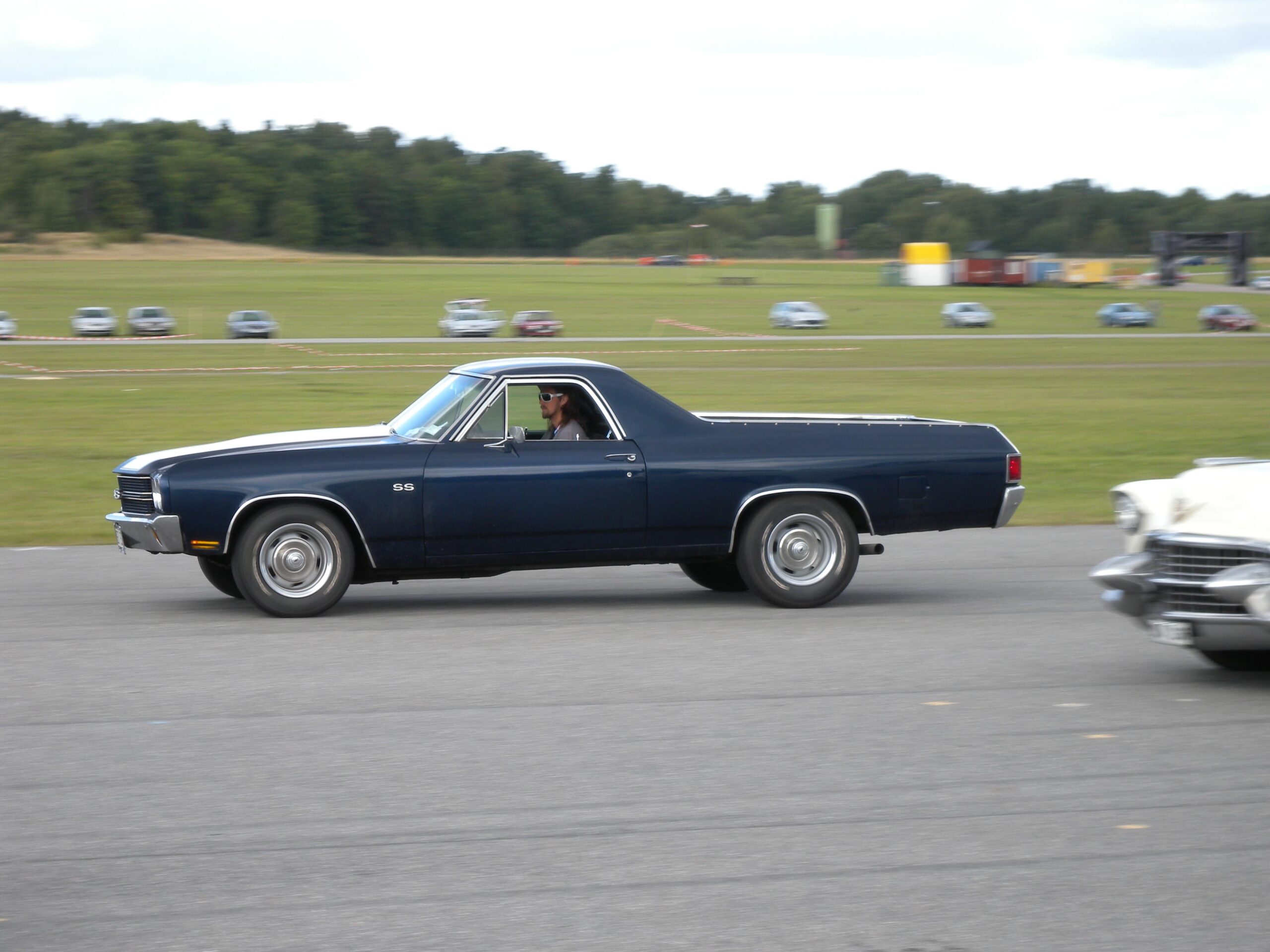
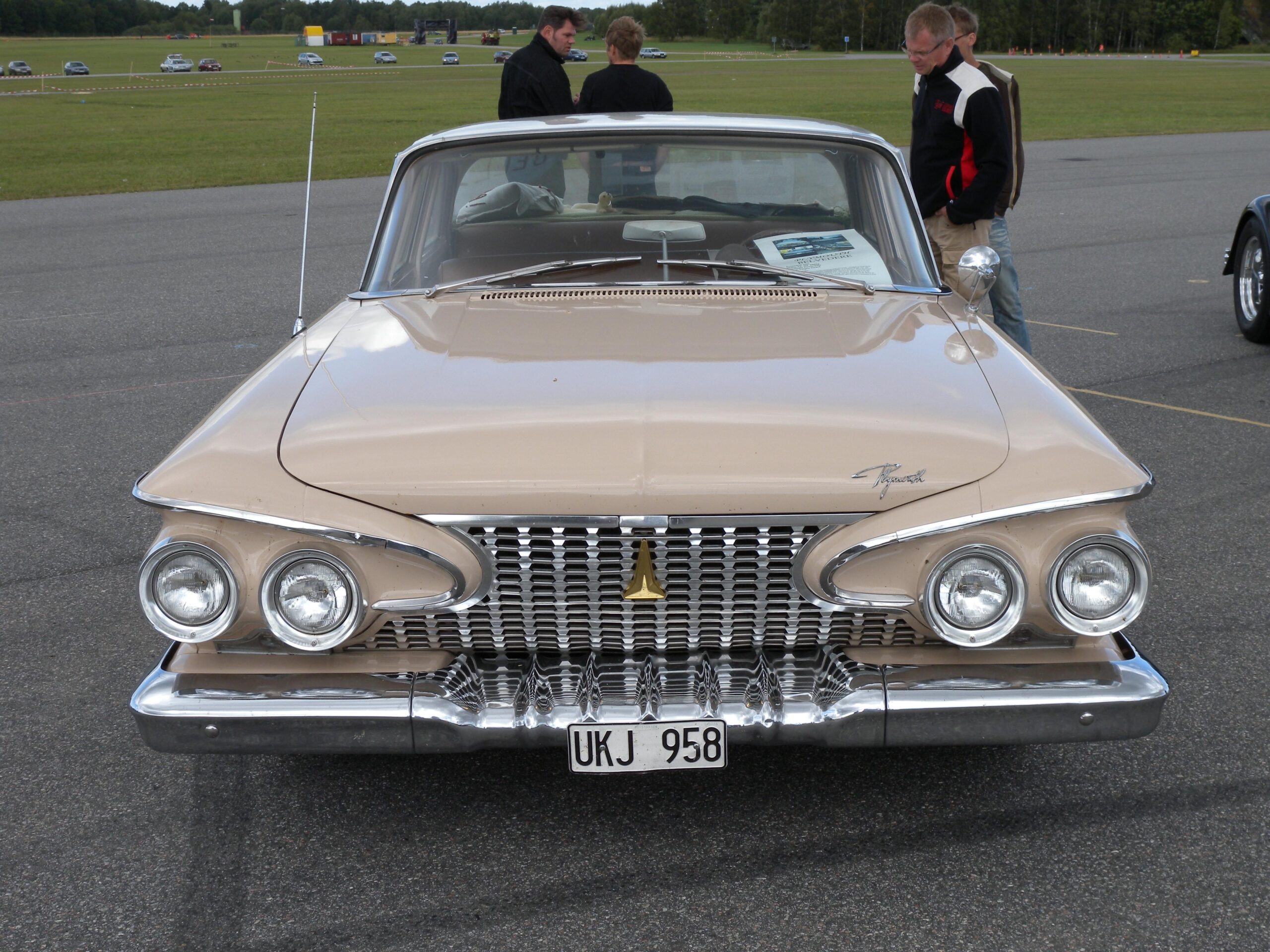
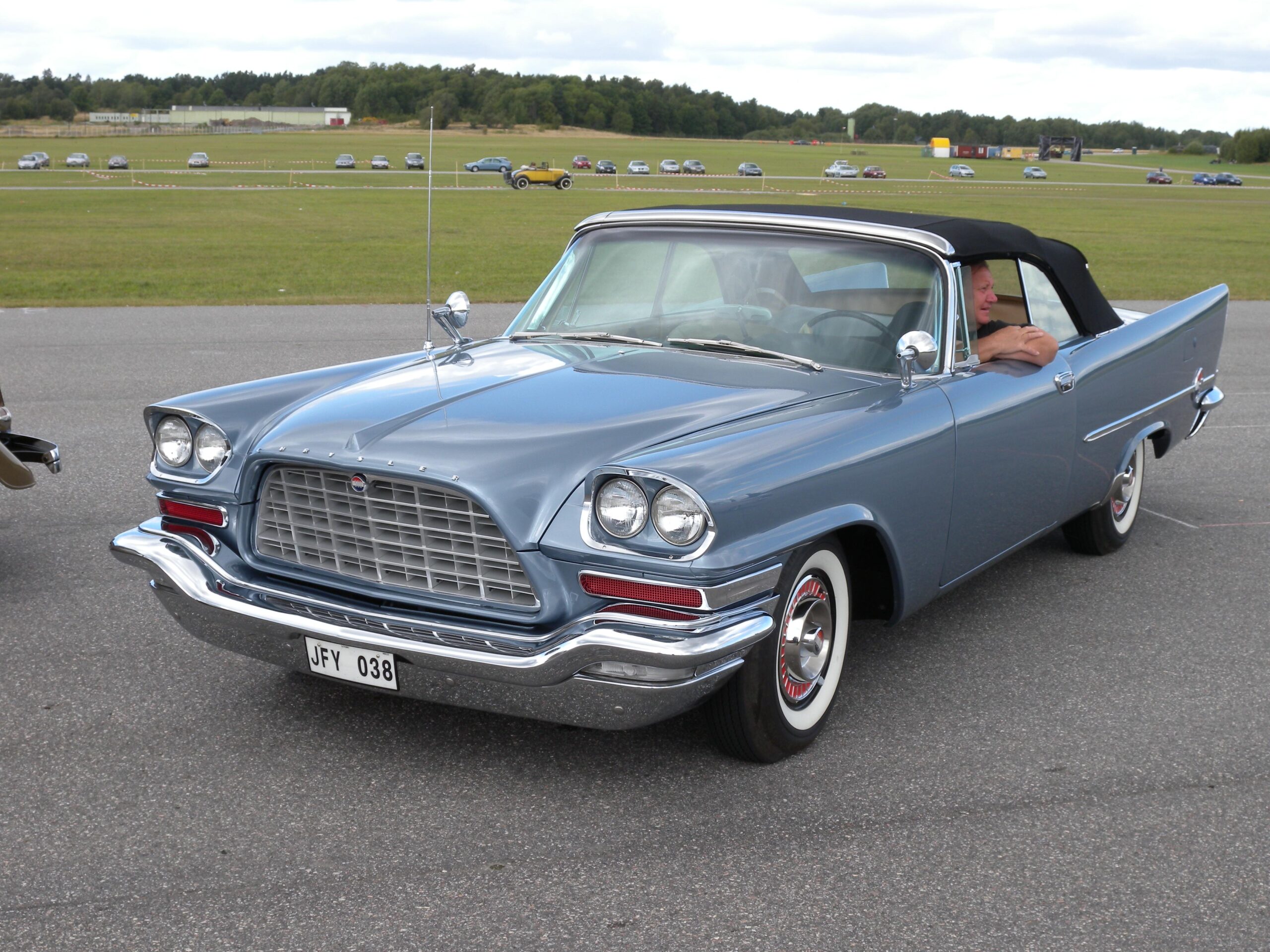
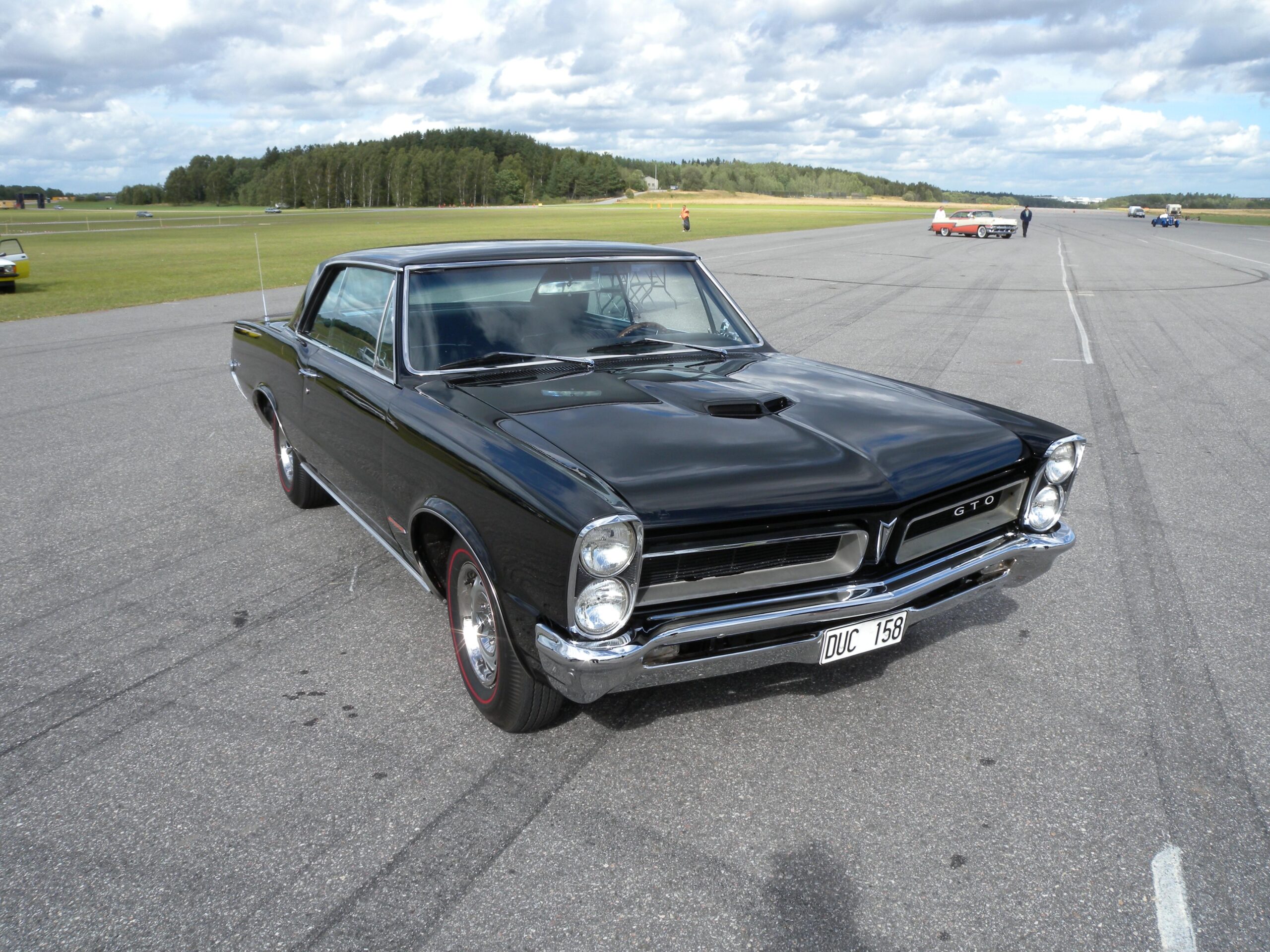
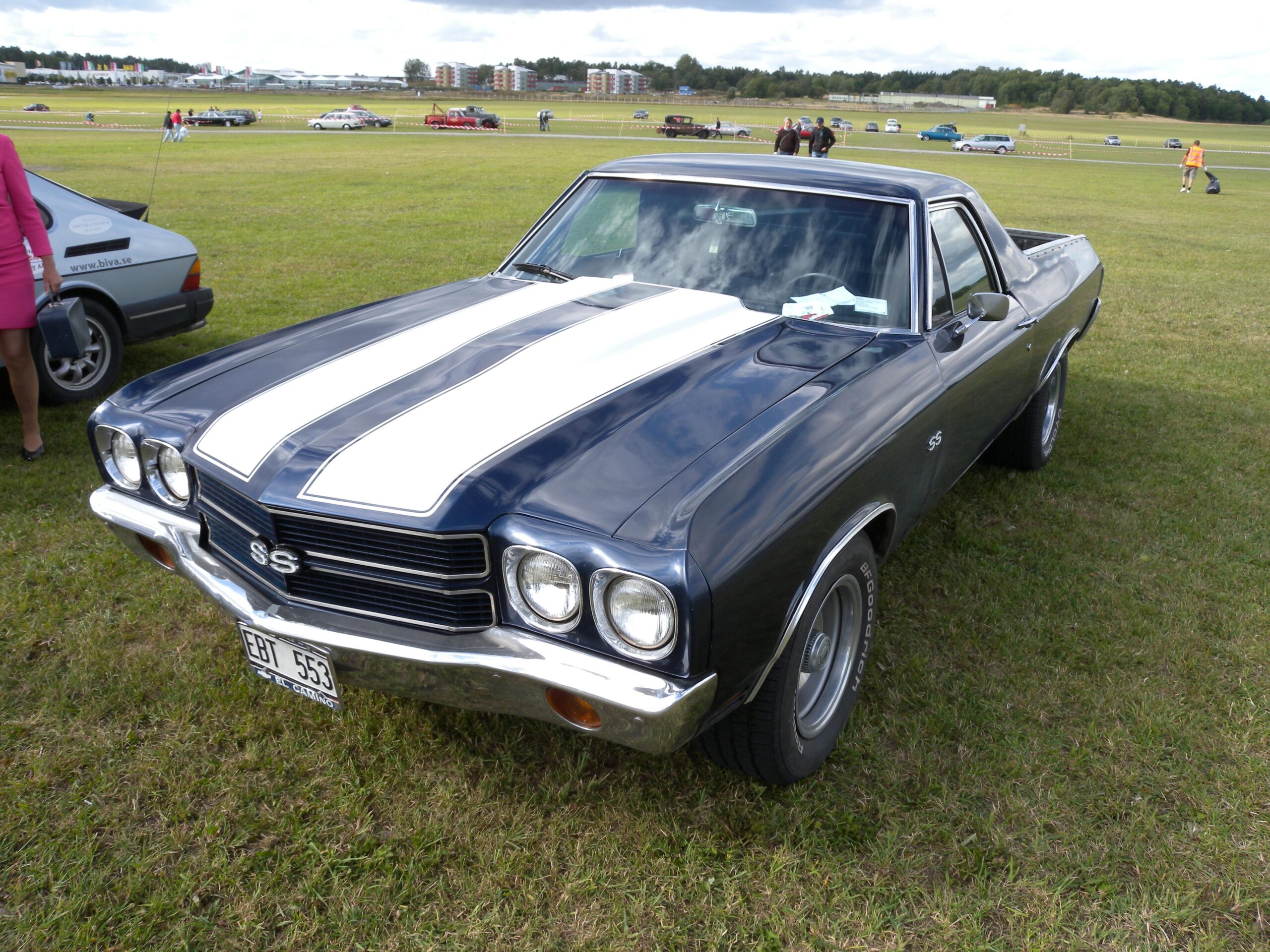
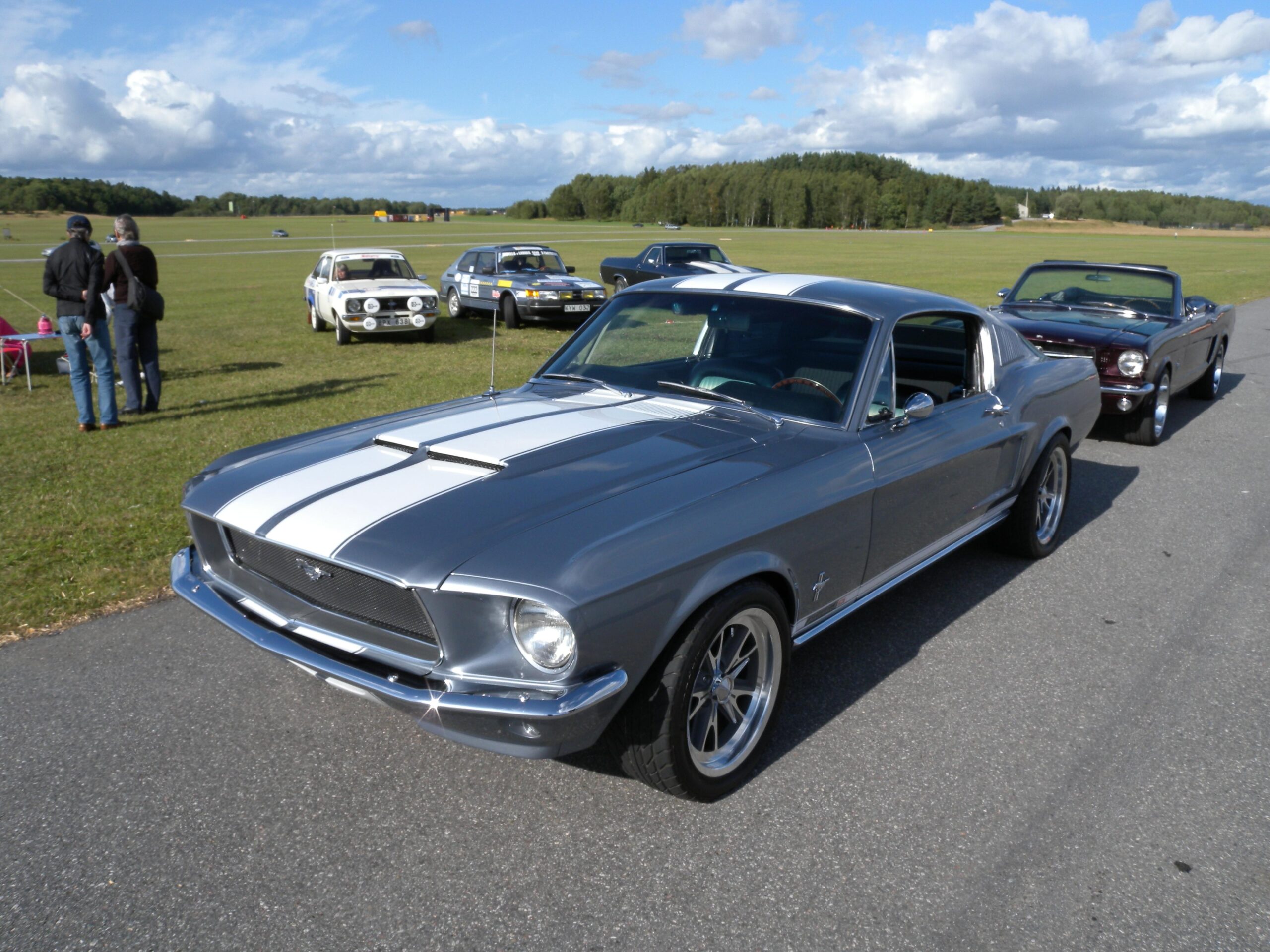
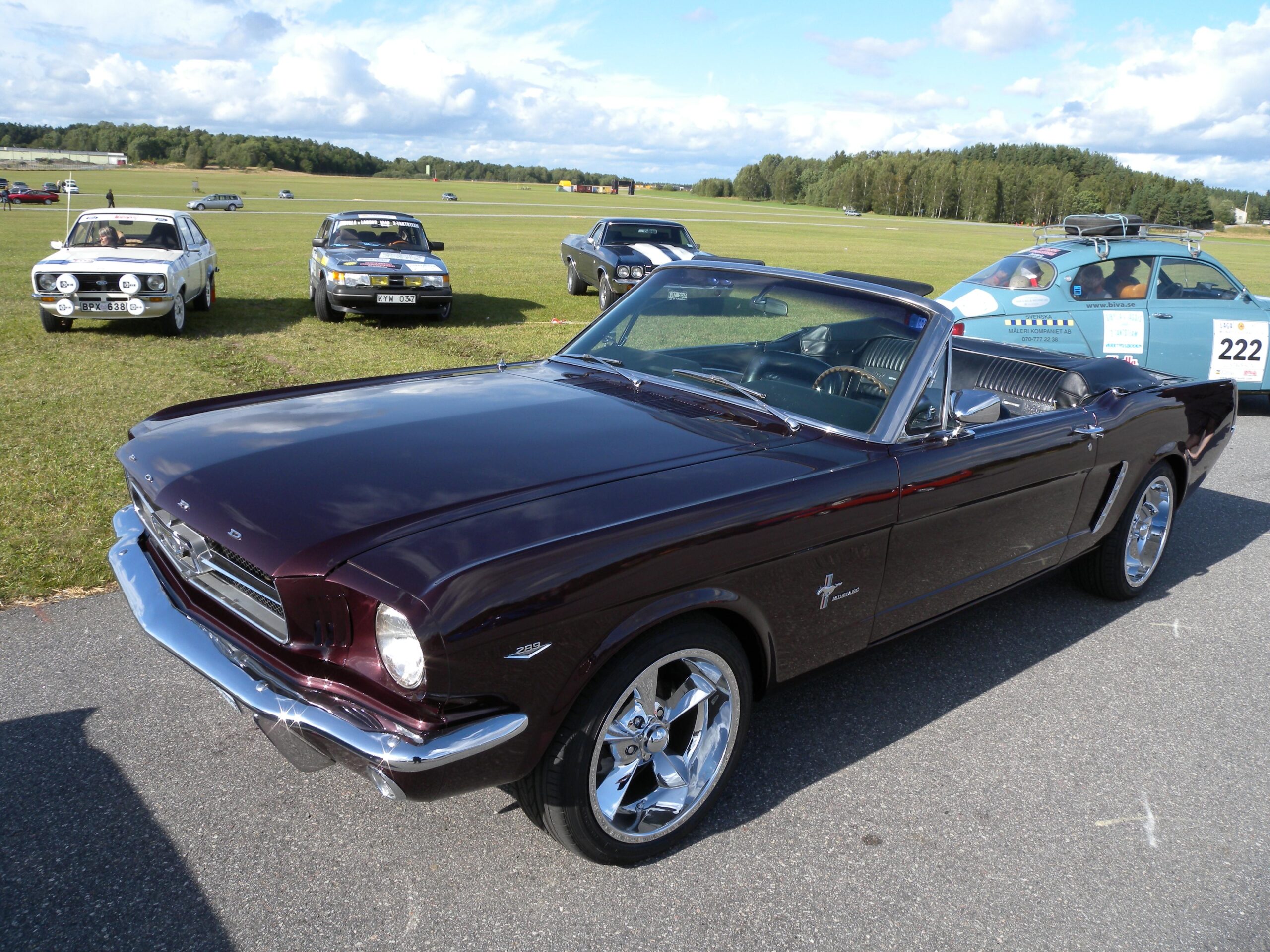
As expected there were plenty of American cars at the Barkarby Show this year.
[Hardback, read aloud to Adelle]
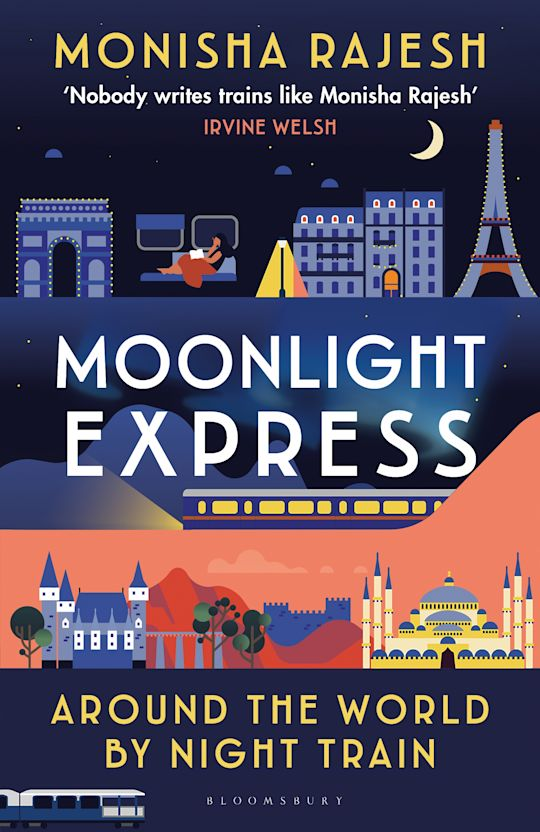
Moonlight Express, Around the World by Night Train, by Monisha Rajesh
We have long thought about going on sleeper train services, circumstances have conspired to make that impractical for us. This book was a way for us to experience some of the romance of overnight train journeys without leaving our house.
We have previously read Around the World in 80 Trains by the same writer. She has an infectious enthusiasm for train travel, wanting to learn what she can about her fellow travellers. Night trains are an easier context to strike up conversations.
She starts out on the route of the Orient Express, and most of her journeys are around Europe, where there is a resurgence of sleeper trains. There are many different styles of train and ticket class covered by the book, from seated sleepers to luxury cabins. And many different levels of service and qualities of train, some are shabby old stock contrasting with slick newly commissioned carriages.
The Nordic journeys were my favourites, one each in Norway, Sweden and Finland, that descent into the tundra from the civilised and built up south. Although the journeys in India and South America also sounded amazing, in very different ways.
She travels with a variety of people, her family and various friends she has met in her previous travels. Each companion bringing a different viewpoint to her travels.
Books like this feed my wanderlust, but are not the same as being there yourself.
This years show at Barkarby was a good deal smaller than last years, since the weather was quite horrible. Still, there were a few good cars out.


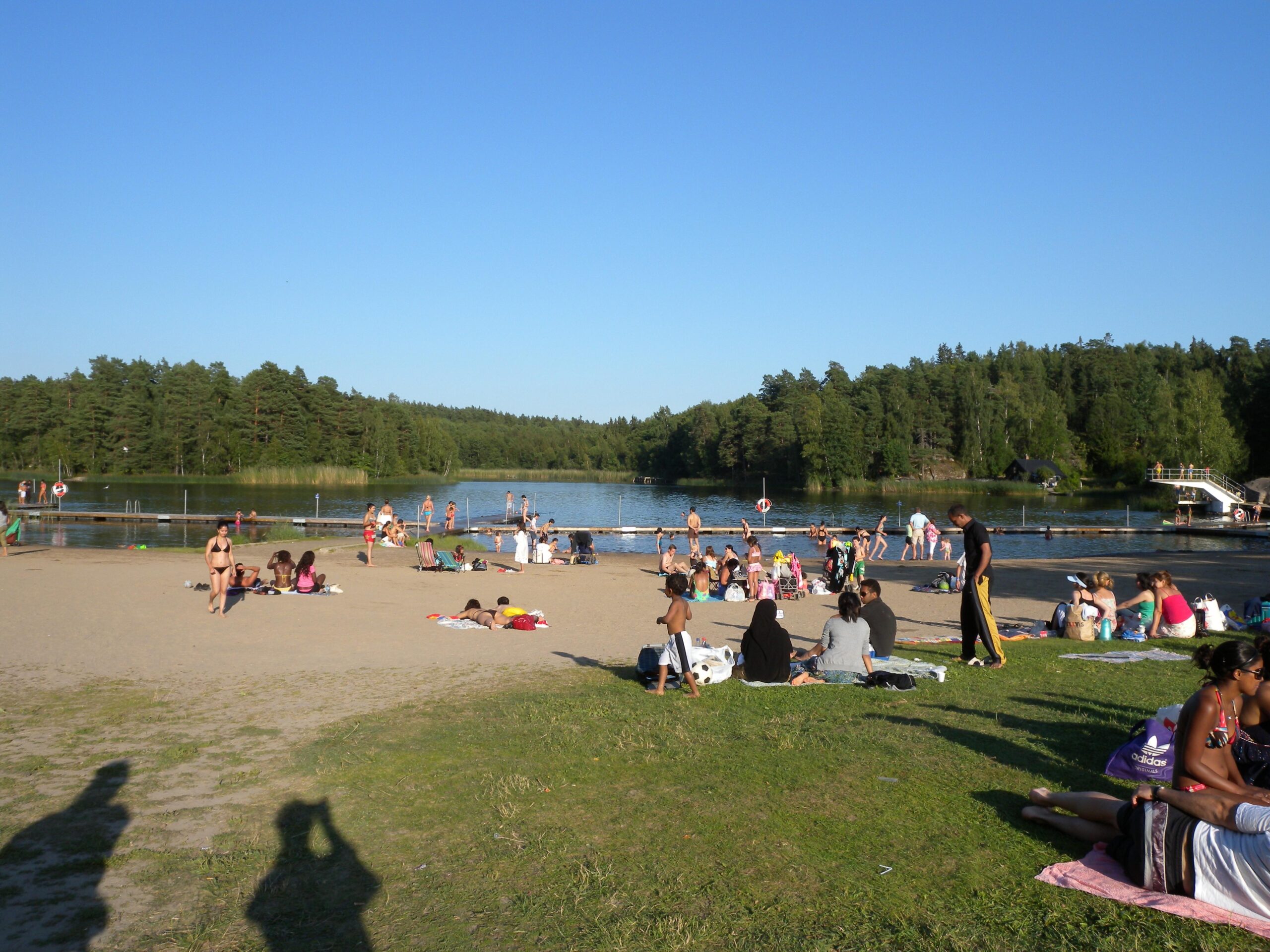
Not far from our new flat is a beach. By a lake this has a number of the facilities you’d expect to find at a seaside.
There were surprisingly few Japanese cars at Street Cars Fest.

As you would expect at a Street Car Festival there was plenty of ICE on show, though I’m not sure that I could see my way to dedicating the whole of my boot to such a system some of these things sound a lot better than the rattly over driven things you hear screeching around the ring road on a Friday night.

