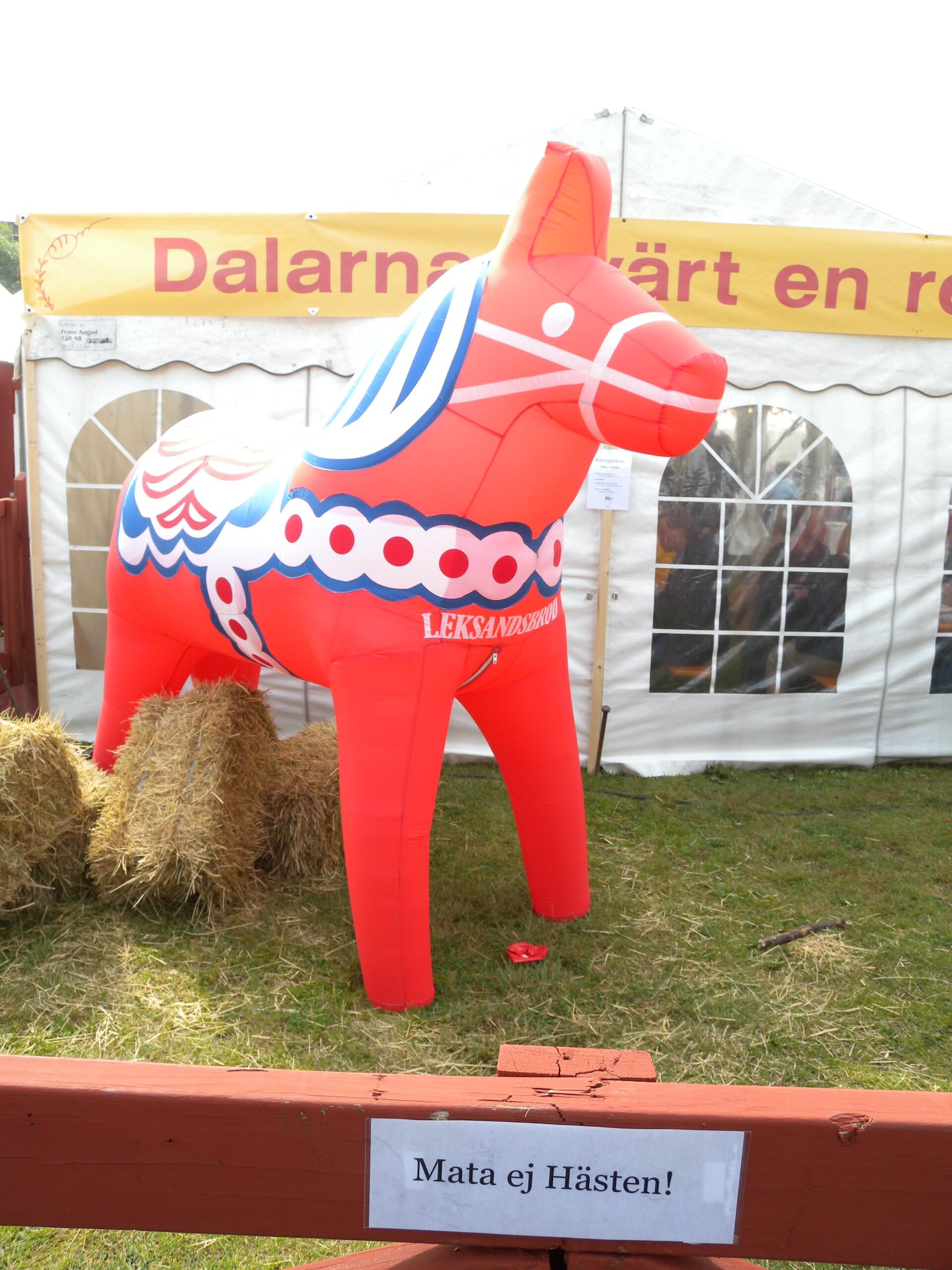
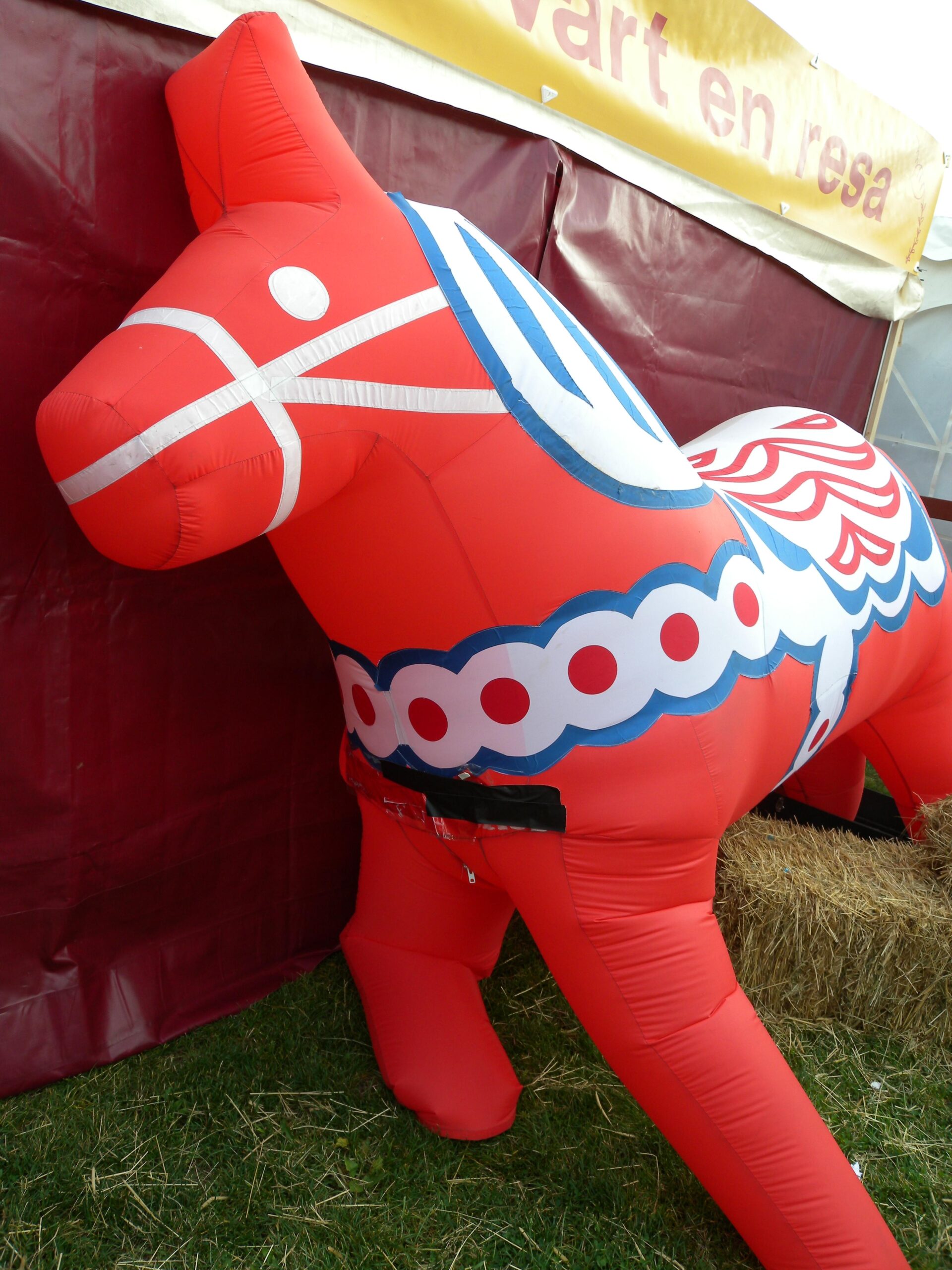
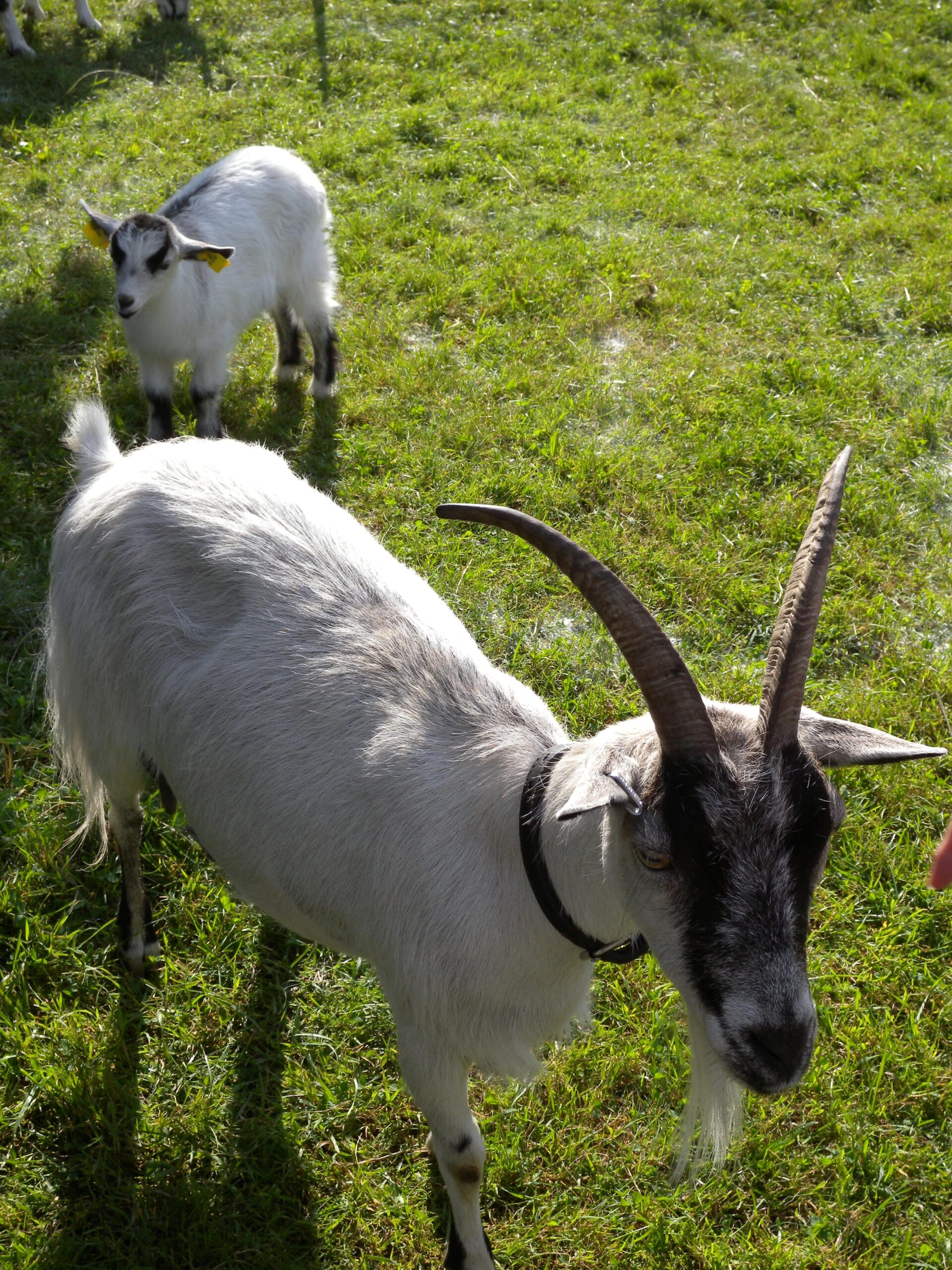
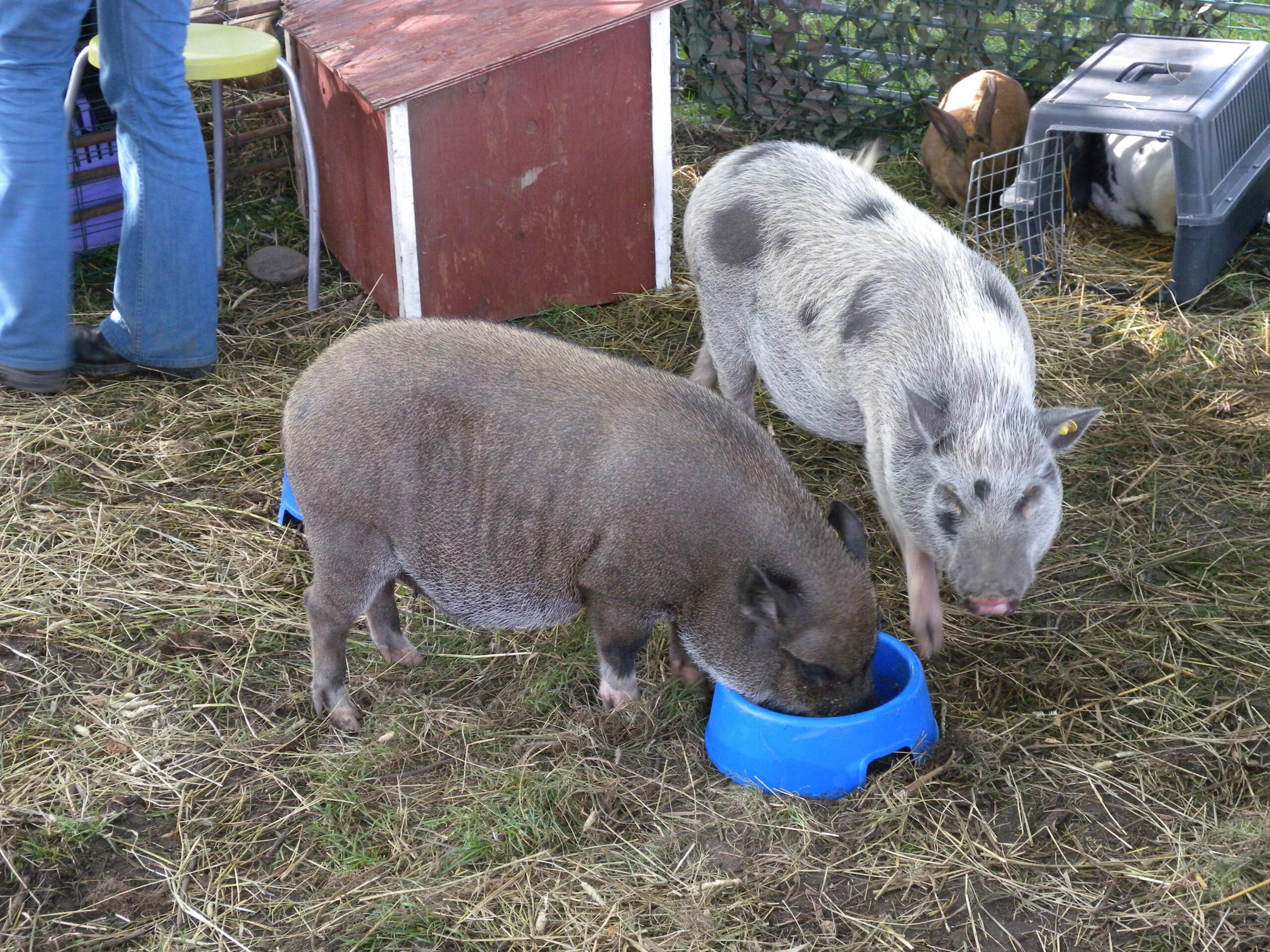
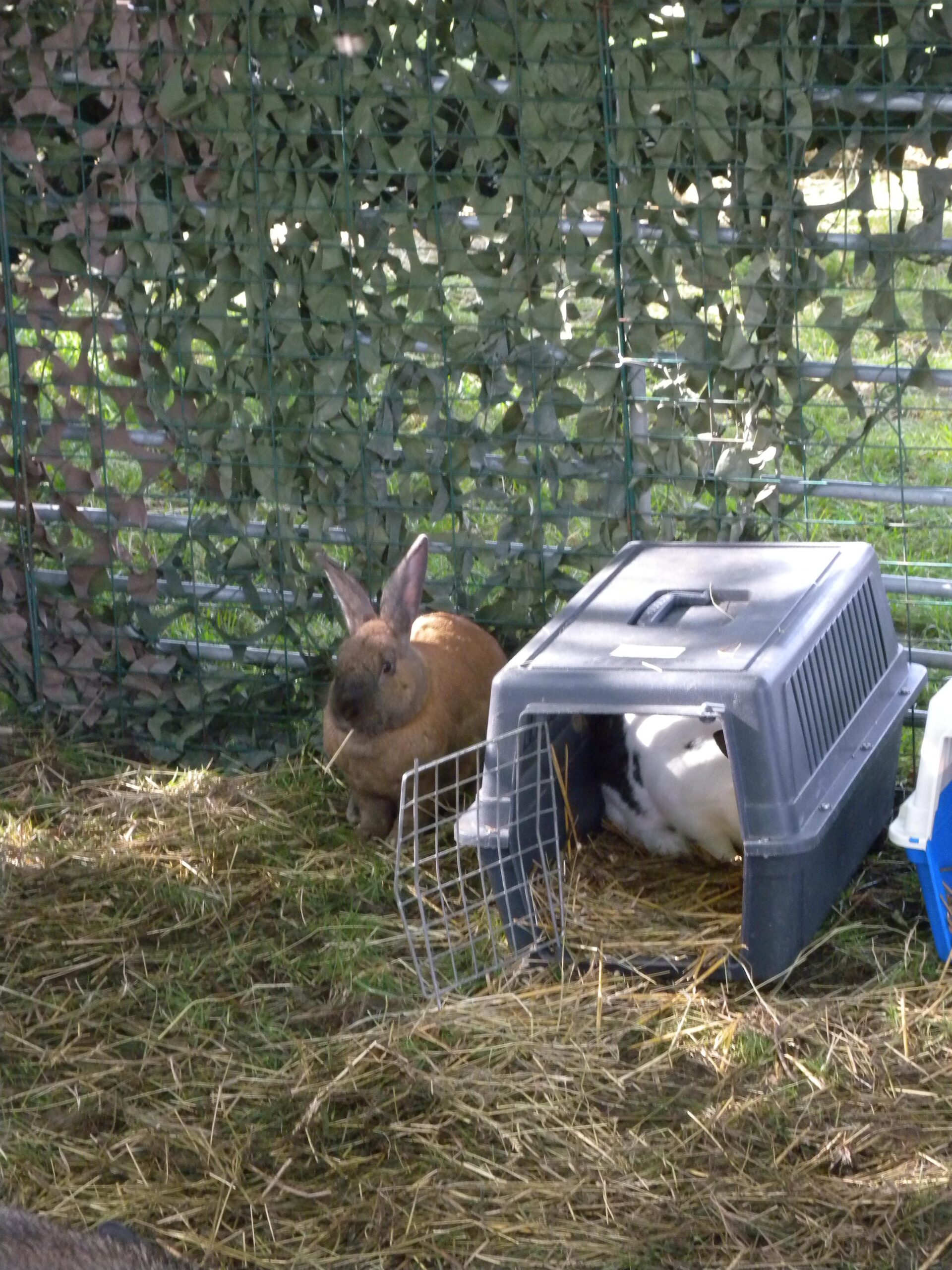
In the woods beyond Högbo bruk church I found something quite peculiar.


In the woods beyond Högbo bruk church I found something quite peculiar.


Over the road for Högbo bruk is a small country church.


[Softback, read aloud to Adelle]
Notes from an Island by Tove Jansson and Tuulikki Pietilä
This is a short book, part diary, part memoir, about the settling of Tove and Tooti on the island of Klovharun, and their subsequent life there.
It starts with the discovery of a desolate island and their choice to move there, followed by some notes from Tove and their builder Brunstrom, about the building of a cabin.
The island itself is small with a rocky outcrop, where they built the cabin, and a lagoon in the middle. Their life there is a constant battle with the sea, storms will undo much of whatever work they are trying to do, washing boulders they gathered for a landing back out to the water.
The life they had on the island is sometimes tranquil, away from other people, they never received visitors. But it was also exhilarating, waiting for the squalls they know are coming.
It was an ideal setting for their creative endeavours, Tove being the writer and artist behind the Moomins and Tooti a watercolour artist and sculptor of wood. They shared their life together with joy, Tooti especially laughing at and about all sorts of things.
While this is culturally closer to Through Finland in Carts than The Island House, being of a time before modern communications, although they did obtain a radio telephone toward the end of their time on the island, there is some parallels with the latter. In which Mary Considine talks about taking over their Cornish island from two ladies who had settled it before them – who would have been there at a similar time to Tove and Tooti settling Klovharun. And many of the challenges would have been familiar.
Overall, a slightly quirky book, as you would expect from the creator of the Moomins, with diary excerpts, from their builder as well as Tove, and descriptions of daily life, there just isn’t enough of it. I wanted to find out more.
As a side note, I discovered that Tove illustrated the Swedish version of The Hobbit, which lends it a rather different air than the English language version.

We wandered some more around the grounds at Högbo bruk.


We went to Högbo bruk, a former iron working site and one of the seeds of Swedens industrial revolution, now a recreational area.


We stopped again at the Dragon Gate services, with a little more time to explore this time.


After the Rosendal Slott car show we stopped at Gröna Lund.


To the south of Djurgården is the Baltic sea.


[Read aloud to Adelle, although my pronunciation of the Icelandic words and place names leaves rather a lot to be desired]
The Raven’s Nest, an Icelandic Journey through Light and Darkness by Sarah Thomas
This book follows the discovery of a new land by the writer, a land of wonder, of love, of darkness and isolation, of community. She recalls the story of how she found her way to falling in love with a member of the community in Iceland, and came to join that community herself.
There are a few stories interwoven here, about her marriage, about her moving to the Westfjords area and becoming a part of the community there, about their house and how they make it their own and about coming to terms with the landscape and the cycle of winter and summer.
Their marriage is a touching story about falling in love easily, only to find keeping that love going through depression and winter darkness is much harder. His family are supportive, helping with the buying and renovation of a house for them to live in and giving her an insight into the community nature of living in rural Iceland.
Life there is pastoral, with families helping each other with sheep gatherings and the moving of houses, literally, the cover shows a summer house being floated to another fjord. To go with this there are some brutal animal welfare moments, which might be best avoided if you care much about animals. The attitudes are very different from those we are used to in this country.
She describes the Jekyll and Hyde nature of summer and winter in the far North, with much tourist activity over three short summer months sustaining the economy for the remainder of the year – there is no opportunity to relax during the season. While the winters leave whole towns in shade for months, the first sun shining in the valley a portent of the summer to come.
This reminds me in many ways of our time in Sweden, where they have two modes, preparing for midsummer or preparing for Christmas. Joy and gloom in near equal measure on an annual cycle. Indeed, much of her story of integration into local society and culture had parallels with our time in Stockholm, hers amplified by greater latitude and more isolation.
It took her a long time to become a part of the community – there is a tradition of the local newspaper running a story on incomers, but they wait until they are sure they are going to stay for a while. This acts as an introduction to the entire town, a place of 2,600 people where everyone knows, or at least knows of, everyone.
There are not many jobs that can be done year round by non-Icelandic speakers, so she used her other languages to work as a tour guide for cruise ship passengers over the summers while she still kept to her film making and art over the winters. After a couple of years she suddenly noticed that she was conversing in the local tongue and was fluent enough to take a job as a florist at the department store.
The book is a charming window into the life of the writer, she is open about her feelings and experiences, expressing surprise and confusion at some of the customs, but also bringing local knowledge to the explanations. She obviously looks back on her time there fondly, albeit tempered by the ultimate failure of her marriage and move to the country. This is not a spoiler, she tells us in the first chapter about how she is packing up her house to leave – without which the end of the book would be a harrowing emotional journey. At the time of writing she clearly still loves her husband, Bjarni, but the life there doesn’t work for her, for them together.