Some way to the north east of Stockholm is the small settlement of Vira Bruk (Swedish), a small waterfall and mill dating from the 17th century hiding in the forest.


Some way to the north east of Stockholm is the small settlement of Vira Bruk (Swedish), a small waterfall and mill dating from the 17th century hiding in the forest.
The suburb of Åkersberga is at the end of the Roslagsbanan, there are signs toward a borgruin, but when I tried to follow them I couldn’t find it.


The Jul market at Gröna Lund was somewhat less authentically Swedish than the one at Skansen.


We went to the Jul market at Skansen, where we entered the cheese lottery and won a miniture cheese grater. We gave the sausage lottery in the next hut over a wide berth


Some more snow in Kista, outside my office this time.

In the snows before christmas we visited Steninge Slott once again, as well as the snow outside, there was a Jul Market in the barn above the shop and cafe.




[Audiobook]
Jet Man – The Making and Breaking of Frank Whittle, Genius of the Jet Revolution
This book follows the genesis of the jet engine from idea through to implementation. A fraught journey lead by the tenacious but unstable Frank Whittle.
It starts with his vision for an interceptor plane powered by a new type of engine which could climb higher and fly faster than anything available at the time. A vision based on a research paper that was considered overly theoretical at its publication.
His background with building and flying model planes, and subsequent start of a career as a mechanic and technician for RAF planes stood him in good stead for understanding the practical requirements for the construction of such an engine.
He finds himself in conflict with an established aero industry who don’t believe in his abilities and there is a running battle with Rover over the productionisation of the engine. And the role of Rolls Royce in the development and production of the early engines explains their position as one of the major manufacturers of jet engines in the modern world.
This book captures the drive and enthusiasm of Whittle while also making clear how fragile and tenuous his grip on sanity was, he comes over as arrogant, frustrated by the interactions with so many lacking his level of insight. I get the feeling the point of view is biased toward him, and that many others involved would have different opinions on how things played out.
The reading itself was a little stilted, with attempts at portraying BBC English from the time missing the mark, clearly spoken but lacking some fluidity.
In the grounds of Haga Slott is the Fjarilshuset.


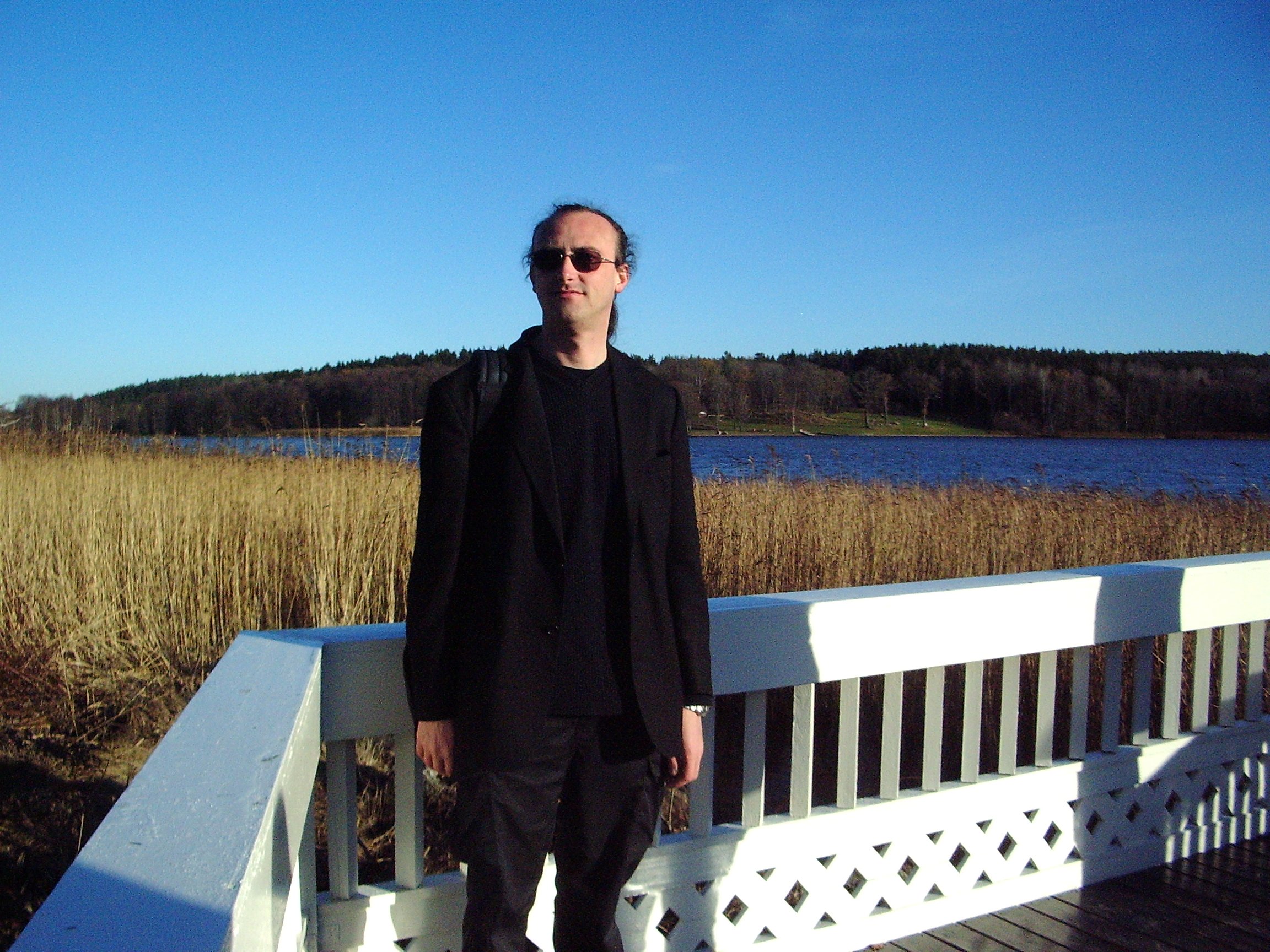
We went to Steninge Slott again…heres some evidence I was actually there.

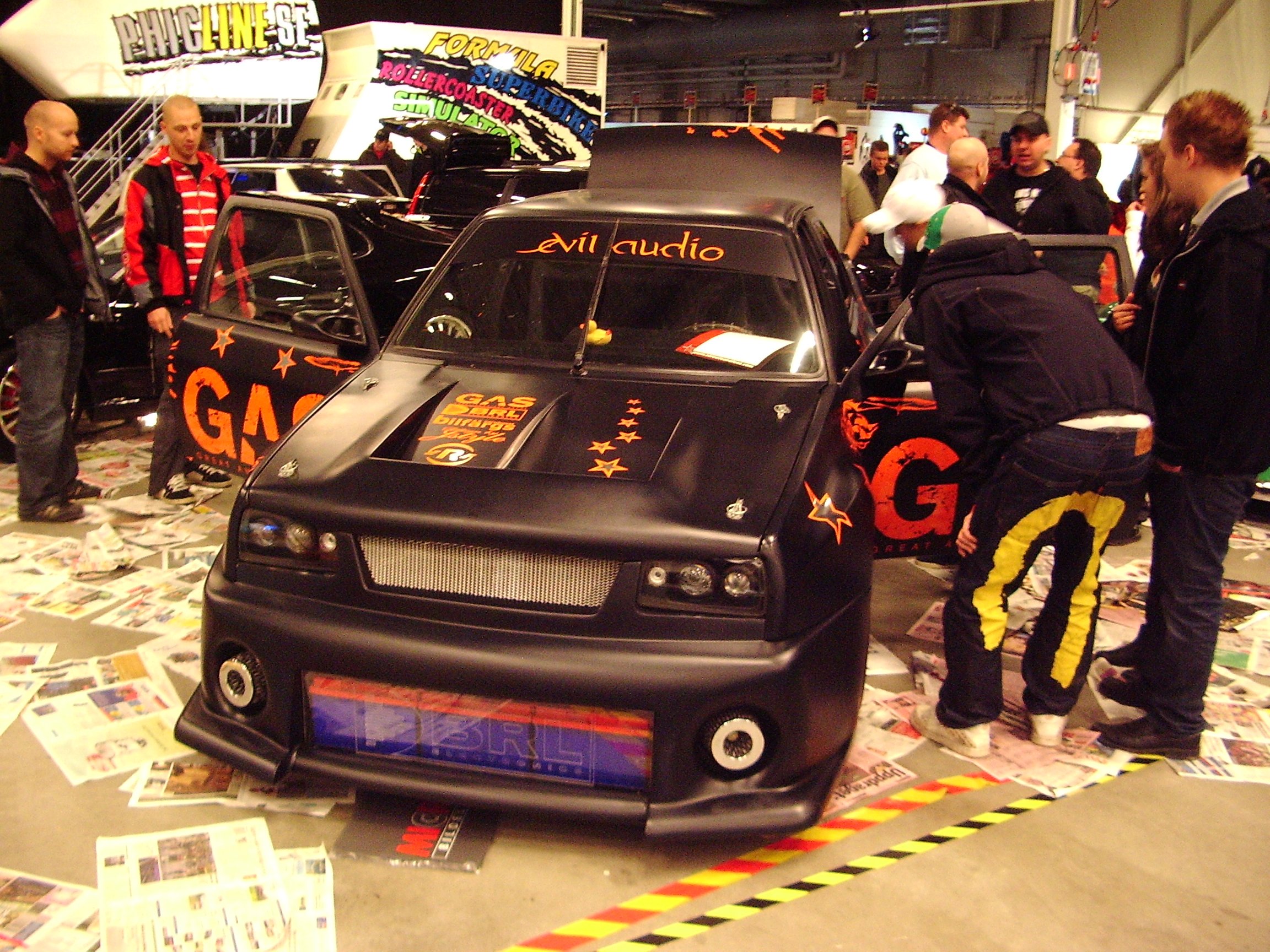
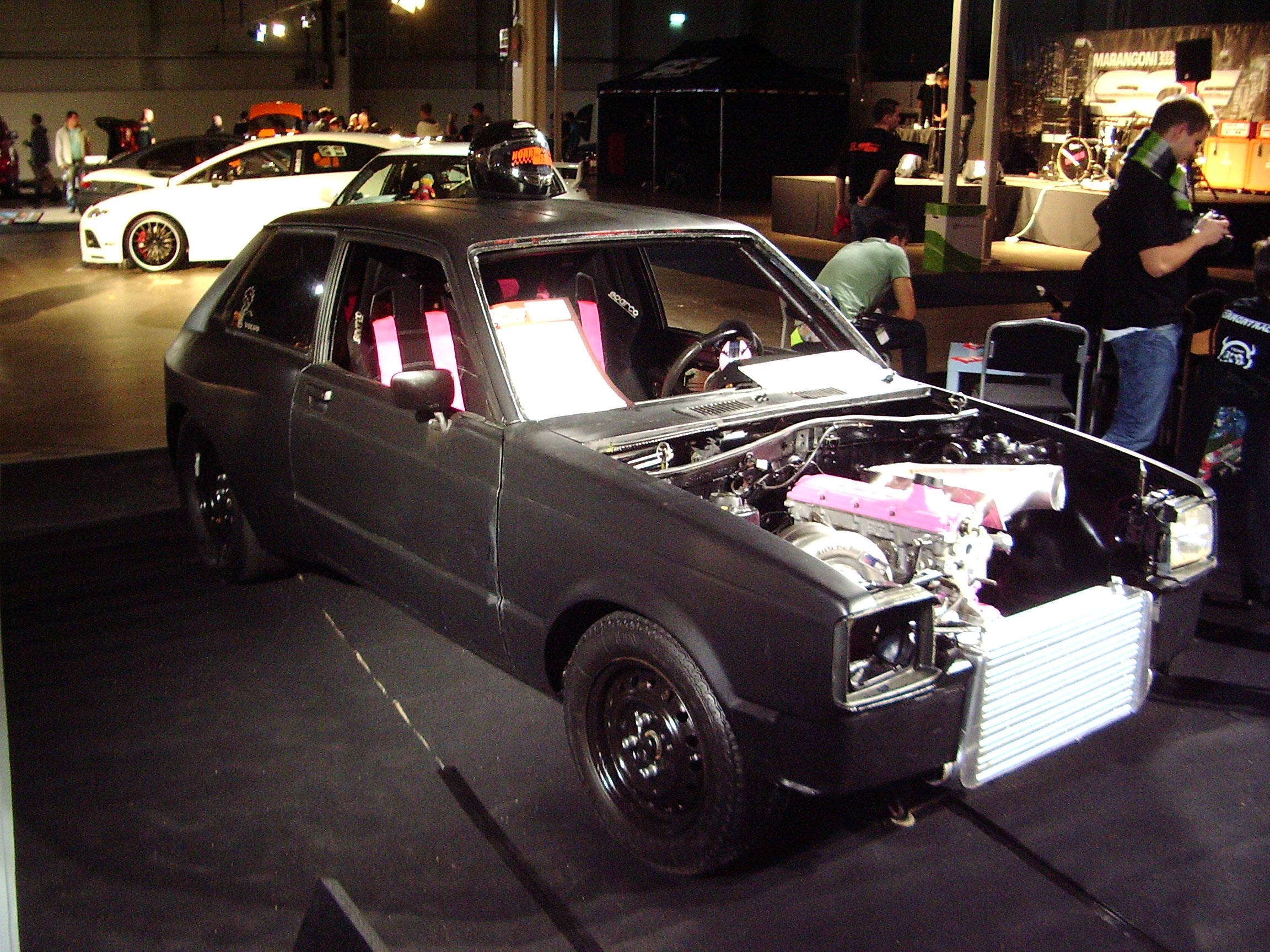
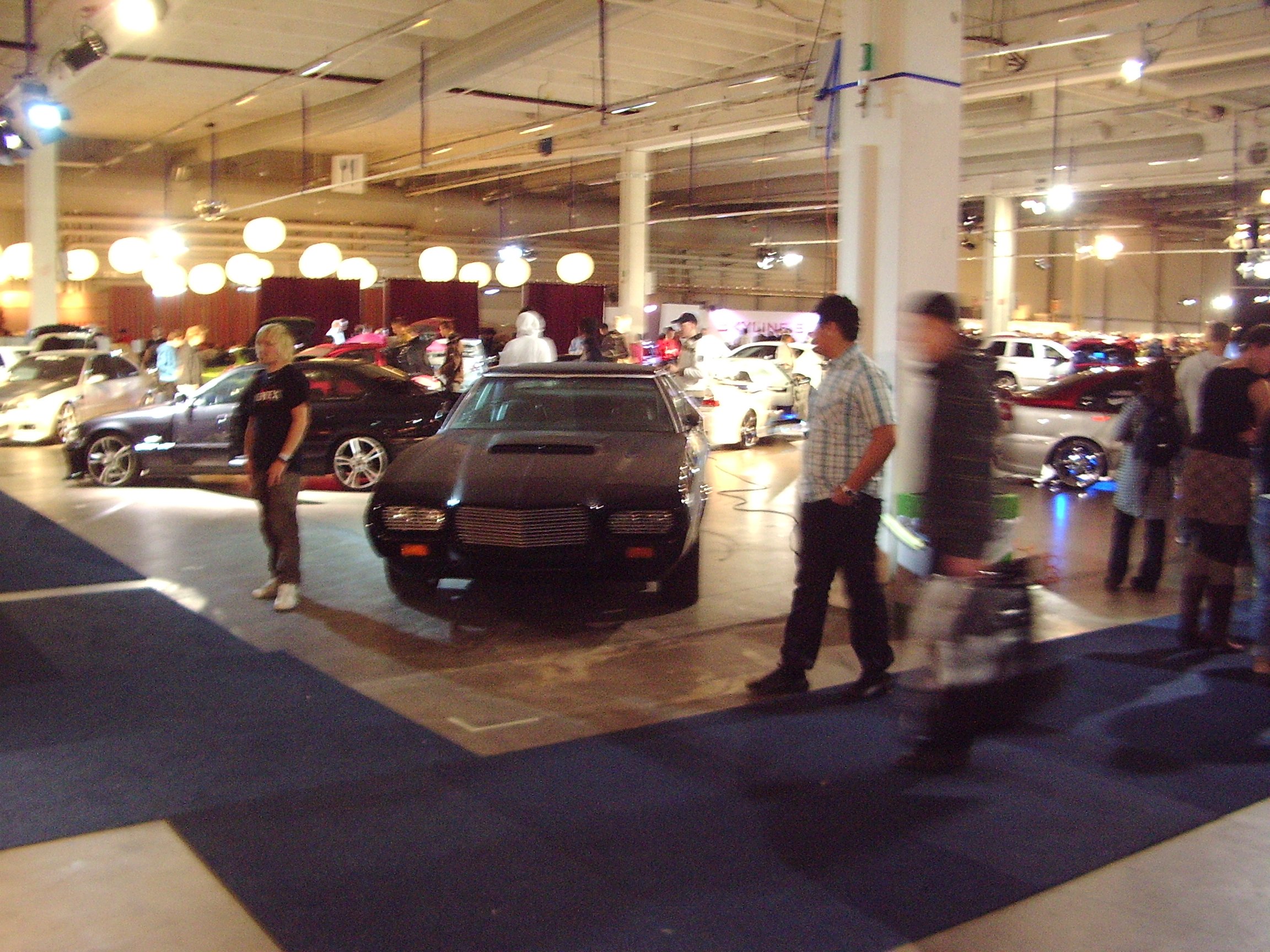
This years autumn Street Cars Fest had moved from Sollentuna Mässan to the new Kista Mässan.