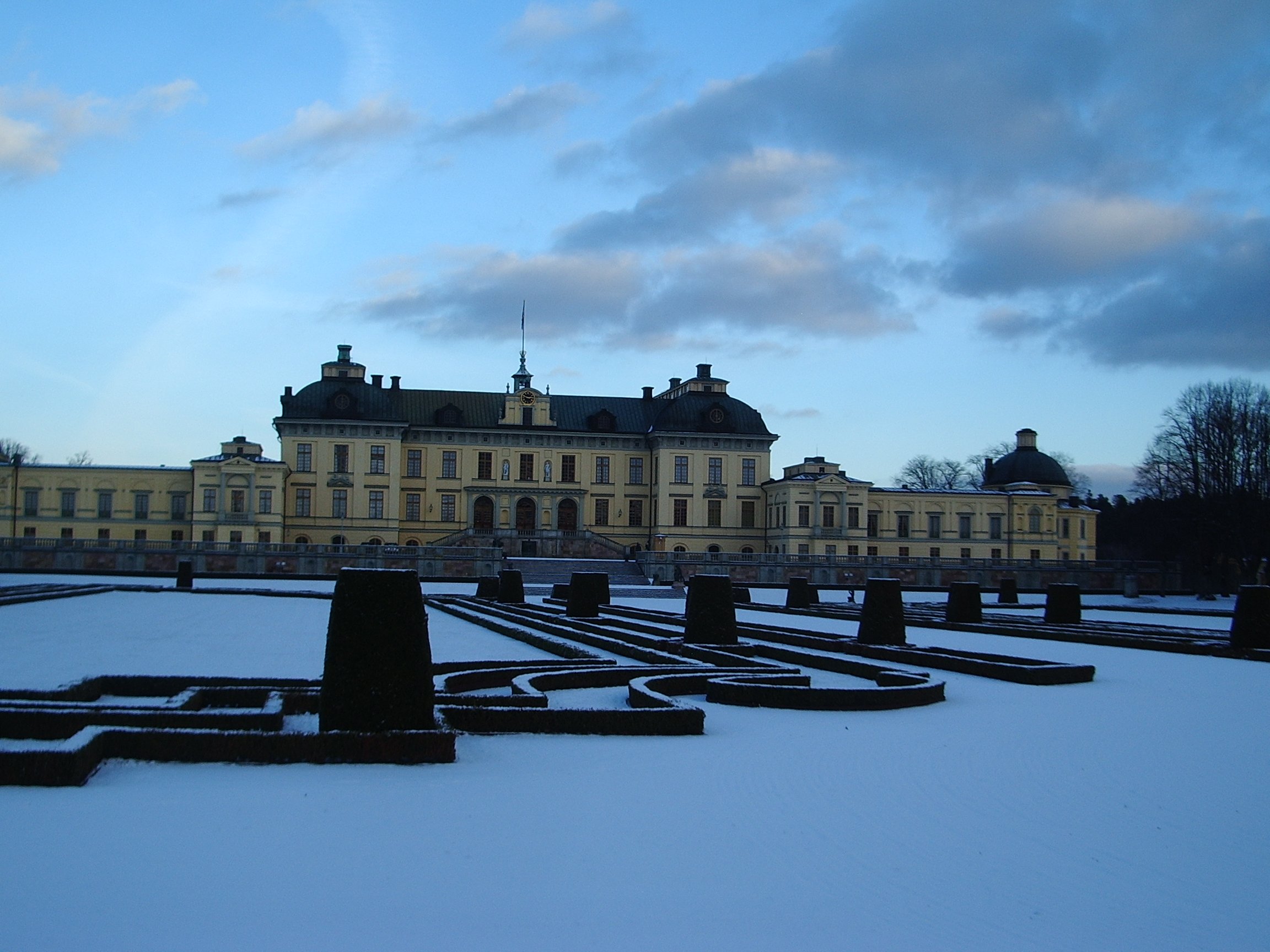
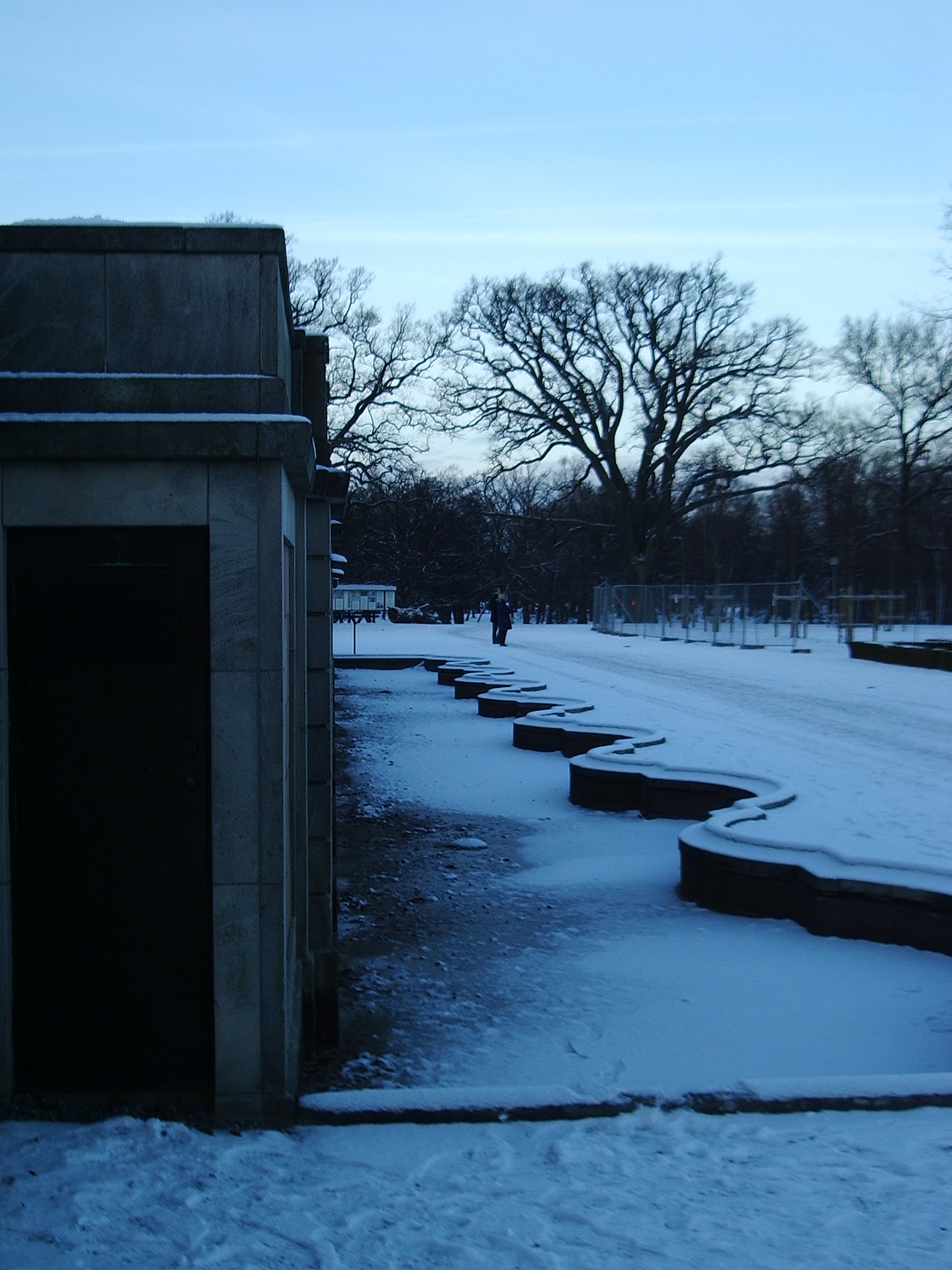
A walk around the gardens at Drottningholm in the snow.


A walk around the gardens at Drottningholm in the snow.
We went back to Drottningholm Slott after the recent snowfalls. It makes such a difference to see them covered in snow.


[Read aloud to Adelle]
This book revolves around Rez, the lead singer of the Lo/Rez pop group, with two main story arcs following Chia, a fan club member from Seattle, and Laney, a quantitative analyst of data. Both brought to Tokyo because of rumours of the marriage of Rez with Rei Toei, the titular idol.
Chia accidentally gets caught up in the smuggling of contraband into Japan, her naiveté rapidly waning as she discovers more about her travel companion.
Laney is recruited for a job watching the data stream of Rez, whose life creates a functionally non-existent data exhaust, nothing onto which Laney can latch his insights.
While this is solidly set in a cyberpunk future, it is more a story about the coming of age and loss of innocence of a young fan-girl travelling to unknown lands, and encountering an underworld she had never known the existence of, for the first time.
There is also a commentary on the creation of follies by the wealthy, Rez builds a real version of a virtual site, itself based on the real Kowloon walled city – a notorious lawless slum demolished even before the writing of the book and replaced with a park.
I love being immersed in these cyberpunk futures, this a little less dystopian than most I read. The story here is gentle, almost charming, were not for the Russians trying to reclaim what they think of as rightfully theirs.
Sergels Torg is one of the central squares in Stockholm, to the left of this picture is the Kulturhuset where we found the abandoned chess club.

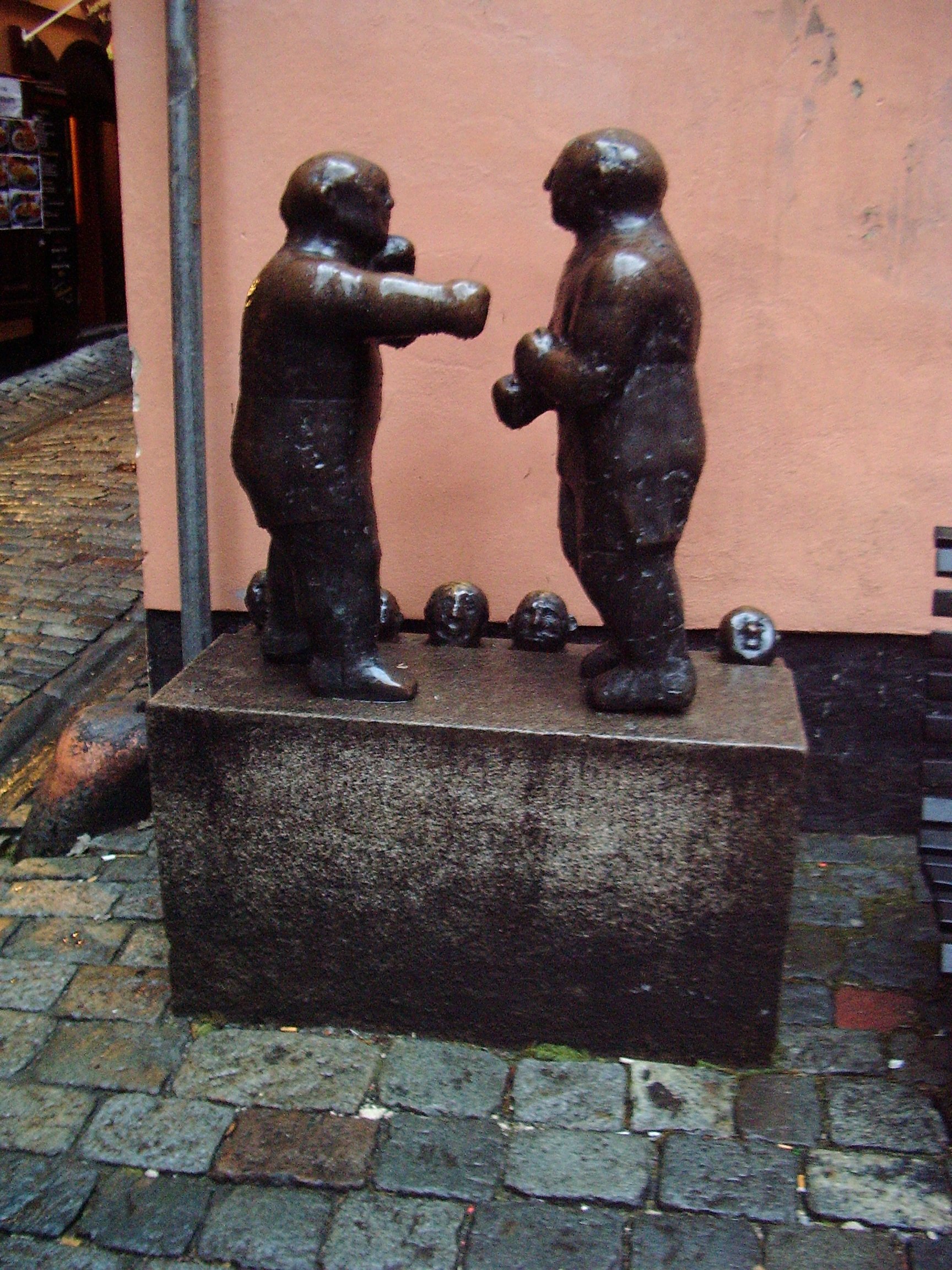
We found some more backstreets in Gamla Stan, always more surprises.


By the church at Edssjön is a runestone.

I stopped at Edssjön before, on my way back from Runsa, but there was a wedding going on so I didn’t get a chance to explore. Not that there is a lot to see there.


To the north of Akalla, is a nature reserve with the Barkarby Flygplats in one corner.


This is the first year I have reviewed all the books I have read (well, all bar two, reviews of which will be coming up over the next couple of weeks) – so time for a look back at those reviews.


At the bottom of the Vira Bruk waterfall is an old mill, no longer in use but with a lot of infrastructure still intact.


