It was the hottest day of the summer when I went to find the classic car show at Tullinge Airfield.


It was the hottest day of the summer when I went to find the classic car show at Tullinge Airfield.

The Island House by Mary Considine
[Read aloud to Adelle]
We picked up this book during our recent holiday in Cornwall, wanting to know more about what life in the county is like.
This book chronicles the life of a London couple who want to drop out of city life. They get an agreement from the islands owners that they can live in a house on an island in return for renovating that house.
The island in question is now owned by the local Wildlife Trust, is half a mile off the south coast of Cornwall and has only three houses. They have childhood memories of visiting and holidaying on the island, when it was owned and inhabited by two sisters.
Life on the island revolves around the temperament of the sea, with deliveries and return to shore only possible when the tides and weather permit. Keeping the house habitable a constant battle with salt and decay, workmen from the mainland need a flexibility to bring their crafts to the house, never mind equipment and materials.
Summer is a time of joy, though, with day visitors to the island and plenty of outdoor time. Winter, however, can be isolating. Less isolating in modern times, with communications that allow the internet to reach well enough across the water to enable the running of an online business from the island.
There is a history of the island, recording most of the notable inhabitants, including the time it spent as a destination for pilgrims – the chapel is now just a patch of flat ground at the top of the hill – and stories of smugglers and shipwrecks.
What is clear is that it takes a certain attitude to life to be able to successfully live somewhere like this island – there is no mains water or electricity, you are at the whim of the generator. More, it takes fitness and stamina. When these start failing they are confronted with a difficult choice, to give up the life they love or struggle on, with the risk of more burden on the air ambulance and lifeboat.
Insight into the trials of a what looks, from a city, like an idyllic life – read this before deciding to give up everything and live on an island.
We found some Papier-maché monsters outside the hippie house in Jamtli.


The open air museum at Jamtli also has some more modern exhibits than those at Skansen.
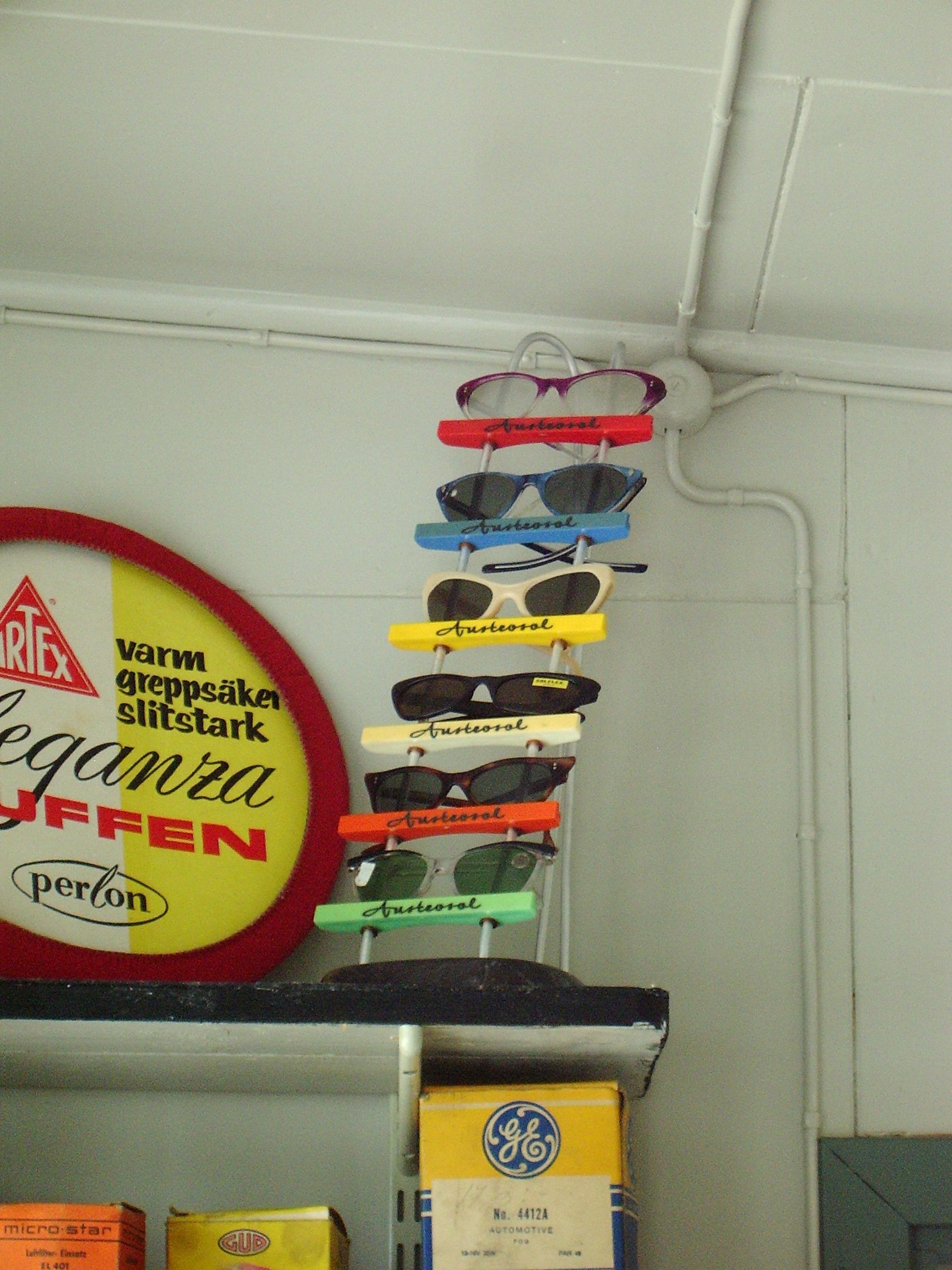
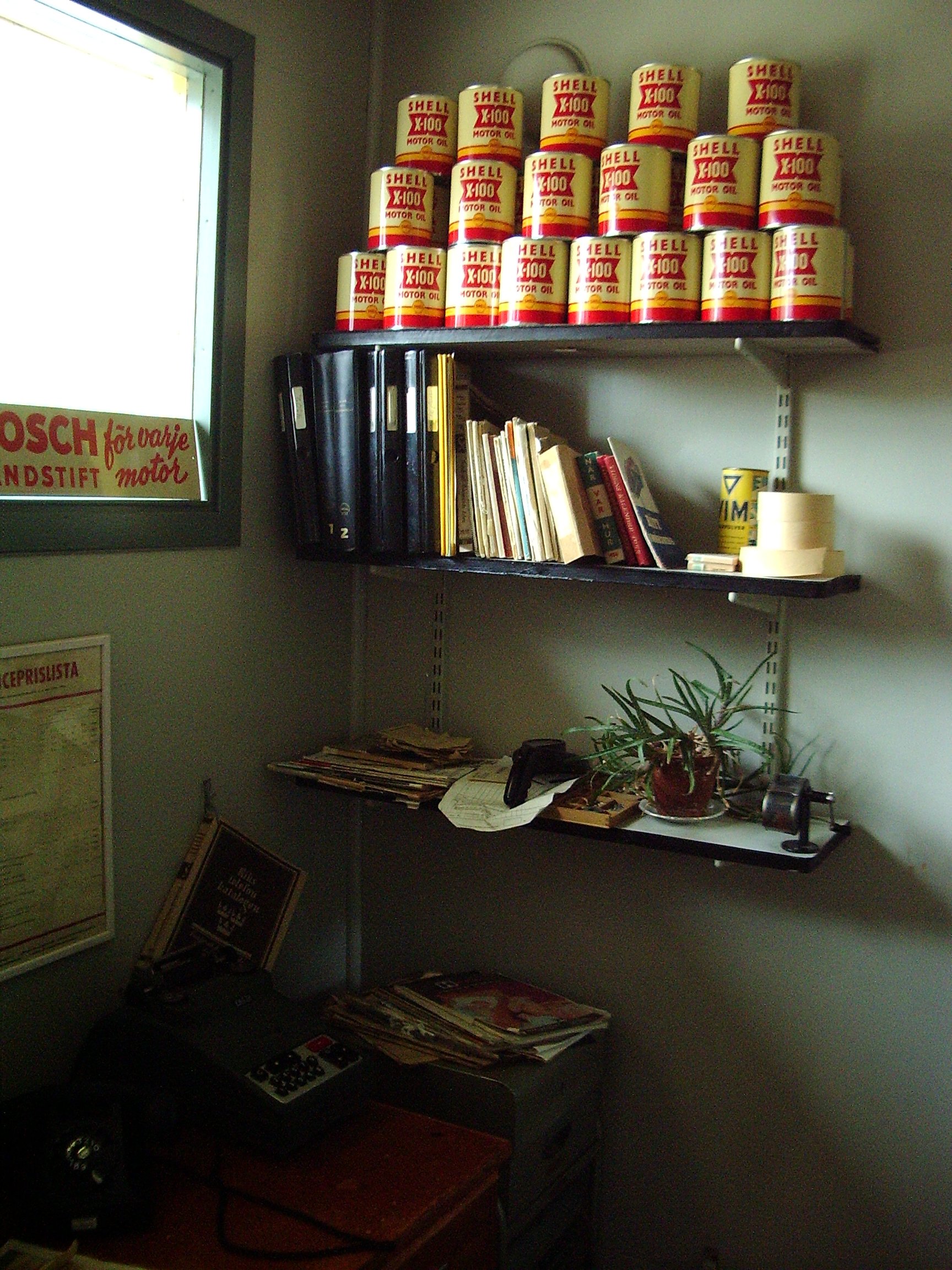
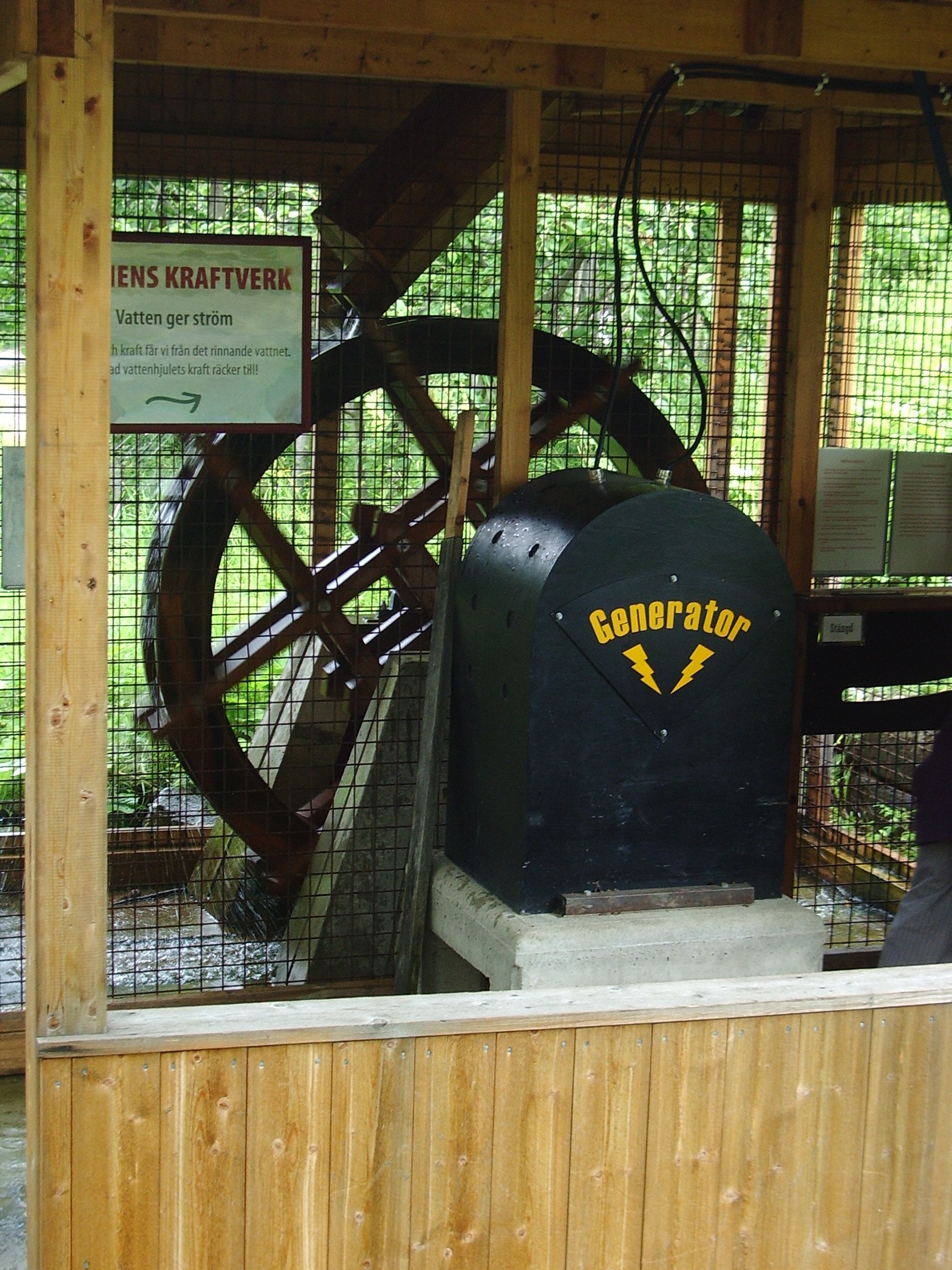
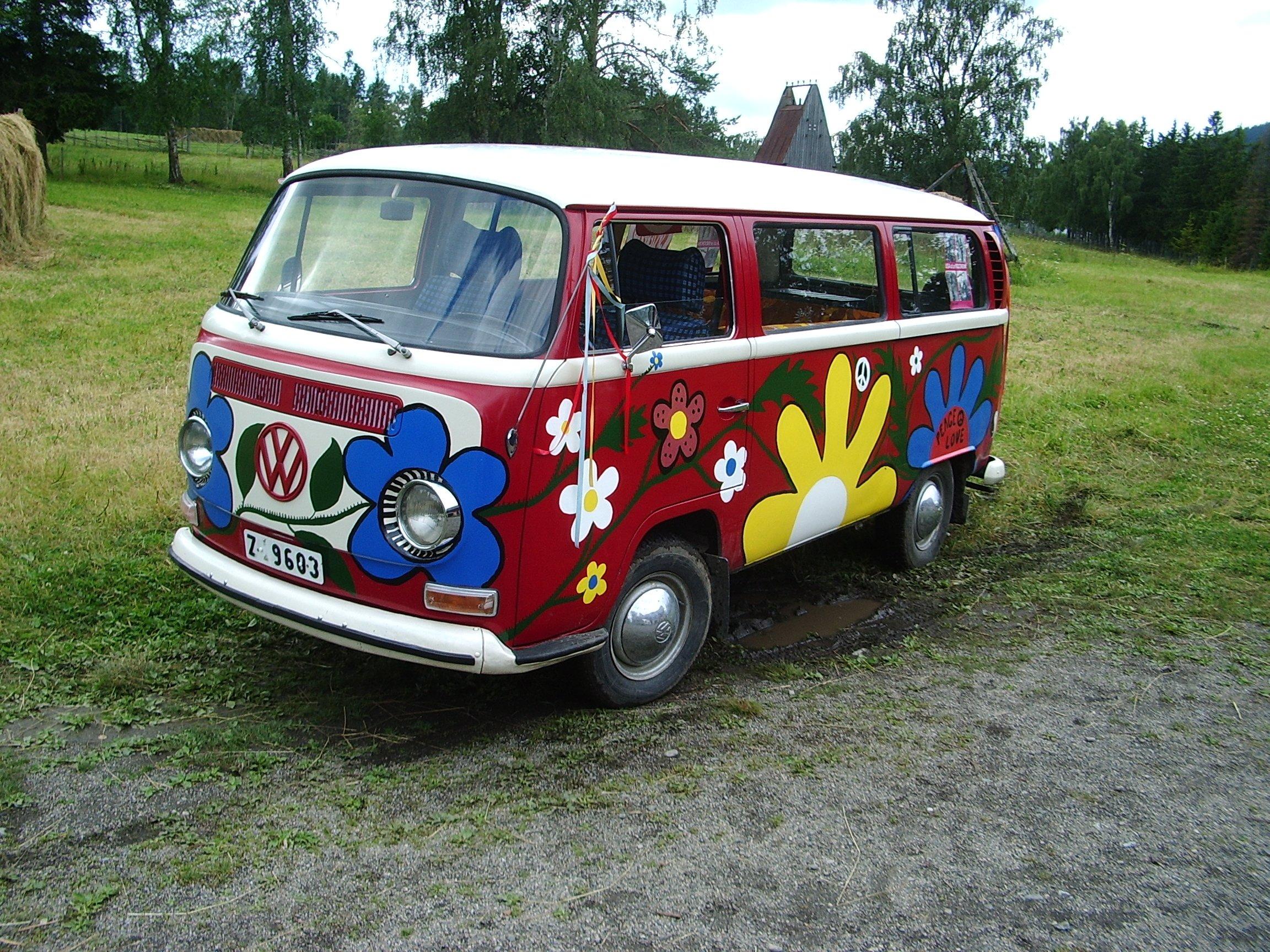
On the north side of Östersund is Jamtli, an open air museum somewhat like Skansen.


I found some Ugly Wood Art on Norderön and Frösön.


The rune stone on Frösön is the most northerly rune stone discovered so far.


Over the Storsjön from Östersund is the island of Frösön.

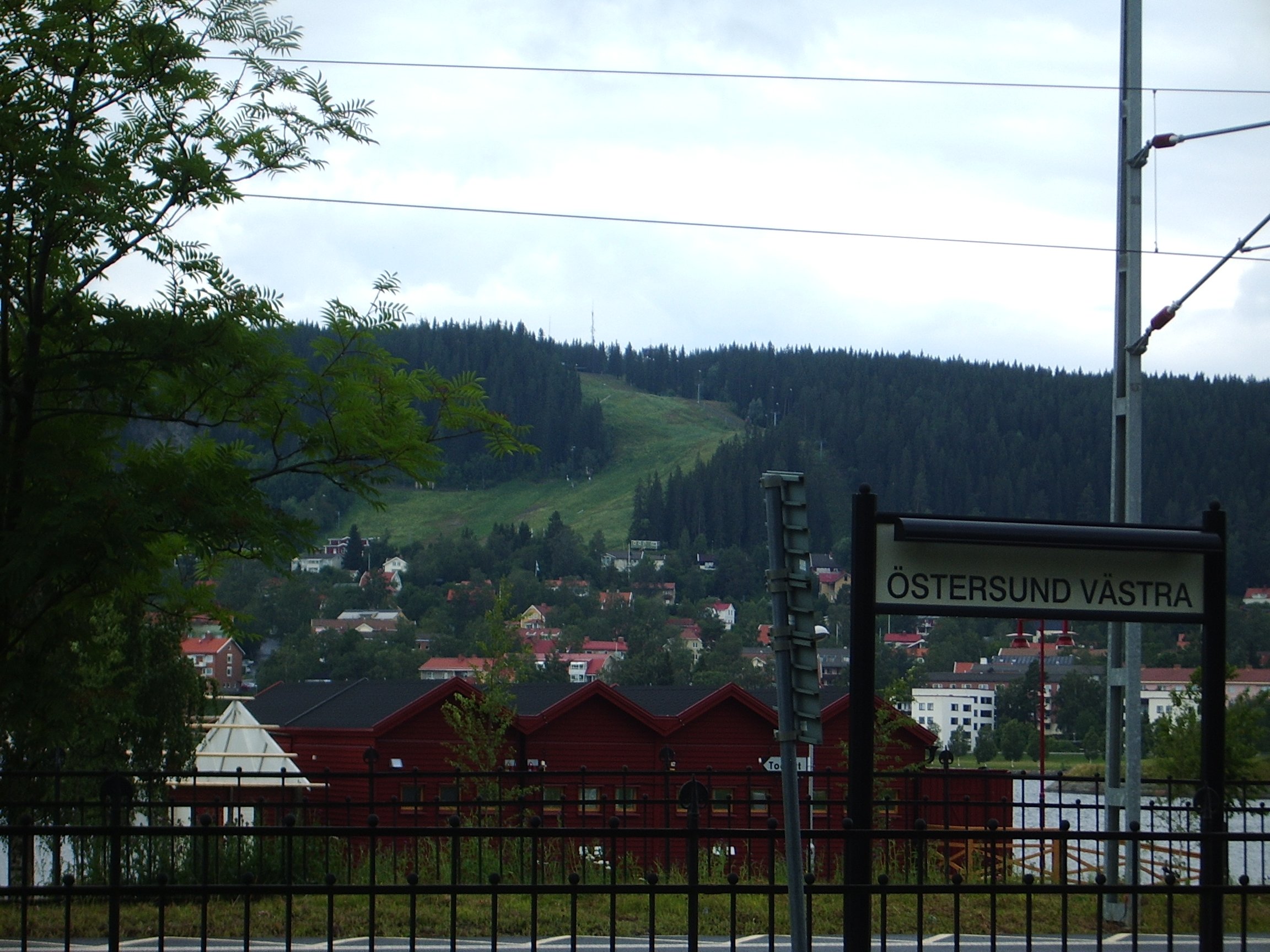
After we finished with the Vikings we stayed in the city of Östersund.
Sun shining through the ‘chimney’ of the Longhouse.


