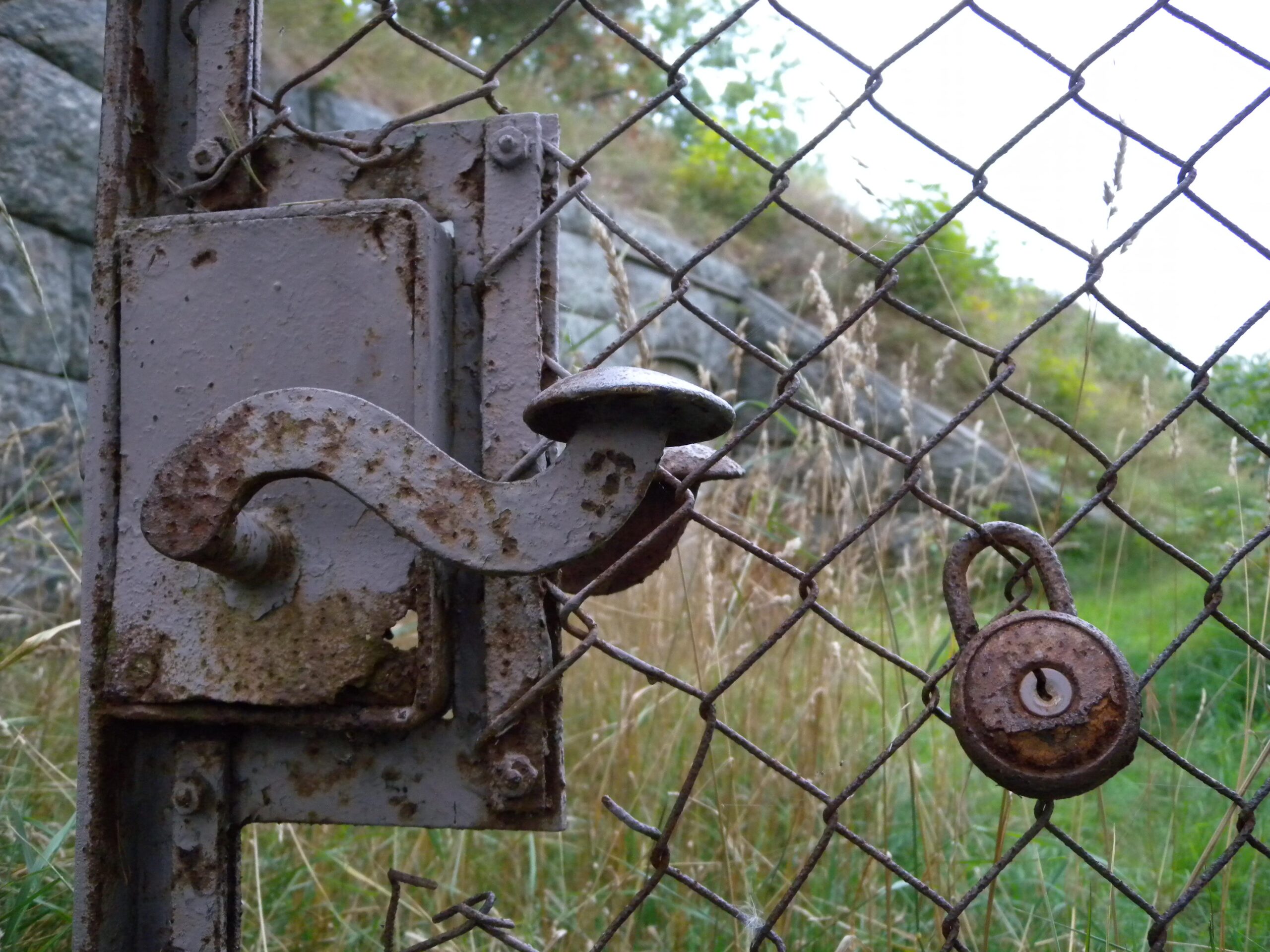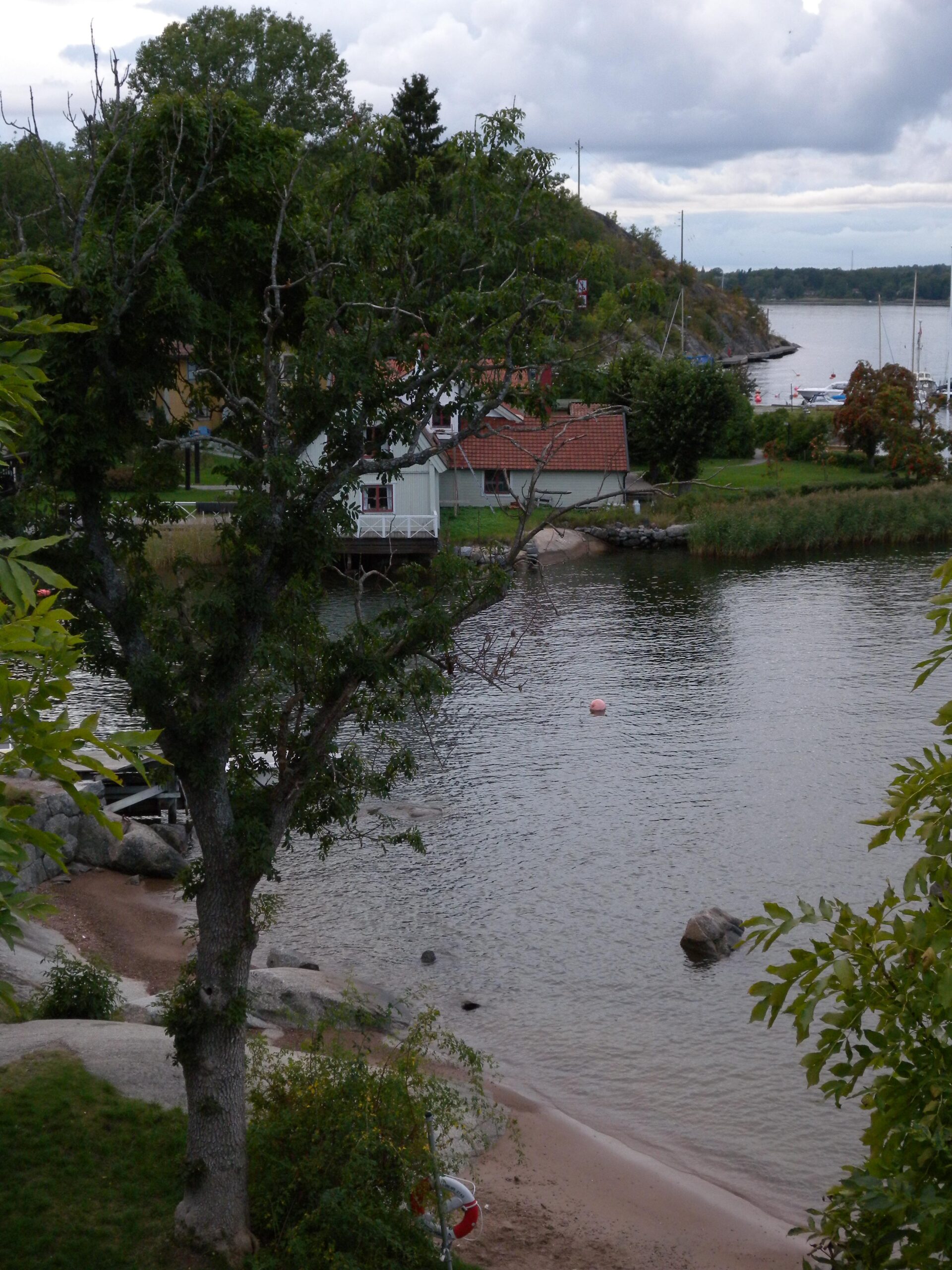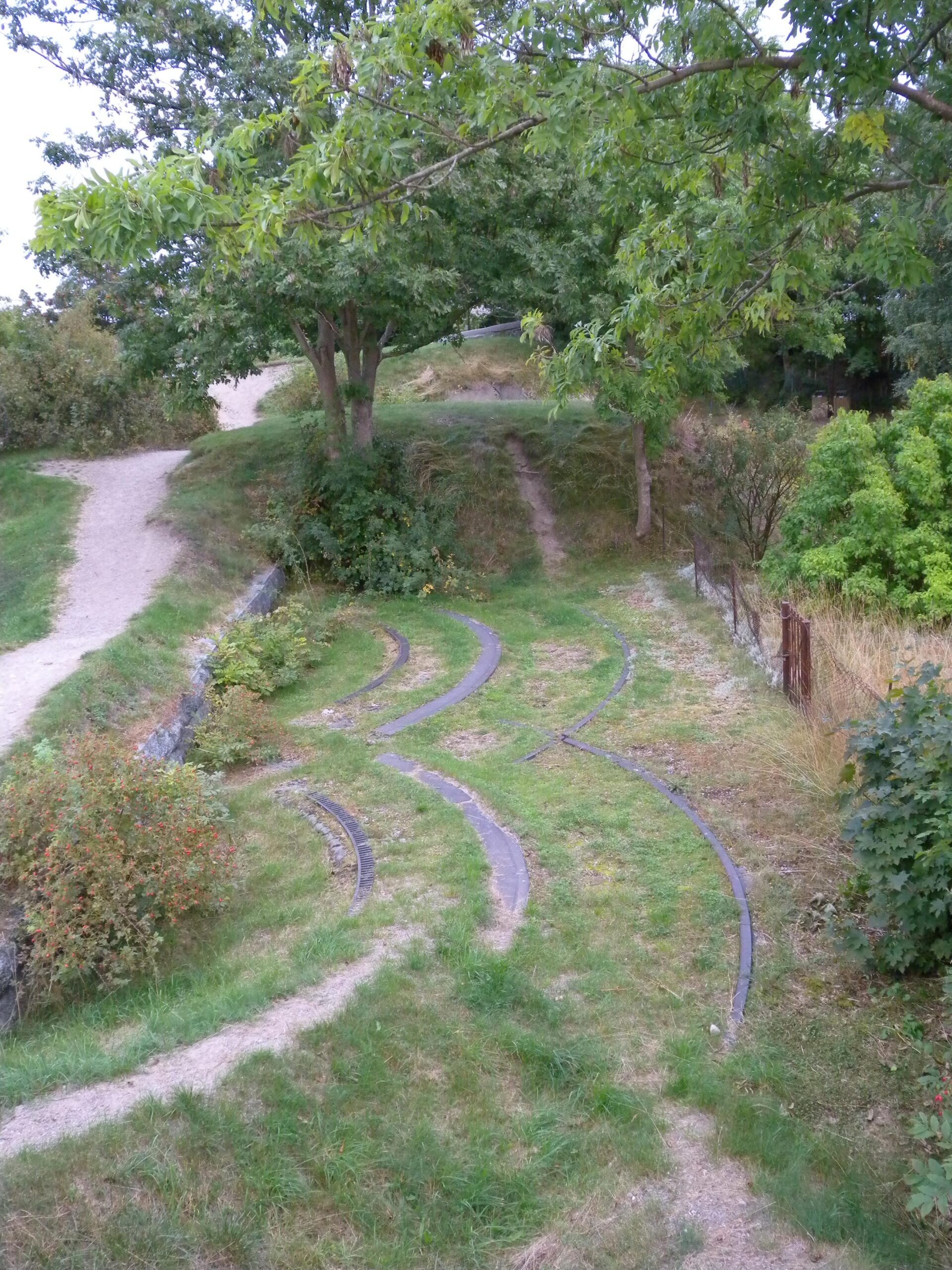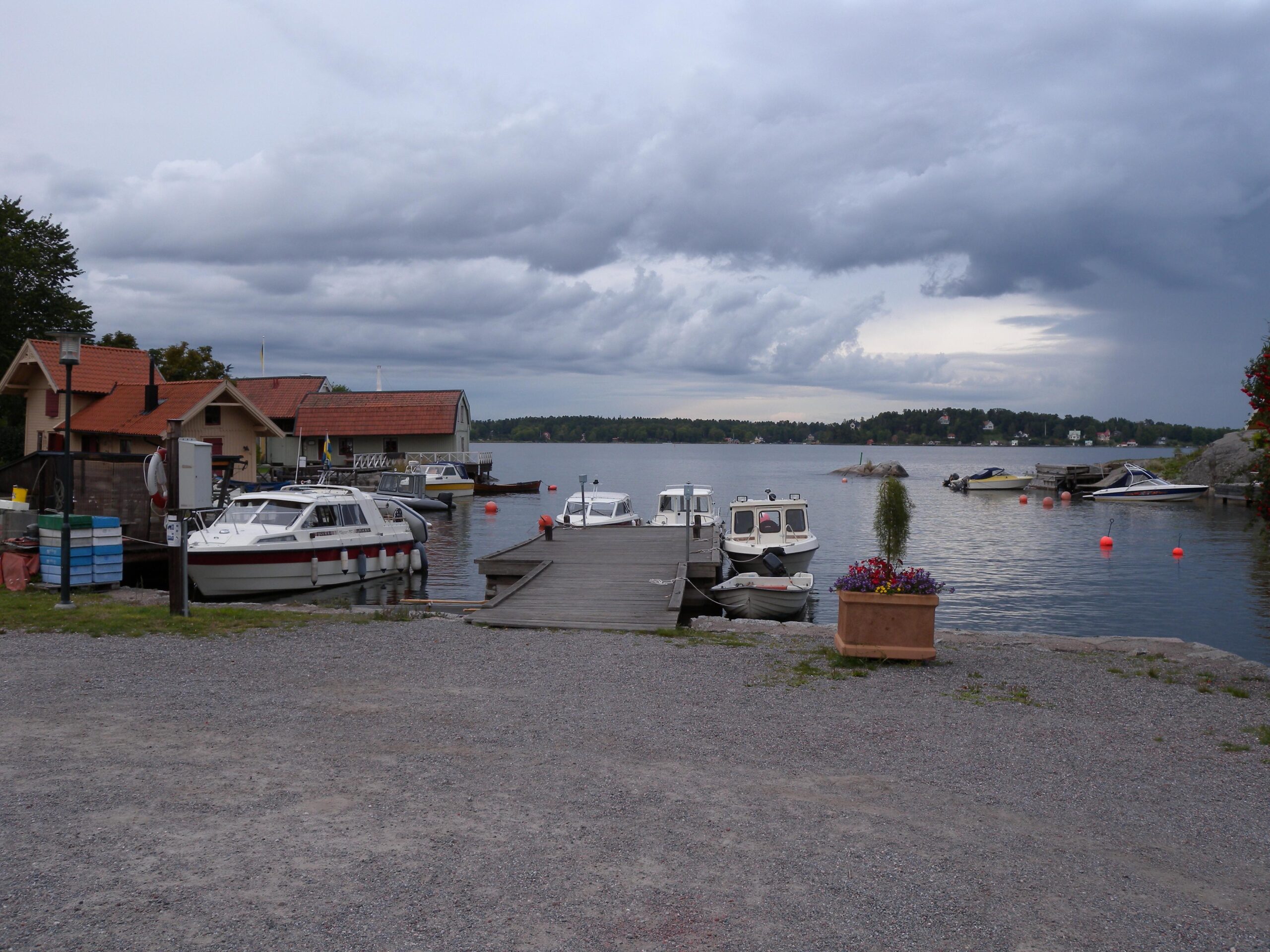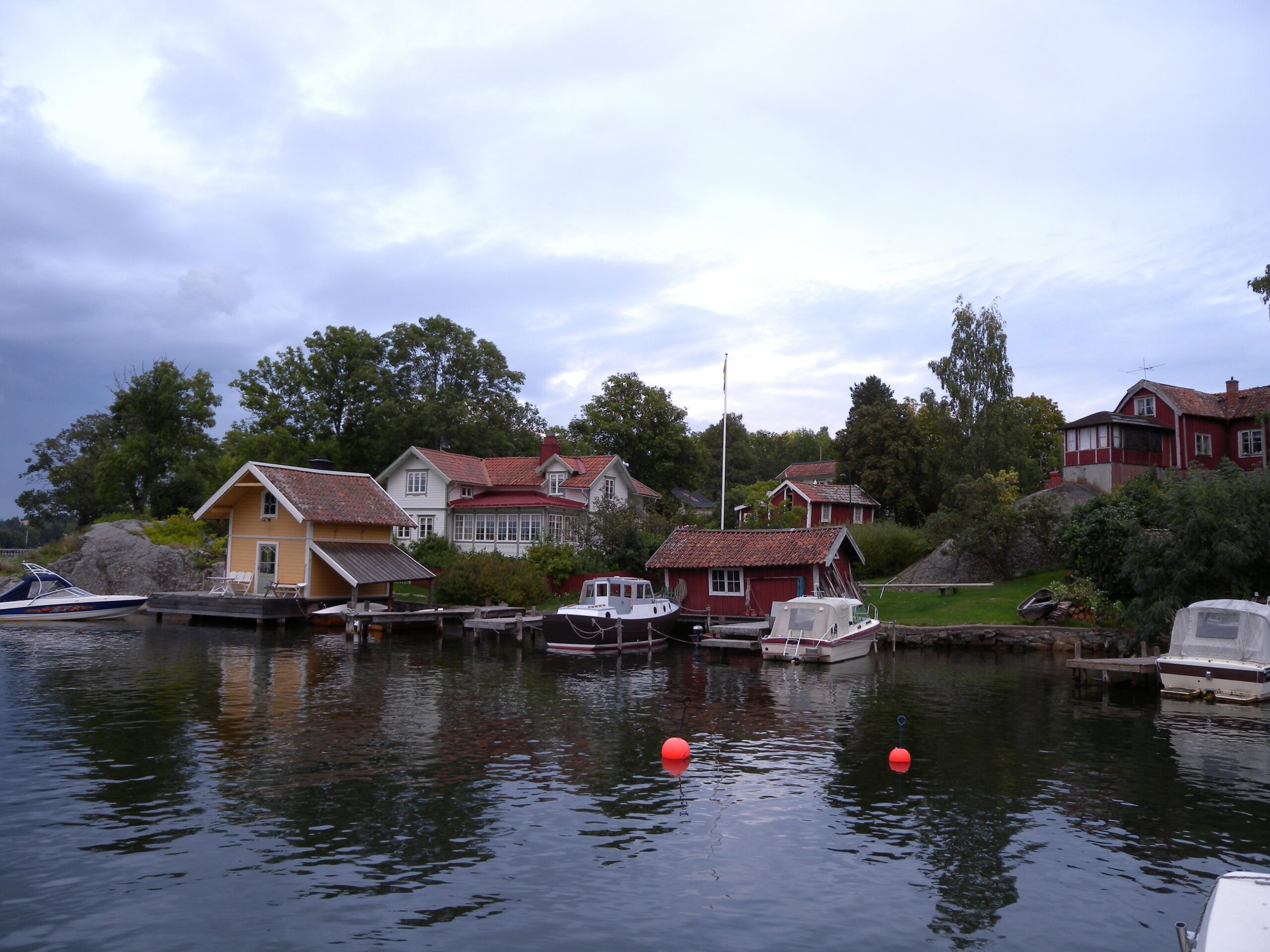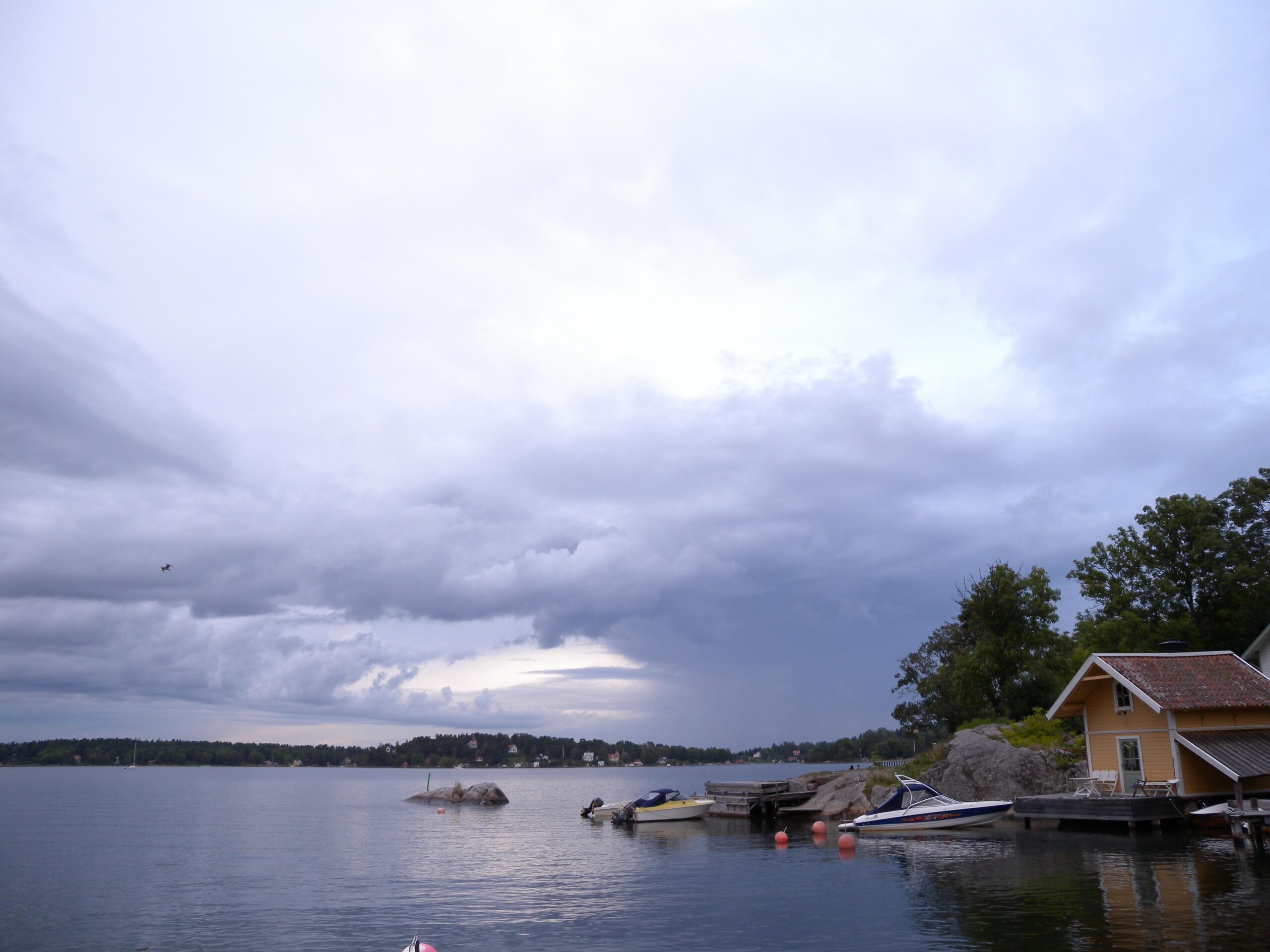
I went to Trosa before, but it seems I didn’t find the centre. Its a pretty port town with a river leading to the sea.


I went to Trosa before, but it seems I didn’t find the centre. Its a pretty port town with a river leading to the sea.


[Audiobook]
A field guide to Getting Lost by Rebecca Solnit, read by Rebecca herself. She has a lovely voice, calm, melancholy, soporific, and absolutely dreadful to listen to while driving. I have listened again because her words got lost in the sound of the diesel engine first time around, it will get another listen too, so much is there to be absorbed.
The book explores some of the many ways of getting lost. The personal, where you don’t know where you are. The objective, where you don’t know where something is. The psychological, where you don’t know what you are thinking. The social, where you don’t know where your people are.

This is really a loose collection of essays rather than a coherent book, they are threaded through with a theme of loss, with many memories and observations about her life growing up. She shares some deeply personal moments and the feelings of loss that went with those moments, as well as more general observations about how other people (indeed peoples) deal with disappearances.
There are many topics for reflection for me here, different ways of understanding things that have happened around me, a new lens through which to view my journey through life.
I no longer have time for being lost – some of the happiest moments have been those of being lost and unexpectedly arriving back to the familiar, a common experience during my time in Tokyo, a period during which I found myself lost, in so many ways.
As a book it says nothing, but it says everything. Getting lost in getting lost, this is the perfect companion.
We returned to Tullgarns Slott for a proper look around.


Back to Nyköping again.


Beyond Låssa Church lies the remains of the ancient settlement of Rösaring – I originally found it when I was visiting Låssa but had to return the hire car so didn’t have time to explore properly, so had been meaning to return.
“The Rösaring area houses many unusual remains from the Bronze Age and the Viking Age. For instance, you can see several grave fields from the Iron Age, a stone labyrinth and a processional or ceremonial road.
The location of the site high up on a ridge, with a good view in several directions, suggests that it was important and central to the district.”


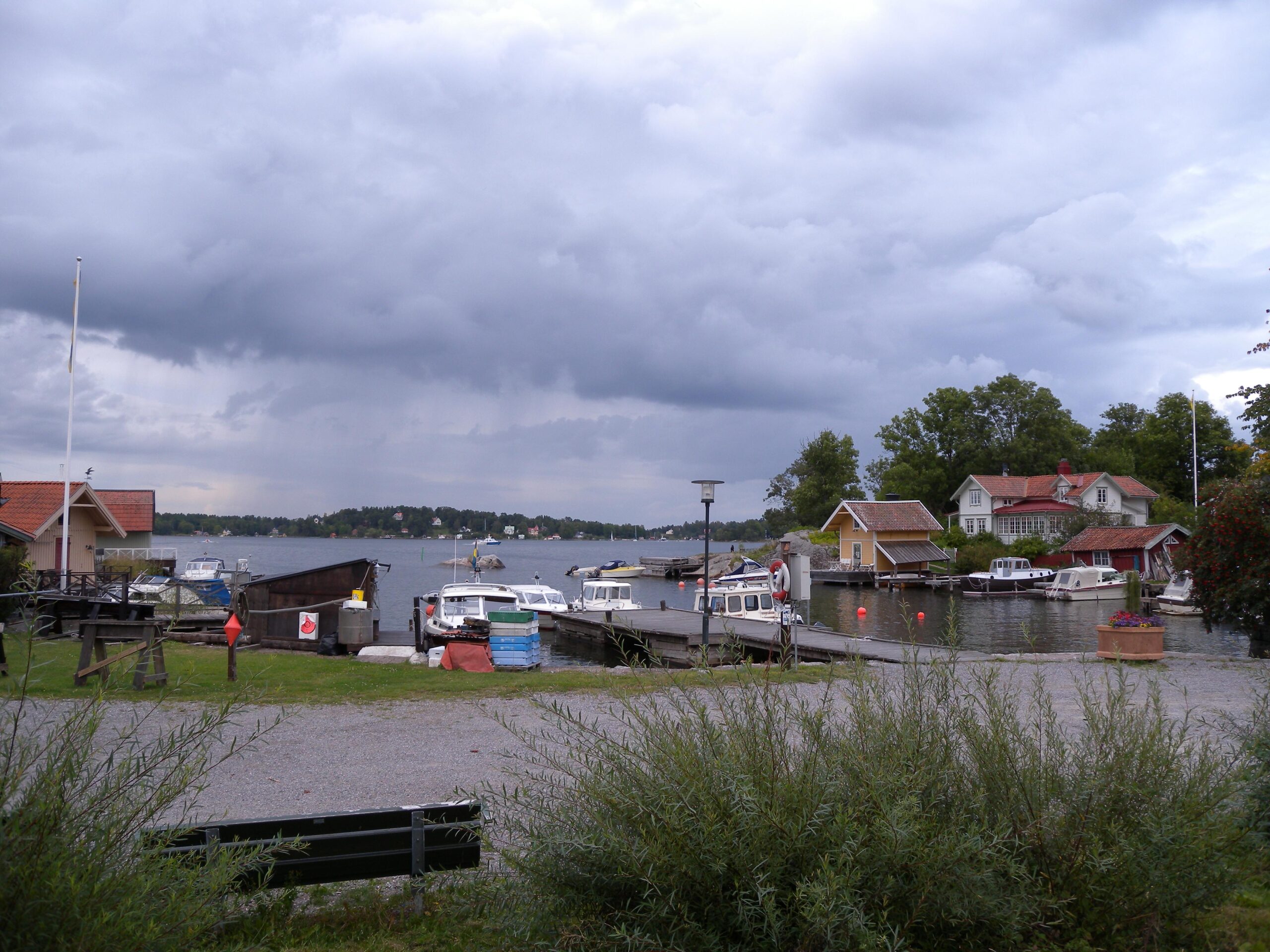
We went to Steninge Slott just as a thunderstorm was coming.


There are a number of runestones at Skansen.


While the people were all off enjoying Midsummer we snuck off to see the animals. Its quite unusual to get to see them at dusk like that (midnight on midsummer isn’t dark in Stockholm).


[Audiobook]
A history of the Amish by Steven M Nolt (available from archive.org)
A colleague told me about an Amish supermarket, which didn’t fit with my understanding of their culture. So wanting to find out some more I listened to this book. It contains a detailed history of the origins and migration of the Amish people. They are anabaptists, who believe strongly that baptism only counts if it is done by choice, so children do not formally join the church until they have chosen to.
From their split with the Mennonites in Switzerland through their punishment and exile from the Swiss hills to settle in southern Germany and the Netherlands, this book describes some of their significant historical moments.
Leaving their European brethren behind they emigrated to north America, where they settled along the east coast and inland somewhat to the mid-West, hoping to start a new, more pure, life.
The nature of their community, non-hierarchical, like terrorist cells, is loosely connected without a single leader, each locality having some elders and their own rules. Their meetings largely happening in the houses of members rather than in dedicated buildings – often followed by sharing food.
More recently, as technology has gripped the rest of the world, they have reconciled with the Mennonites, with whose beliefs they align better. There are still factions within these groups, old-order and new-order among others.
Their rejection of luxury does not imply a rejection of technology wholesale, but it does bring a considered approach and much of the modern world is seen as decadently luxurious.
As a people, they seem like good people, bamboozled by the modern world they may be, but that is not from anger or fear. I feel they embody some of the best of human spirit and have a deep respect for them and their way of life. It is not a way of life for me, I am a technologist, of sorts, and doubt that my mind would thrive in their world. I wish they could share their love with a world full of hate and find ears ready to listen to their message.
The book gives a lot of good details, as far as they are recorded, of the origins and spread of the Amish way of life, it is more than a faith. Given the dispersed nature of the community, it must have been difficult to gather this information, there is no one library to which to turn, you cannot go to Rome and know it all.
Many of the Skansen buildings were open for midsummer.